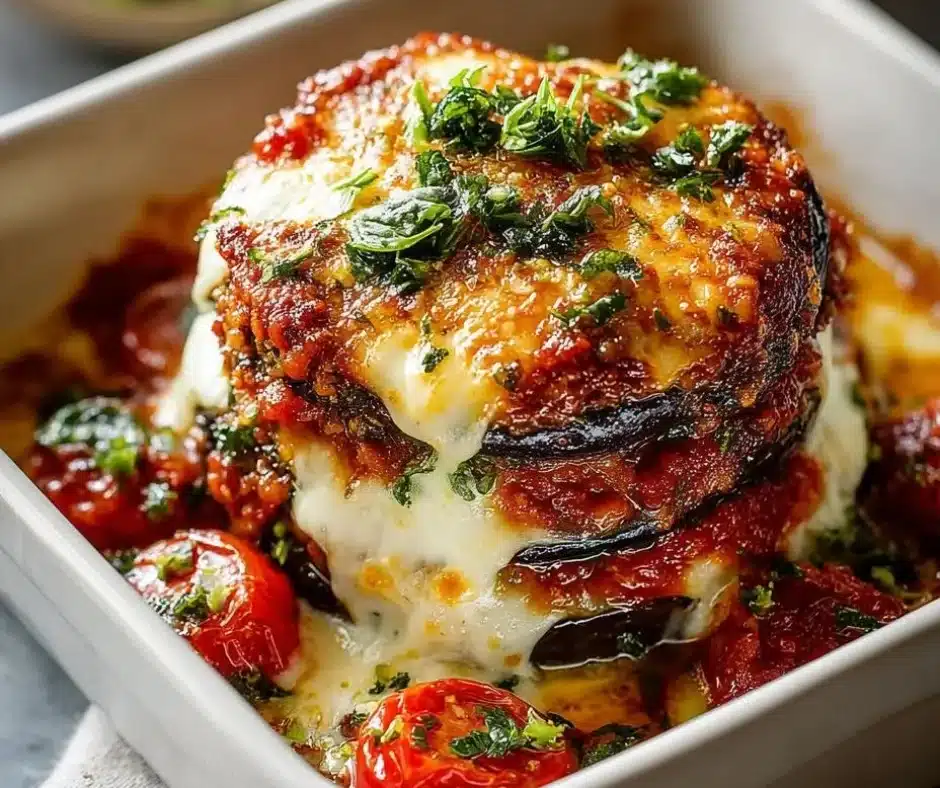
Traditional Eggplant Parmesan guide
Eggplant Parmesan is one of those dishes that rewards patience: a little prep, attentive technique, and a confident oven yield layers of melting cheese, concentrated tomato, and tender, savory eggplant. This Traditional Eggplant Parmesan guide walks you from the dish’s roots to advanced techniques, so you can cook it consistently and creatively at home.
Read on and you’ll gain a clear understanding of why each step matters, simple ways to get great results as a beginner, and expert adjustments to elevate texture and flavor. If you crave a different angle, consider a baked variation with a feta twist to play with textures and salt balance: baked variation with a feta twist.
Background & Context
Eggplant Parmesan (Melanzane alla Parmigiana) sits at the intersection of Italian homestyle cooking and regional identity. Its exact roots are debated, but the dish crystallized in Southern Italy where eggplant, tomatoes, and hard cheeses were abundant.
Historically, eggplant was introduced to Europe through Arab influence and gradually became part of Mediterranean kitchens. The phrase "Classic Eggplant Parmesan history" captures how the dish evolved from modest home kitchens to restaurant menus, with variations reflecting local ingredients and tastes.
Culturally, this recipe is a comfort food and a communal dish. It’s often made in larger batches for family meals and celebrations. The layering technique—eggplant, sauce, cheese—fosters shared work in the kitchen and a satisfying payoff at the table. For a creative spin that turns eggplant into roll-ups, check out an approach that stuffs and bakes the slices for different presentation and texture: cheesy spinach-ricotta eggplant roll-ups.
Personal note: the most memorable slices I’ve tasted were not the prettiest—they were simply treated respectfully: salted lightly, cooked patiently, and combined with a bright, well-balanced sauce.
Why This Approach Works
This guide emphasizes technique and reasoning over rigid rules. Each step is designed to solve a specific problem people commonly face when making Traditional Eggplant Parmesan.
- Balance of moisture and flavor: Eggplant can be watery and bland. Controlling moisture concentrates flavor and helps achieve a pleasing texture.
- Layering for structure: Alternating sauce, cheese, and eggplant builds both flavor and a stable bake that slices cleanly.
- Heat management: Proper frying or roasting produces a caramelized exterior that adds complexity without turning the interior mushy.
These methods are accessible and adaptable. If you doubt whether frying is necessary, note that roasting or pan-searing offers a lighter alternative with fewer steps and similar flavor payoff. If you’re wary of a heavy dish, use lighter cheeses and increase tomato brightness to lift the profile.
Core Concepts Explained
Make no mistake: great Eggplant Parmesan is built on a handful of core concepts.
- Eggplant selection and prep
- Choose medium-size, firm eggplants with smooth skin.
- Salt or brine to reduce bitterness and moisture—brief salting or a quick soak changes texture and prevents sogginess.
- Coating and crisping
- A simple dredge (flour, egg, breadcrumbs) creates a protective layer that crisps and seals.
- Alternatives: use panko for extra crunch, or semolina for a rustic texture.
- Sauce simplicity
- A bright tomato sauce (crushed tomatoes, garlic, olive oil, basil) supports the dish—don’t overcomplicate.
- Variations: add sautéed onion or a pinch of sugar for acidic tomatoes.
- Cheese and assembly
- Use a combination of grated Parmigiano-Reggiano for savory umami and low-moisture mozzarella for melty texture.
- Convert to a lighter finish by using ricotta mixed with egg and herbs as an interlayer.
- Control moisture during bake
- Prevent a watery bake by pre-cooking eggplant slices and using a sauce with concentrated flavor.
If you’re interested in faster crusting techniques used in other dishes, the same principles apply to proteins like chicken; a look at Parmesan-crusted chicken methods can be instructive for coating choices: Parmesan-crusted chicken techniques.
Tools, Resources, or Foundations
Essentials:
- Chef’s knife and cutting board
- Large skillet (cast iron or stainless) or baking sheet for roasting
- Shallow bowls for dredging
- Baking dish (9×13 or similar for family portions)
- Thermometer (optional, for oil temp)
Optional enhancements:
- Mandoline for uniform slices
- Stand mixer with paddle (for large batches of breadcrumbs or cheese blends)
- Oven-safe cast-iron pan to go from stovetop to oven
Budget-friendly alternatives:
- Use a sheet pan and the oven to roast slices instead of frying.
- Substitute store-bought marinara for homemade sauce when time is short.
For slow, comforting sauces or to repurpose flavors, consider slow-cooking ideas that borrow Parmigiana profiles; a slow-cooker chicken parmesan soup offers a different but complementary approach to the same flavor family: crockpot chicken parmesan soup.
Step-by-Step Process
Below is a logical sequence that takes you through preparation, cooking, and assembly. Time estimates assume active cooking time plus standing/roast time.
Total time: 90–120 minutes (including salting, frying/roasting, baking).
Ingredients and timing overview (10 minutes)
- Prepare tomatoes or open your jar, grate cheeses, slice eggplant, and set up dredging stations.
Prepare eggplant (20–40 minutes)
- H3: Salting vs quick brine
- Light salting: Lay slices, sprinkle salt, rest 20–30 minutes, pat dry.
- Quick brine: 10 minutes in 5% salt-water, then rinse and dry; useful when salting too long could over-salt.
- Why: reduces bitterness and surface moisture that makes slices soggy.
- Common mistake: leaving too much salt. Solution: rinse or wipe slices and pat fully dry.
- H3: Salting vs quick brine
Crisp the eggplant (20–30 minutes)
- H3: Frying method
- Warm oil to 350°F (175°C). Dredge slices in flour → egg → breadcrumbs and fry 2–3 minutes per side until golden.
- Drain on wire rack rather than paper to keep crust crisp.
- H3: Roasting method (healthier)
- Brush slices with oil, roast at 425°F (220°C) for 15–20 minutes, flipping once, until edges brown.
- Roast is less rich but still yields good texture if slices are thin and evenly oiled.
- Pro tip: avoid overcrowding the pan; it steam-cooks rather than browns.
- H3: Frying method
Make the sauce (15–25 minutes)
- Sauté garlic (and onion if using) in olive oil briefly. Add crushed tomatoes, simmer 15–20 minutes to concentrate flavors.
- Season with salt, pepper, and torn basil near the end.
- Common mistake: using watery store-bought tomatoes without reduction. Solution: simmer to desirable consistency.
Assemble and bake (25–35 minutes)
- Layer sauce, eggplant, grated Parm, and mozzarella. Repeat to 3–4 layers, finishing with cheese on top.
- Bake at 375°F (190°C) for 25–35 minutes until cheese is bubbling and golden.
- Rest 10–15 minutes before slicing to allow layers to set.
Common mistakes and fixes:
- Soggy final bake: Pre-cook eggplant thoroughly and keep sauce thick.
- Cheese separation: Use shredded, not sliced, low-moisture mozzarella; avoid ultra-high heat.
- Burned breadcrumbs: Tent the dish with foil if top browns too quickly.
Expert Techniques & Insights
- Par-cook for precision: Partially cook eggplant in the skillet, then finish in the oven. This ensures control over color and doneness.
- Use anti-moisture separators: Place a thin layer of cheesecloth or paper between stacked fried slices when prepping to prevent sweating.
- Flavor layering matters: Salt and pepper each layer lightly; a single over-salted layer can spoil balance.
- Cheese ratios: Aim for ~20–25% Parmigiano-Reggiano by weight of total cheese to provide umami without overpowering the melty texture.
- Temperature interplay: Allow the assembled dish to rest out of the oven for 10–15 minutes, which firms the layers and improves slicing.
Lessons from professional kitchens:
- Even high-end restaurants treat eggplant with respect—consistent slice thickness and timing are more impactful than fancy ingredients.
- Small chemical changes (e.g., acid level in tomatoes) change perception of richness; brightening sauce with lemon zest or basil can make a heavy dish feel fresher.
Variations & Adaptations
Variations keep this classic relevant and accessible across diets or time constraints.
- Vegetarian but lighter: Replace some mozzarella with ricotta mixed with lemon zest and herbs.
- Gluten-free option: Use rice flour or certified gluten-free breadcrumbs; roasting works even better to minimize coating reliance.
- Low-oil alternative: Oven-roast slices and brush lightly with oil; use a nonstick sheet and keep slices uniform.
- Make-ahead and meal prep: Assemble casserole, cool fully, and refrigerate up to 48 hours before baking; or freeze pre-baked portions for 2–3 months.
- Cross-dish creativity: For a cozy twist, incorporate Parmigiana flavors into soups or stews—similar ideas appear in slow-cooker adaptations that blend tomato, cheese, and protein in comforting ways: slow-cooker adaptation with parmesan notes.
Skill-level adaptations:
- Beginner: Follow a simplified recipe with oven-roasted slices and store-bought marinara.
- Intermediate: Fry slices and build classic layers with homemade sauce.
- Advanced: Blanch eggplant lightly, finish in sauté, and use multiple cheeses with precise ratios.
Analysis & Benefits Breakdown
This section summarizes trade-offs and strengths to help you choose an approach.
| Aspect | Frying method | Roasting method | No-coat (sweated) |
|—|—:|—:|—:|
| Texture | Crispy exterior, rich | Lightly caramelized, less oily | Tender, softer layers |
| Time | Longer prep | Faster for hands-off | Quick but can be soggy |
| Calories | Higher | Moderate | Lowest |
| Ease | Moderate skill for consistent results | Easy, forgiving | Easiest but requires sauce control |
| Best for | Traditional mouthfeel | Healthier everyday | Quick weeknight versions |
Strengths:
- Versatility in technique allows adaptation to dietary needs.
- Layering creates a visually pleasing and satisfying slice.
Limitations:
- Requires time and attention—shortcuts change texture.
- Temperature and moisture control are essential to avoid a watery bake.
Considerations:
- If you plan to serve many guests, roasted slices and a thicker sauce scale better.
- For serve-as-you-go family meals, build individual portions in ramekins to simplify reheating.
Preparation, Retention & Long-Term Use
Prepare effectively:
- Do mise en place: slice, salt, and set up dredging stations before heating oil.
- Use a sheet tray for staged slices to move quickly during frying or roasting.
Retention and reuse:
- Refrigerate leftovers in an airtight container for up to 4 days.
- Reheat gently in a 350°F (175°C) oven until warmed through; avoid microwaving if you want to preserve texture.
- Freeze single portions individually wrapped; thaw overnight in fridge before reheating.
Longevity of skills:
- Mastering eggplant handling (salting, drying, cooking) translates to other Mediterranean dishes.
- The layering and sauce principles are reusable across casseroles and baked pastas.
Troubleshooting & Common Problems
Problem → Cause → Solution
- Soggy casserole → Eggplant retained too much moisture → Salt longer or roast slices to drive off water before assembly.
- Overly salty dish → Too much salt in salting step or in canned tomatoes → Rinse salted slices or use low-sodium tomatoes; taste sauce and adjust gradually.
- Burned top before middle is heated → Oven too hot or dish shallow with too much cheese on top → Reduce top heat, tent with foil, or lower oven rack.
- Cheese separates or grows oily → Cheese is too old or too high in fat → Use low-moisture mozzarella and shred from block rather than pre-shredded mixes.
- Bland flavor → Sauce is under-seasoned or eggplant too thick → Simmer sauce longer; slice eggplant thin to concentrate savory notes.
Reassurance: most issues are fixable—adjust temperature, moisture control, or salt balance and try again with small tweaks.
FAQ
Q: Do I need to salt eggplant before cooking?
A: No, but brief salting or a quick brine helps remove excess moisture and potential bitterness. If you prefer not to salt, roast slices to concentrate flavors.
Q: Can I make Eggplant Parmesan gluten-free?
A: Yes. Use gluten-free flour and breadcrumbs or substitute ground nuts or polenta for the coating. Roasting works very well with gluten-free needs.
Q: What cheeses work best?
A: A mix of Parmigiano-Reggiano (for flavor) and low-moisture mozzarella (for melt) is classic. Add a spoonful of ricotta for creaminess if you like.
Q: How do I keep layers from falling apart when serving?
A: Let the baked dish rest 10–15 minutes before slicing. This allows the sauce and cheese to set, producing cleaner slices.
Q: Can this be made ahead and frozen?
A: Yes. Assemble and freeze unbaked or pre-bake and freeze portions. Thaw in refrigerator overnight before baking or reheating.
Q: Can I make a lighter version that still tastes classic?
A: Roast slices instead of frying, use reduced-fat cheeses sparingly, and concentrate a bright tomato sauce to keep the flavor robust.
Q: How thin should I slice the eggplant?
A: Aim for 1/4-inch (6 mm) slices. Thin enough to cook through without turning mushy; thick slices may remain underdone in the center.
Q: Is there a vegetarian protein version?
A: Eggplant Parmesan is vegetarian by default. For added protein, serve with a side of legumes or toss in some cooked white beans into the sauce.
Related Topics & Next Steps
If you enjoyed this guide, explore complementary skills and recipes:
- Mastering tomato sauce techniques to improve any layered bake.
- Learning breading and frying fundamentals from other dishes to diversify texture control.
- Trying related casseroles and roll-ups to apply the same layered-thinking to new forms.
For a different spin on the classic Parmigiana flavor profile, you might experiment with stuffed roll-ups or protein-based adaptations that carry the same tomato-cheese dynamics.
Quick Reference Summary
- Key goals: control moisture, get a crisp surface, build balanced layers.
- Essentials: medium eggplant, bright tomato sauce, Parm + mozzarella, proper resting.
- Time: ~90–120 minutes total; prepare in steps.
- Quick wins: roast instead of fry; use thick sauce; rest before slicing.
Bullet checklist:
- Slice uniformly (1/4-inch)
- Salt or brine briefly and dry
- Choose frying or roasting based on desired richness
- Use a bright, reduced tomato sauce
- Layer with Parm and low-moisture mozzarella
- Rest 10–15 minutes after baking
Conclusion & Engagement
You now have a practical, stepwise reference to approach Traditional Eggplant Parmesan with confidence—from understanding the Authentic Eggplant Parmesan origin and Classic Eggplant Parmesan history to hands-on techniques and troubleshooting. If you want to see a classic recipe presentation with step-by-step photos, this Classic Eggplant Parmesan recipe at A Simple Palate offers a helpful visual companion: Classic Eggplant Parmesan recipe at A Simple Palate. For a fresh, vegetable-forward take with clear instructions, consider this Eggplant Parmesan recipe at Love and Lemons as another reliable resource: Eggplant Parmesan recipe at Love and Lemons.
Try one clear technique change per bake (roast instead of fry, or tweak the cheese ratio) and observe the result. Share your outcomes, questions, or favorite twists—I’m here to help you refine technique and adapt this classic to your kitchen. If you’d like, I can convert this guide into a reusable system prompt, adapt it into a step-by-step printable recipe card, or produce a troubleshooting checklist tailored to your equipment. Which would be most helpful next?
Traditional Eggplant Parmesan
- Total Time: 90 minutes
- Yield: 6 servings 1x
- Diet: Vegetarian
Description
A classic Italian dish featuring layers of tender eggplant, rich tomato sauce, and creamy cheeses baked to perfection.
Ingredients
- 2 medium eggplants
- Salt
- 1 cup all-purpose flour
- 2 large eggs
- 2 cups breadcrumbs (or panko for extra crunch)
- 3 cups crushed tomatoes
- 2 cloves garlic, minced
- 2 tablespoons olive oil
- 1 teaspoon dried basil
- Salt and pepper to taste
- 1 cup grated Parmigiano-Reggiano
- 2 cups low-moisture mozzarella, shredded
- Fresh basil for garnish (optional)
Instructions
- Slice the eggplants into 1/4-inch thick rounds and sprinkle with salt. Let sit for 20-30 minutes to reduce moisture, then pat dry.
- Prepare a dredging station with flour, beaten eggs, and breadcrumbs in separate shallow bowls.
- Heat oil in a skillet to 350°F (175°C) and dredge eggplant slices in flour, dip in egg, then coat with breadcrumbs.
- Fry the eggplant slices for 2-3 minutes on each side until golden brown. Drain on a wire rack.
- In a saucepan, sauté minced garlic in olive oil, then add crushed tomatoes, basil, salt, and pepper. Simmer for 15-20 minutes.
- Preheat the oven to 375°F (190°C). In a baking dish, layer sauce, eggplant, Parmigiano-Reggiano, and mozzarella. Repeat layers, finishing with a layer of cheese on top.
- Bake for 25-35 minutes until cheese is bubbling and golden. Let rest for 10-15 minutes before slicing.
Notes
For a healthier option, consider roasting the eggplant slices instead of frying. Allow the dish to rest after baking for cleaner slices.
- Prep Time: 30 minutes
- Cook Time: 60 minutes
- Category: Main Course
- Method: Baking
- Cuisine: Italian
Nutrition
- Serving Size: 1 serving
- Calories: 400
- Sugar: 6g
- Sodium: 600mg
- Fat: 15g
- Saturated Fat: 8g
- Unsaturated Fat: 5g
- Trans Fat: 0g
- Carbohydrates: 50g
- Fiber: 4g
- Protein: 20g
- Cholesterol: 150mg