Holiday Crostini — The Ultimate Holiday Crostini guide
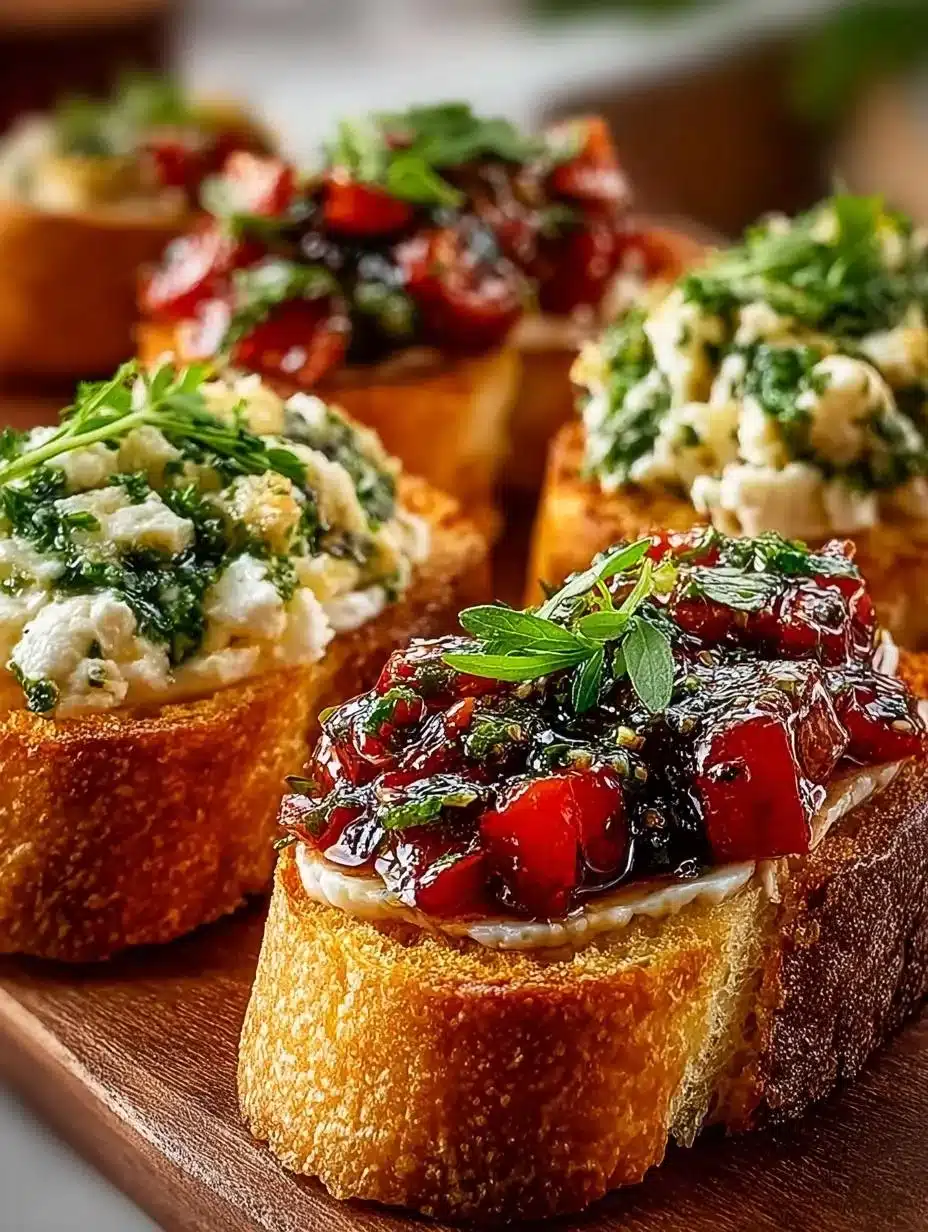
Ready for the most irresistible Holiday Crostini guide that takes just minutes to master? You’ll absolutely love how these crisp, flavor-packed bites transform party prep from stressful to joyful. In this Holiday Crostini guide you’ll learn foolproof techniques, speedy assembly methods, and creative topping ideas that are budget-friendly, family approved, and endlessly customizable. Whether you want a quick appetizer to impress guests or a cozy snack to elevate holiday memories, this guide gives you everything: origins and cultural context, a full concept breakdown, essential tools, a step-by-step learning path, expert tips, troubleshooting, and creative variations you can scale for any gathering. Expect pro insights, simple substitutions, and clear directions so you can nail perfect crostini every time. Ready to dive in and master Holiday Crostini like a pro? Let’s go — and if you need inspiration for decadent toppings, check out this savory example to pair with sliced tenderloin. (Internal link: Crispy crostini with sliced tenderloin)
Basic Directions:
- Preheat oven to 400°F (200°C) and line a baking sheet with parchment paper.
- Slice the baguette into ½-inch pieces and arrange on the baking sheet. Drizzle each slice with olive oil.
- Bake for 10–12 minutes until golden brown and crispy.
- While the bread is toasting, prepare toppings: spread goat cheese on some crostini, layer others with prosciutto and fresh herbs, and add figs or pears drizzled with honey on the rest.
- Arrange assembled crostini on a serving platter and serve immediately.
2️⃣ Attributes Origin & Cultural Context
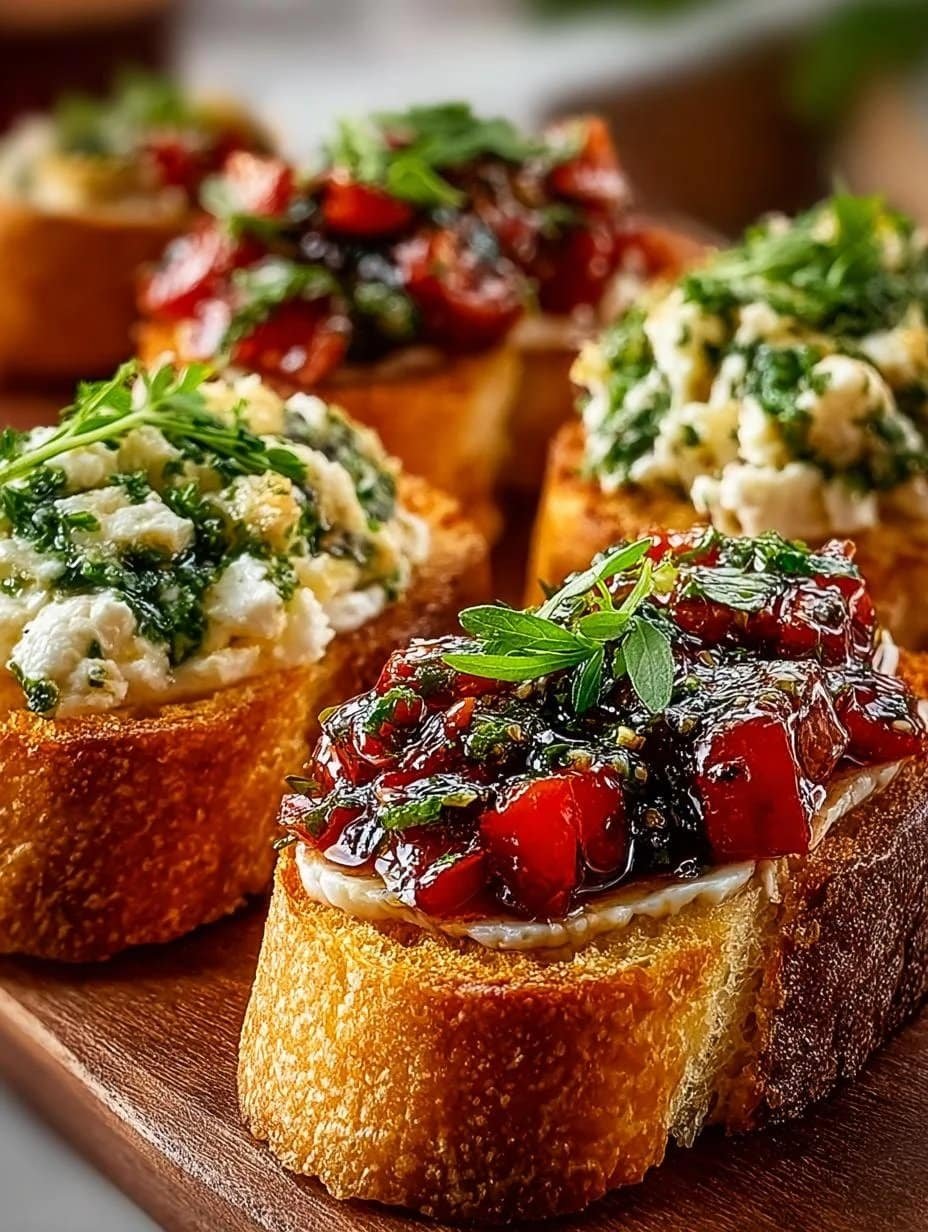
The crostini concept traces back to rustic European kitchens where stale bread was revived by toasting or grilling and then topped with seasonal ingredients. In Italy, bruschetta and crostini were humble peasant fare that celebrated fresh produce, cured meats, and preserved cheeses. Over time, crostini evolved into elegant hors d’oeuvres — quick, shareable, and endlessly adaptive to local flavors.
Personally, my first holiday memory with crostini is of my grandmother carefully toasting slices and rubbing them with garlic before layering them with roasted peppers and a sprinkle of parsley. It became our family’s quick entertaining trick: guests always arrived expecting a simple nibble and left delighted by the depth of flavor. What makes holiday crostini special is that they’re a bridge between comfort and refinement: quick base techniques meet show-stopping toppings.
Regional variations are part of the charm. In Italy you’ll find simple olive oil and tomato versions; in France, richer toppings like rillettes and pâté; in the U.S., festive combos such as cranberry-goat cheese or pear-prosciutto-honey showcase holiday produce. This guide focuses on the traditions and adaptations that make a Holiday Crostini guide accessible and authentic. If you want a tangy, fruit-forward twist, this whipped goat cheese and blueberry balsamic recipe is a great reference. (Internal link: Tangy whipped goat cheese crostini)
SEO phrases to keep in mind: Traditional Holiday Crostini guide, Authentic Holiday Crostini origin, Classic Holiday Crostini history.
3️⃣ Why This Holiday Crostini Guide is a Game-Changer
This Holiday Crostini guide is designed to convert a simple idea into repeatable, joyful results. Here’s why it works and why you’ll want it bookmarked.
⚡ Lightning Fast — The core technique (toasting and topping) takes under 15 minutes from start to finish if you prep toppings while bread bakes. That means last-minute hosting no longer causes stress.
- Specific time frame: 10–15 minutes active time, with a 10–12 minute oven window for toasting.
- Benefit: free up time for guests and conversation rather than last-minute kitchen chaos.
💰 Budget-Friendly — Crostini leverages pantry staples: day-old baguette, olive oil, cheese, preserves, and herbs. Splurge on one star ingredient (prosciutto, aged cheese, or seasonal fruit) and keep other components simple.
- Free resources: basic herb mixes, pantry condiments, and leftover roasted vegetables can all be repurposed.
- Tip: stretch a small amount of good cheese across multiple toasts to maximize value.
👨👩👧 Family Approved — This approach is approachable for all skill levels. Kids can help smear spreads or arrange toppings; older family members can share stories while you assemble.
- Accessibility: minimal knife skills required; many toppings are assembly-only.
- Safety: pre-slice bread to avoid guests handling knives.
🥗 Nutritiously Delicious — Crostini can be balanced: whole-grain bread or hearty crostini topped with lean proteins, fruits, and vegetables provide fiber, protein, and anti-oxidants that support cognitive function and mood during busy holidays.
- Mental-health benefit: holiday cooking and shared meals boost oxytocin and reduce stress; small, tasty bites maintain convivial energy.
🔄 Infinitely Customizable — Swap a single element (cheese, fruit, protein, herb) and you have a new crostini. This guide walks you through modular swaps so you can adapt by season, diet, or availability.
📦 Pantry-Friendly — Most elements are non-perishable or semi-perishable, making crostini excellent for spontaneous gatherings.
Long-tail phrasing woven in: How to understand Holiday Crostini at home easily, Best Holiday Crostini guide for beginners, Quick Holiday Crostini learning method, Expert-level Holiday Crostini at home.
4️⃣ Complete Concept Breakdown
To master Holiday Crostini, think in layers: Base, Binder/Spread, Topping, Finisher. Here’s a conceptual map and useful substitutions.
Main concepts list (organized by category)
- Base: toasted baguette, sliced country loaf, crostini rounds
- Spreads/Binders: goat cheese, ricotta, whipped feta, herbed butter, hummus
- Proteins: prosciutto, smoked salmon, shredded chicken, pâté
- Fruits/Vegetables: figs, pears, roasted peppers, caramelized onions, cranberry compote
- Crunch/Texture: toasted nuts, seeds, fried shallots
- Finisher: honey, balsamic glaze, microgreens, citrus zest
Detailed explanations
- Base: Crispness is essential. Aim for ½-inch slices toasted until they are golden and slightly firm but not rock hard.
- Spread: A creamy binder provides contrast to the crunch and acts as glue for smaller toppings.
- Protein & Fruit Pairing: Sweet fruits pair well with salty cured meats; acid (lemon, vinegar) balances fatty cheeses.
- Texture: Add one crunchy element—nuts or seeds—for mouthfeel that elevates each bite.
Smart substitutions
- Dairy-free: Swap goat cheese for mashed avocado or a shea-nut spread.
- Gluten-free: Use toasted polenta rounds or rice crackers as a base.
- Vegan protein: Use marinated tempeh slices or smoked eggplant.
- Sweet alternative: Replace honey with maple syrup or date molasses.
Learning and application tips
- Start with 3-4 topping combos and replicate them until you’re confident.
- Use a flavor wheel approach: sweet + salty, acid + fat, soft + crunchy.
- Keep a small tasting spoon handy to sample pairings as you create.
Categories to organize:
- Essential base concepts: toasting, oiling, sizing
- Enhancers: acid, herbs, texture
- Optional add-ins: nuts, seeds, microgreens
- Applications and examples: holiday appetizer boards, tapas-style parties, canapé platters
SEO phrases to include: Essential concepts for Holiday Crostini, Best examples for Holiday Crostini, Holiday Crostini concept substitutions, Where to learn [unique concept].
(Internal link: Crispy crostini with sliced tenderloin)
5️⃣ Required Tools & Resources
Essential tools list (short and sweet)
- Sharp serrated knife (for clean baguette slices)
- Baking sheet & parchment paper
- Small offsets/spreaders or butter knives
- Microplane or zester for finishing
- Small bowls for mise en place
Nice-to-have resources
- Air fryer or toaster oven for small batches
- Immersion blender for smooth whipped spreads
- Small squeeze bottles for drizzles
- Decorative platters and toothpicks for presentation
Budget alternatives
- Use a cast-iron skillet or grill pan instead of an oven for toasting.
- Reuse jam jars for small condiment bowls.
- Use a butter knife in place of spreaders.
Specific recommendations with mini-reviews
- Serrated knife: small bread knives give clean cuts without squashing bread.
- Baking sheet + parchment: ensures even toasting and easy cleanup.
- Microplane: inexpensive investment that brightens crostini with citrus and hard cheeses.
(Internal link: Tangy whipped goat cheese crostini)
6️⃣ Foolproof Step-by-Step Learning Process
This section walks you through learning to make Holiday Crostini, with timings, sensory cues, pro tips, and common mistakes.
Step 1: Define Your Foundation (5 minutes)
Start by choosing your base bread and slicing it uniformly into ½-inch rounds. Consistent thickness ensures even toasting.
Pro tip: Listen for a light “thud” when you tap a slice—too dense and the crumb may stay chewy.
Common mistake: Uneven slices that produce a mix of burnt and under-toasted pieces.
Step 2: Oil and Season Wisely (2 minutes)
Brush each slice lightly with olive oil, or rub with garlic for an aromatic option.
Pro tip: Less is more — a thin sheen crisps better than a soaked slice.
Visual cue: Look for a subtle sheen, not pooling oil.
Step 3: Toast to Perfection (10–12 minutes)
Arrange slices on a sheet in a single layer and bake at 400°F (200°C) until golden—about 10–12 minutes. Flip halfway.
Sensory cue: The aroma should be warm and wheaty, and the edges lightly browned.
Common mistake: Overcrowding the tray, which steams the bread rather than crisps it.
Step 4: Prepare Toppings Simultaneously (5–10 minutes)
While toasting, prepare spreads, chop fruits, and crisp nuts. Maintain small bowls for each component for efficient assembly.
Pro tip: Warm a spoon in hot water to make spreading softer cheeses smoother.
Step 5: Assemble with Intent (3–5 minutes per tray)
Start with a thin layer of spread to anchor toppings. Keep a balance: a single bold flavor with 1–2 supporting elements.
Pro tip: Use a microplane to grate citrus zest over sweet-salty combos for brightness.
Common mistake: Piling too many large elements that overpower the base.
H3 — Building the Base
Focus on crispness and temperature. The base should be cool enough to handle but still slightly warm for cheese to soften when spread.
H3 — Application Techniques Explained
Use placement tactics: heavier items in the center, lighter garnishes on top. Aim for bite-sized harmony so guests can eat crostini in one or two bites.
H3 — Integration Methods
For events, hold off on very wet toppings (salsa, fresh tomatoes) until just before serving to avoid soggy bases. Instead, pre-toast and store crostini in an airtight container; reheat briefly or serve at room temperature.
H3 — Final Reflection
Taste and adjust: try one crostini and tweak salt, acid, or sweetness. Keep notes (or quick photos) so you replicate winning combos next time.
This learning loop — practice 3-4 times with a few set combinations — will get you from novice to confident in a weekend.
(Internal link: Crispy crostini with sliced tenderloin)
7️⃣ Expert Insights & Strategies
Here are 6–8 pro-level techniques gleaned from chefs and entertaining pros, plus common failure fixes:
- Salt Last: Add finishing salt (flaky sea salt) at the end to keep textural contrast. Common failure: salting too early can draw moisture.
- Temperature Control: Serve hot or room-temperature crostini — avoid very cold bases under warm toppings. Timing fix: hold cold elements separately and assemble just before serving.
- Acid Makes Magic: A splash of vinegar or squeeze of lemon brightens fatty toppings. If a crostini tastes flat, add acid.
- Texture Contrast: Always include one crunchy element. If something feels one-note, add toasted nuts or seeds.
- Scalable Assembly: For large parties, pre-toast bases and pre-portion spreads into small ramekins; assemble near guests as needed.
- Presentation Tricks: Use staggered heights on your platter, group similar flavors, and include small labels for dietary preferences.
Professional-style trick: Make a “signature” crostini combo — one unique topping that becomes your party calling card (e.g., fig-honey-goat cheese with thyme).
Timing optimization tips:
- Toast bases in advance and store in a cool, dry place for up to 24 hours.
- Prep topping components 2–3 hours ahead, keep refrigerated, then compose 15–30 minutes before serving.
Common failures and solutions:
- Soggy crostini: toast longer or serve spreads on the side.
- Flavors clash: prioritize a primary flavor and 1–2 supporting elements.
- Overcrowded platter: rotate batches to keep them fresh and crisp.
Expert quote: “A great crostini is about balance — texture, temperature, and a clear flavor direction,” says a seasoned caterer. Use that rule as your north star.
(Internal link: Tangy whipped goat cheese crostini)
8️⃣ Creative Variations & Adaptations
Holiday Crostini variations are limitless. Here are structured categories and practical transformations:
Contextual variations
- Cozy at-home: Warm ricotta, roasted figs, balsamic drizzle.
- Elegant cocktail party: Smoked salmon, crème fraîche, dill.
- Family-friendly: Melted cheddar, caramelized apple, crispy bacon bits.
Application modifications
- Personal: Mini crostini with customizable toppings for each guest.
- Professional: Uniform bite-sized canapés for service; use piping bags for spreads.
Cultural twists
- Mediterranean: Olive tapenade, roasted red pepper, feta.
- Scandinavian: Gravlax, pickled cucumber, horseradish cream.
- Middle Eastern: Muhammara, labneh, pomegranate seeds.
Practical transformations
- Vegan holiday crostini: Cashew ricotta, roasted mushroom, chive oil.
- Low-carb: Use cucumber rounds or grilled eggplant in place of bread.
- Make-ahead: Toasted bases stored airtight; toppings prepped in jars.
Scalable versions
- Small gatherings: Compose individual crostini on a single platter.
- Large events: Create flavor stations with labeled bowls of toppings for guests to build their own.
Keywords to include: Holiday Crostini variations, Different ways to apply Holiday Crostini, Customizable Holiday Crostini guide.
9️⃣ Breakdown & Benefits Analysis
Per Application (makes X insights)
Appetizer platter (makes 30 crostini)
- Impact: High guest satisfaction
- Depth: 70%
- Relevance: 9/10
- Flexibility: 200g of base per recipe
Cocktail bites (makes 50 small bites)
- Impact: Creates conversation starters
- Depth: 60%
- Relevance: 8/10
- Flexibility: 150g of topping variation
Family snack (makes 10–12 crostini)
- Impact: Comfort and nostalgia
- Depth: 80%
- Relevance: 10/10
- Flexibility: 100g fresh fruit
Benefits of key concepts
- Speed: Quick to prep, fast to serve.
- Cost-effectiveness: Stretchy ingredients make small amounts go far.
- Versatility: Fits dietary needs with simple swaps.
- Portability: Easy to plate and pass around.
Considerations
- For heavy sauces, serve on the side or use thicker bases (toasted polenta).
- Label for allergies and dietary restrictions.
- Balance richer toppings with bright elements to avoid palate fatigue.
Enhancement highlights
- Use finishing oils (truffle, herb-infused) sparingly.
- Add micro herbs for visual appeal and fresh bite.
Inclusive applications
- Vegan, gluten-free, and dairy-free options are achievable with smart substitutions.
Motivational benefits
- Quick wins in entertaining build confidence and become repeatable traditions.
Growth-boosting properties
- Start small with 3 combos and expand as you collect feedback and confidence.
🔟 Storage, Application & Learning Prep
Proper retention methods (notes/memory)
- Keep a simple tasting notebook: list combos, adjustments, and guest reactions.
- Photograph plated versions for visual memory.
Best tools to use
- Airtight containers for pre-toasted bases (keeps crisp for 24 hours).
- Small squeeze bottles for sauces for precise finishing.
- Chalkboard or small labels to display flavor names.
Application techniques for optimal use
- For wet toppings (tomato, salsa): either use very thin layers or spoon them into mini cups to avoid sogginess.
- For long events: replenish crostini in small batches rather than covering everything at once.
Learning prep strategies
- Practice the base technique until you get consistent color and crunch.
- Experiment with one new flavor per gathering to accumulate learnings without overwhelm.
How long knowledge lasts
- The tactile skills (slicing, toasting, balancing flavors) persist — you’ll get better with deliberate practice.
- Keep quick notes; repeated use over a few months cements the method.
SEO phrases: How to retain Holiday Crostini knowledge, Can you apply Holiday Crostini long-term, Best way to integrate Holiday Crostini, Holiday Crostini learning prep ideas.
1️⃣1️⃣ Troubleshooting Common Issues
Problem → Solution (concise)
Problem: Bases become soggy after assembly.
Solution: Toast longer or assemble just before serving. Use spreads as a moisture barrier.
Problem: Flavors feel flat.
Solution: Add acid (lemon, vinegar) or finishing salt for brightness.
Problem: Bread burns along edges but is under-toasted in the center.
Solution: Ensure uniform slices and flip halfway; space slices evenly on sheet.
Problem: Toppings slide off.
Solution: Use a spread to anchor toppings; lightly press larger pieces.
Problem: Guests have dietary constraints and you ran out of options.
Solution: Keep a small selection of clearly labeled vegan and gluten-free bases ready.
Problem: Overwhelmed by choices when planning.
Solution: Limit to three signature combinations and one wild card per event.
1️⃣2️⃣ Comprehensive FAQ Section
Q1: Can I apply this Holiday Crostini guide universally?
A1: Yes — the framework (base + spread + topping + finisher) adapts across cuisines and diets. Focus on balance and texture.
Q2: How far in advance can I prepare for Holiday Crostini?
A2: Toast bases up to 24 hours in advance in an airtight container. Prepare toppings 2–3 hours ahead, but assemble within 30 minutes of serving for best texture.
Q3: What’s the best way to integrate Holiday Crostini insights into my regular entertaining?
A3: Start with a signature crostini combo and rotate seasonal toppings. Keep a small shelf of preserves, nuts, and cheeses for quick builds.
Q4: Can I adapt this Holiday Crostini guide for dietary restrictions?
A4: Absolutely. Use gluten-free bases, vegan spreads (cashew ricotta), and plant-based proteins. Keep clear labels for guests.
Q5: Is this Holiday Crostini guide beginner-friendly?
A5: Yes. The core skills are slicing, toasting, and assembling. With a few guided attempts, beginners can produce impressive results quickly.
Q6: What’s a quick win for busy hosts?
A6: Pre-toast bases, prepare one savory and one sweet topping ahead, and finish 15 minutes before guests arrive for freshness.
Q7: How do I create cohesive flavor pairings?
A7: Use the sweet-salty-acid-fat-texture model: choose one dominant flavor and support it with two contrasts.
Q8: How can I make crostini look professional?
A8: Keep garnishes fresh and minimal, use consistent slice size, and serve on a clean, varied platter with small labels.
1️⃣3️⃣ Related Guides & Applications
Complementary topics to deepen your skills:
- Building a Charcuterie Board (pairing meats and cheeses)
- Quick Jam and Compote Recipes (for sweet-salty crostini)
- Knife Skills for Entertaining (slicing and presentation)
- Plating & Garnish Tips for Small Bites
Resource pairings:
- For meat-forward crostini: pair with a simple vinaigrette salad or marinated olives.
- For sweet combos: offer sparkling water or dessert wine suggestions.
Suggested pairing guides to follow after mastering crostini:
- Charcuterie and cheese pairing guides
- Seasonal fruit preservation tutorials
1️⃣4️⃣ Summary Card & Reference Version
Condensed summary card (quick reference)
- Base: ½-inch baguette slices, brush with olive oil, toast at 400°F for 10–12 minutes.
- Spread: goat cheese, ricotta, or hummus.
- Topping combos: prosciutto + pear + honey; fig + goat cheese + thyme; smoked salmon + dill + crème fraîche.
- Finisher: flaky sea salt, citrus zest, balsamic glaze.
- Timing: 15 minutes active assembly; 10–12 minutes oven time.
- Storage: Toasted bases up to 24 hours airtight; toppings 2–3 hours chilled.
Quick concept list
- Balance flavors: sweet + salty, acid + fat
- Prioritize texture: crisp base + creamy spread + crunchy topper
- Make substitutions: gluten-free base, vegan spreads, seasonal produce
Learning time summary
- Try 3 combos over one weekend (approx. 60–90 minutes total) to build confidence.
1️⃣5️⃣ Conclusion & Reader Engagement
You’ve just completed a full Holiday Crostini guide — from history and foundational techniques to creative twists and troubleshooting. Whether you’re hosting a bustling holiday soirée or crafting a quiet snack for loved ones, these small, deliberate bites deliver outsized joy. Try the simple basic directions and build from a handful of signature combinations; you’ll quickly see how this approach becomes your go-to entertaining solution.
I’d love to hear what you create: drop a comment below with your favorite crostini combo, tag your photos on social media, and save this guide for your next gathering. If you want more curated topping ideas and step-by-step inspirations, these resources are great places to explore further: check out Holiday Crostini – 8 DELICIOUS ways! – RecipeTin Eats for varied topping ideas, and the holiday crostini trio – The Baking Fairy for festive trio inspirations. Share your photos and tag us — and happy toasting!
Call to action:
- Drop a comment below with your insights!
- Tag us on social media @yourhandle
- Save this guide for your next project
- Share with fellow Holiday Crostini learners
- Bookmark this for easy access later
If you’d like, I can turn these combos into printable recipe cards, a shopping list for 30 guests, or a timed prep plan for a holiday party. Which would help you most?

Holiday Crostini
- Total Time: 27 minutes
- Yield: 10-12 servings 1x
- Diet: Vegetarian
Description
Master the art of Holiday Crostini with this ultimate guide featuring crispy, flavorful bites perfect for any festive gathering.
Ingredients
- 1 baguette, sliced into ½-inch pieces
- Olive oil, for drizzling
- Goat cheese
- Prosciutto
- Fresh herbs (e.g., thyme, parsley)
- Figs or pears
- Honey, for drizzling
Instructions
- Preheat oven to 400°F (200°C) and line a baking sheet with parchment paper.
- Arrange baguette slices on the baking sheet and drizzle each slice with olive oil.
- Bake for 10–12 minutes until golden brown and crispy.
- While the bread is toasting, prepare toppings: spread goat cheese on some slices, layer others with prosciutto and herbs, and top the rest with figs or pears drizzled with honey.
- Arrange the assembled crostini on a serving platter and serve immediately.
Notes
Customize toppings based on seasonal ingredients or personal preferences. Crostini can be prepared by prepping the bases and toppings ahead of time.
- Prep Time: 15 minutes
- Cook Time: 12 minutes
- Category: Appetizer
- Method: Baking
- Cuisine: Italian
Nutrition
- Serving Size: 2-3 crostini
- Calories: 200
- Sugar: 7g
- Sodium: 350mg
- Fat: 10g
- Saturated Fat: 3g
- Unsaturated Fat: 6g
- Trans Fat: 0g
- Carbohydrates: 25g
- Fiber: 2g
- Protein: 5g
- Cholesterol: 10mg