
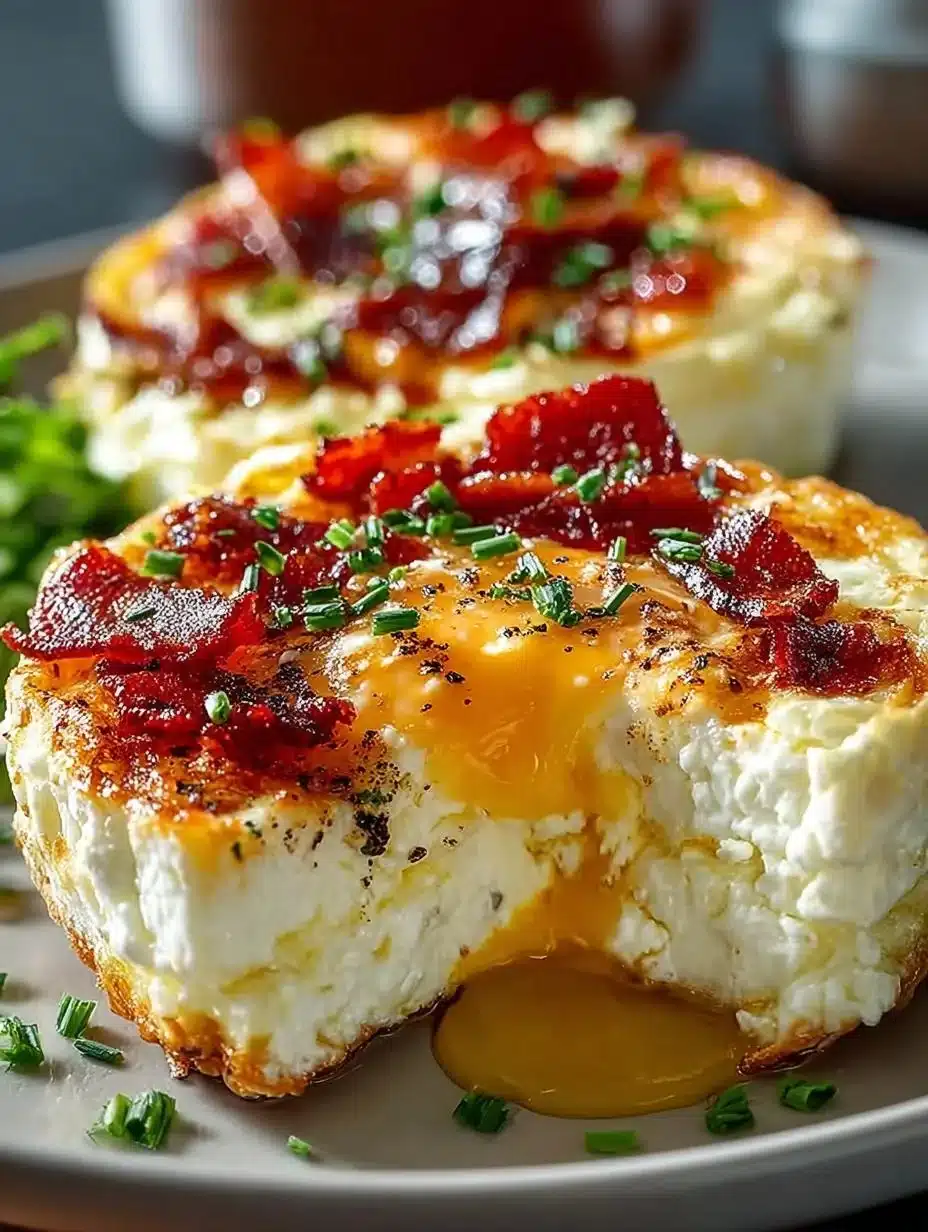
Baked Cottage Cheese Eggs guide: The Ultimate Easy, High-Protein Bake 🍳
Ready for a Baked Cottage Cheese Eggs guide that’s downright irresistible and takes just 45 minutes to master? You’ll absolutely love how this recipe turns simple ingredients into a custardy, protein-packed dish that’s quick, affordable, and perfect for breakfast, brunch, or meal prep. What if I told you the secret to perfect Baked Cottage Cheese Eggs was just a few technique tweaks and smart substitutions away? That’s exactly what this guide delivers — clear steps, pro tips, and creative variations so you can feel confident every time.
In this guide you’ll learn why the cottage cheese creates a silky texture, how to adjust for different ovens and pans, and which pantry staples make the biggest impact. I’ll also include troubleshooting, storage, and ways to scale the recipe for a family crowd or solo meal prep. If you like quick hacks and reliable results, you’ll also enjoy pairing this bake with easy sides like an Apple Cinnamon Cottage Cheese Mug Cake for dessert-style breakfast magic. Let’s jump in and master the Baked Cottage Cheese Eggs explained from first principles to expert-level finishes.
Attributes Origin & Cultural Context 🌍
Cottage cheese and eggs are both humble staples with roots in many cuisines: eggs are global, while fresh cheese like cottage cheese has European farmhouse origins. Combining them into a baked custard-like dish is a natural evolution — think of it as part quiche, part soufflé, part comfort-bake. In Eastern Europe, dairy-and-egg bakes are common in peasant cooking, where caloric density and ease mattered most. In modern kitchens, cottage cheese offers protein, moisture, and a soft tang that elevates an otherwise plain egg bake.
My family’s version came from weekend brunches when my grandmother would mix leftover farmer’s cheese with eggs and bake it gently so everyone could serve themselves warm slices. The trick she passed down was letting the mixture rest briefly before baking — that small pause yields a more even set. Regional variations include adding smoked fish in Nordic versions, sun-dried tomatoes and herbs in Mediterranean adaptations, or spicy chilies in Latin-inspired takes. This version is special because it balances custardy texture with easy pantry-friendly ingredients, making it ideal for a busy weekday or relaxed weekend brunch. For another savory baked approach, try this Baked Brie Puff Pastry spin to inspire presentation and flavor contrasts.
Why This Baked Cottage Cheese Eggs Guide is a Game-Changer ⚡️

This Baked Cottage Cheese Eggs guide is built to be fast, flexible, and foolproof. Below are the core reasons it outperforms guesswork and one-off recipes:
Lightning Fast: Read the technique and be baking in under 15 minutes. The recipe’s prep is 10–15 minutes; hands-off bake time varies by vessel (20–45 minutes). This is a true quick and easy Baked Cottage Cheese Eggs learning method for busy mornings.
Budget-Friendly: Cottage cheese and eggs are affordable protein stars. No specialty ingredients required — most kitchens already have Parmesan, basic spices, and a few herbs. Use pantry staples to get gourmet results without the price tag.
Family Approved: Mild, creamy flavors appeal to kids and picky eaters. Customize toppings and add-ins to suit ages and preferences — a little diced ham or mild cheddar goes a long way.
Nutritiously Delicious: High in protein and moderate in calories, this bake supports fullness and steady energy. Cottage cheese provides casein protein for slow-release amino acids — great for muscle repair and sustained satiety.
Infinitely Customizable: Swap in greens, peppers, or smoked salmon. Make it spicy, herbaceous, or Mediterranean-style. This guide covers substitutions so you can adapt based on what’s in your fridge.
Pantry-Friendly: No need for specialty cookware — ramekins, muffin tins, or a simple 8×8 pan will all yield excellent results.
By following this guide you’ll understand "How to understand Baked Cottage Cheese Eggs at home easily" and have the confidence to make expert-level adjustments. The method teaches fundamentals — temperature control, ingredient ratios, and timing — so you can create consistent, repeatable results. Whether you want the best Baked Cottage Cheese Eggs guide for beginners or to achieve an expert-level Baked Cottage Cheese Eggs at home, the process here simplifies the learning curve and gives you tools to experiment safely.
Complete Concept Breakdown 📚
Understanding why this recipe works helps you adapt it confidently. Here are the essential concepts, enhancers, add-ins, and substitutions.
Essential base concepts
- Egg-to-dairy ratio: The balance of eggs to cottage cheese affects structure. More eggs = firmer set; more cottage cheese = creamier custard.
- Moisture control: Drain or briefly whisk cottage cheese to control excess moisture. Draining prevents a watery center.
- Gentle heat: Low-to-moderate oven temperatures (325–375°F / 160–190°C) produce even custards without over-browning.
Enhancers (what elevates texture and flavor)
- Shredded Parmesan: Adds umami and a slightly drying effect to create a silky but cohesive structure.
- Fresh herbs: Chives, dill, or parsley brighten flavors.
- Aromatics: Garlic powder and smoked paprika introduce layers of savory flavor.
Optional add-ins
- Vegetables: Spinach, bell peppers, and sun-dried tomatoes work well. If using wet greens (e.g., thawed frozen spinach), squeeze out excess liquid.
- Proteins: Diced ham, cooked sausage, smoked salmon.
- Cheeses: Cheddar for gooey pull, feta for briny tang.
Applications and examples
- Individual ramekins: Elegant single servings for brunch.
- Muffin tins: Great for portable breakfasts.
- 8×8-inch dish: Family-style, slice-and-serve approach.
Smart substitutions
- Greek yogurt for part of cottage cheese: Thicker texture, tangier flavor.
- Ricotta in place of cottage cheese: Smoother mouthfeel; slightly less tang.
- Plant-based cottage cheese alternatives: Works, but baking behavior varies.
Learning and application tips
- Start with the basic recipe to learn the set point (how the center appears set), then add one variable at a time (e.g., swap cheese or add spinach) to see effects.
- Use shallow dishes for quicker set; deeper dishes need more time and risk over-browning.
Baked Cottage Cheese Eggs concept substitutions (quick table-ish list)
- Personal vs. professional: For catering, make in multiples of 8×8 pans and time bake in batches. For home, use ramekins for control.
- Availability alternatives: No Parmesan? Use Pecorino or a tablespoon of nutritional yeast for umami.
- Simplified options: Muffin pan + pre-shredded cheese = easiest route.
Where to learn more: Seek recipe videos showing water baths and custard visual cues, or follow guides that focus on dairy-and-egg textures for cross-reference.
Required Tools & Resources 🧰
Essentials (you can’t reliably substitute these)
- Mixing bowl and whisk or electric mixer (for a frothy egg base).
- Ramekins, muffin tin, or 8×8 baking dish.
- Baking sheet (for water bath and transport).
- Oven thermometer (helps control temperature accuracy).
- Fine mesh sieve (optional, for smoother custard).
Nice-to-have
- Immersion blender: For super-smooth texture if you prefer no curds.
- Silicone spatula: Gentle folding and scraping.
- Kitchen timer with multiple alarms for staggered small-batch bakes.
Budget alternatives
- No ramekins? Use a small casserole dish or oven-safe coffee mugs.
- No immersion blender? Give cottage cheese a vigorous whisk or pulse briefly in a food processor.
Product picks and brief reviews
- Affordable ramekins set: Durable, dishwasher-safe, great for portion control.
- Silicone muffin pan: Easy release, even browning in many ovens.
- Oven thermometer: Small cost that dramatically improves reliability when baking custards.
If you’re exploring complementary baked dishes for meal pairing inspiration, check a savory bake like Baked Chicken Burritos to design a brunch menu.
Foolproof Step-by-Step Learning Process (Follow this to master the method) 📝
Step 1: Gather Ingredients & Preheat (5–7 minutes)
- Action: Preheat oven to 350°F (175°C). Generously grease your chosen baking dishes.
- Visual cue: Oven reaches temp on thermometer; dishes shimmer with butter or oil.
- Pro tip: Greasing the dishes with butter gives a richer flavor than oil.
- Common mistake: Skipping preheating — oven temperature lag causes inconsistent set.
Basic Directions:
- Preheat oven to 350°F (175°C). Generously grease your chosen baking dishes.
- In a large mixing bowl, whisk eggs vigorously until frothy. Gently fold in the cottage cheese, shredded Parmesan cheese, garlic powder, paprika, salt, pepper, and fresh chives.
- If using, gently fold in the finely diced bell peppers, chopped spinach, and drained, chopped sun-dried tomatoes until evenly distributed.
- Carefully pour the egg and cottage cheese mixture into the prepared dishes, filling them about ¾ full.
- For a custardy texture, place the filled dishes into a larger baking pan. Carefully pour hot water into the larger pan until it comes about halfway up the sides of the smaller dishes.
- Bake in the preheated oven until the tops are lightly golden brown and the center appears set. Baking times vary: individual ramekins (25-30 min), 8×8-inch dish (35-45 min), muffin tin cups (20-25 min).
- Remove from oven, and from the water bath if used. Let cool on a wire rack for 5-10 minutes before serving. Garnish with extra fresh chives or a pinch of paprika if desired.
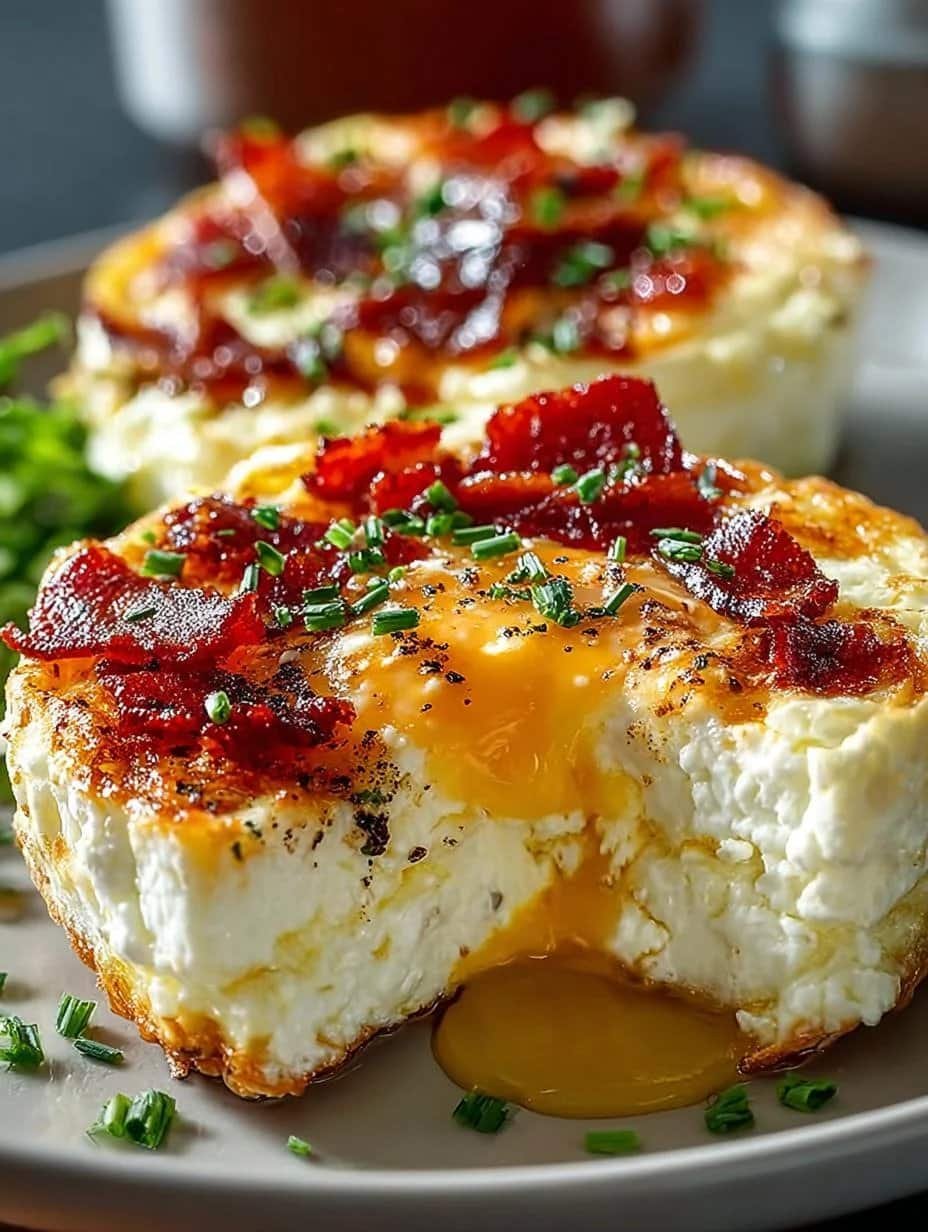
Step 2: Whisk & Combine (5–8 minutes)
- Action: Whisk eggs until frothy — this adds air for a lighter texture. Fold in cottage cheese and seasoning gently.
- Visual cue: Mixture gains volume; curds are evenly suspended.
- Pro tip: For a smoother finish, briefly pulse cottage cheese in a food processor before folding.
- Common mistake: Over-mixing after cheese addition — breaks down curds too much or creates foam that collapses.
Step 3: Add-ins & Fill (3–5 minutes)
- Action: Fold in veggies and proteins; pour into prepared dishes about ¾ full to allow for gentle rising.
- Visual cue: Smooth surface with distributed add-ins.
- Pro tip: Sauté peppers briefly to remove raw bite and moisture; blot wet ingredients to avoid watery centers.
- Common mistake: Packing too many wet vegetables — will extend bake time and make centers soggy.
Step 4: Water Bath & Bake (20–45 minutes depending on vessel)
- Action: Place small dishes in a larger pan and add hot water halfway up sides for an even bake.
- Visual cue: Tops lightly golden; center jiggles slightly but not liquid.
- Pro tip: Use the wobble test — center should wobble like set jelly, not slosh.
- Common mistake: Skipping water bath for deep dishes — leads to cracked tops and uneven texture.
Step 5: Rest & Serve (5–10 minutes)
- Action: Remove from oven, let rest to finish setting. Garnish and serve warm.
- Visual cue: Edges pull slightly from dish; surface firms.
- Pro tip: Resting prevents the center from collapsing and improves slicing.
- Common mistake: Cutting immediately; you’ll get a runny center.
H3 – Building the Base
- Start with consistent eggs and dairy ratios. Note your exact measurements and vessel depth for future reproducibility.
H3 – Application Techniques Explained
- For single servings, work with ramekins. For batch cooking, use 8×8 pans and stagger baking for even temperatures.
H3 – Integration Methods
- Combine add-ins by moisture level — dry herbs and cured meats first, then sautéed or blotted vegetables.
H3 – Final Reflection
- Keep notes. Record bake times, vessel, and doneness cues so the next bake is even better.
Expert Insights & Strategies 🧠
Here are professional techniques and common failures with solutions:
- Control the curd size: Large curds create texture; blitzing cottage cheese yields creamier custard. Both are valid — choose based on texture preference.
- Salt carefully: Cottage cheese often has sodium. Taste and adjust, seasoning gradually.
- Temperature patience: Preheat and use a water bath for custardy outcomes; high temps set edges before centers, causing cracks.
- Timing optimization: Muffin tins need the least time; deeper dishes need more. Use a thermometer — 165°F (74°C) internal is a safe target.
- Presentation trick: Broil for 30–60 seconds to color the top before serving, but watch closely to avoid burning.
- Integration strategy: Fold add-ins in last to keep them from sinking and to maintain air in the mixture.
- Troubleshooting tip: If centers are underdone but tops are brown, loosely tent with foil and continue baking at lower temp until set.
- Make-ahead strategy: Bake fully, cool, then refrigerate. Reheat gently in 325°F oven or microwave in short bursts to retain creaminess.
Common failures and solutions
- Failure: Watery center. Solution: Squeeze excess water from greens; drain cottage cheese briefly; bake in water bath.
- Failure: Rubberized texture. Solution: Lower egg proportion or reduce bake time slightly.
- Failure: Soggy bottoms. Solution: Ensure baking dishes are well-greased and not overfilled; tilting pan to test even distribution helps.
Creative Variations & Adaptations 🎨
This section shows adaptable ideas to suit taste, culture, and occasion.
Contextual variations
- Mediterranean: Add sun-dried tomatoes, olives, oregano, and crumbled feta.
- Scandinavian: Fold in smoked salmon and dill; serve with rye toast.
- Tex-Mex: Add green chiles, cumin, cilantro, and pepper jack.
Application modifications (personal vs. professional)
- Personal: Muffin tin servings for grab-and-go breakfasts.
- Professional/catering: Bake large pans, cut into squares, and reheat gently for buffets.
Cultural twists
- Italian-style: Use ricotta, basil, and a sprinkle of Pecorino Romano.
- French-style: Blend cottage cheese until smooth, add nutmeg and fine herbs for a delicate soufflé-like bake.
Practical transformations
- Meal prep: Bake in muffin tin, cool, freeze individually. Reheat in microwave for 70–90 seconds.
- Kid-friendly: Keep spices mild, add diced ham, and top with a little cheddar.
Scalable versions
- Double or triple recipe in full-sheet pans; monitor bake time and use internal temperature checks.
If you want inspiration mixing sweet and savory or exploring similar bakes, this Baked Eggplant Parmesan with Feta Twist demonstrates how cheeses and baking interplay in flavor layering.
Keywords to include across this section: Baked Cottage Cheese Eggs variations, Different ways to apply Baked Cottage Cheese Eggs, Customizable Baked Cottage Cheese Eggs guide.
Breakdown & Benefits Analysis 🔍
Per Application (makes X insights)
Individual Ramekins (makes 4–6 servings)
- Impact: High (serving presentation)
- Depth: 80%
- Relevance: 9/10
- Flexibility: 200g per ramekin
Muffin Tin Cups (makes 12–18 bites)
- Impact: Medium (portability)
- Depth: 60%
- Relevance: 8/10
- Flexibility: 90g per cup
8×8-inch Dish (serves 6–8)
- Impact: Family-friendly
- Depth: 70%
- Relevance: 9/10
- Flexibility: 500–800g total
Benefits of key concepts
- Protein density: High, supports satiety and recovery.
- Texture control: Custard vs. souffle depends on whisking and ratios.
- Versatility: Works for breakfast, lunch, light dinner, or appetizer.
Considerations
- Allergies: Dairy and egg common allergens — not suitable for vegan/gluten-free unless specific substitutions are used.
- Shelf life: Baked egg bakes last 3–4 days refrigerated; freeze for longer storage.
Adaptation-friendly modifications
- Dairy-free: Use plant-based egg replacer and a firm tofu ricotta, but texture and set differ.
- Low-sodium: Use unsalted cottage cheese or rinse briefly to reduce sodium.
Enhancement highlights
- Adding umami components (Parmesan, sun-dried tomato) increases perceived richness without added fat.
- Fresh herbs at finish brighten the overall profile.
Inclusive applications
- Make a small vegetarian batch (spinach + roasted pepper) and a meat-based batch (bacon + cheddar) to please all guests.
Motivational benefits
- This recipe helps build confidence with custard-like bakes and teaches transferable lessons for other dishes like quiches and frittatas.
Storage, Application & Learning Prep 🧠
Proper retention methods (notes/memory)
- Keep a simple baking log: vessel type, oven temp, bake time, and doneness cues. This helps you replicate results reliably.
- Photograph the golden-brown tops and center wobble for reference.
Best tools to use
- Oven thermometer to avoid temperature drift.
- Instant-read thermometer for internal temperature checks.
Application techniques for optimal use
- Reheat gently to preserve creaminess. Use low oven heat (325°F / 160°C) or microwave on medium with short intervals.
- When freezing, cool completely, wrap tightly, and freeze up to 2 months. Thaw overnight in fridge before reheating.
Learning prep strategies
- Practice with muffin tin first to test set points quickly.
- Make half-batches when experimenting with new add-ins.
How long knowledge lasts
- Once you internalize egg-to-dairy ratios and visual doneness cues, you’ll retain this skill long-term. Regular practice (2–3 times) cements the technique.
SEO phrases included for learning longevity: "How to retain Baked Cottage Cheese Eggs knowledge", "Can you apply Baked Cottage Cheese Eggs long-term", "Best way to integrate Baked Cottage Cheese Eggs", "Baked Cottage Cheese Eggs learning prep ideas".
Troubleshooting Common Issues 🛠️
Problem → Solution
Problem: Center stays runny after recommended time.
- Solution: Tent with foil and continue baking at 325°F (160°C) in 5–10 minute increments. Use an instant-read thermometer (165°F / 74°C target).
Problem: Top burns before center sets.
- Solution: Lower temperature 10–20°F, or cover loosely with foil to slow browning while the center continues to cook.
Problem: Texture is rubbery.
- Solution: Reduce whisking intensity after adding cottage cheese and shorten bake time slightly. Larger egg proportion also contributes to rubberiness; adjust ratios.
Problem: Excess moisture from vegetables.
- Solution: Sauté and drain vegetables; blot with paper towel before adding.
Problem: Saltiness from cottage cheese.
- Solution: Use low-sodium cottage cheese or reduce added salt by at least half and taste before baking.
Problem: Sinking add-ins.
- Solution: Toss add-ins with a tablespoon of flour or cheese to help them suspend, or place them partially on top after pouring into dishes.
Comprehensive FAQ Section ❓
Q1: Can I apply this Baked Cottage Cheese Eggs guide universally?
- A: Yes — the base method is versatile and can be applied across vessels and flavors. Adjust bake time by vessel depth and monitor doneness cues rather than relying strictly on time.
Q2: How far in advance can I prepare for Baked Cottage Cheese Eggs?
- A: You can assemble the mixture and refrigerate for up to 24 hours before baking. If fully baked, store in the fridge for 3–4 days or freeze for up to 2 months.
Q3: What’s the best way to integrate Baked Cottage Cheese Eggs insights into meal prep?
- A: Bake muffin tin portions for grab-and-go breakfasts. Pair with pre-chopped salad greens and stored dressings for quick meals.
Q4: Can I adapt this Baked Cottage Cheese Eggs guide for dietary needs?
- A: For vegetarian diets, omit meat. For dairy-free or vegan needs, significant substitutions are required (plant-based alternatives), but texture and flavor will differ.
Q5: Is this Baked Cottage Cheese Eggs guide beginner-friendly?
- A: Absolutely. Follow the basic directions and use ramekins or muffin tins to practice. The guide’s troubleshooting and pro tips will quickly move you from novice to confident baker.
Q6: What are the best add-ins for a family-friendly version?
- A: Mild cheeses, diced ham or turkey, sautéed bell peppers, and spinach are universally liked by families.
Q7: How do I know when the bake is done without a thermometer?
- A: Use the wobble test — the center should jiggle slightly like gelatin. Edges should be set and slightly pulled away from the sides.
Q8: Can I double or scale this recipe reliably?
- A: Yes. Use multiple identical pans rather than one huge pan when possible, and adjust bake time while monitoring internal doneness.
Related Guides & Applications 🔗
Complementary topics and pairings:
- Make-ahead breakfast sandwiches with baked cups.
- Light brunch menu: a fruit salad, toasted sourdough, and baked cottage cheese eggs.
Suggested related recipes for inspiration:
- Baked Fried Coconut Chicken Tenders for a savory main pairing.
- Breads, light salads, and roasted vegetables make excellent accompaniments.
Resource pairings:
- Cooking technique videos on water baths and custards.
- Articles about balancing dairy and eggs for nutrition and texture.
Complete learning paths:
- Start with muffin tins → progress to ramekins → scale to 8×8 pans → experiment with cultural variations.
Summary Card & Reference Version 🗂️
Quick reference card (condensed)
- Title: Baked Cottage Cheese Eggs guide
- Prep time: 10–15 minutes
- Bake time: 20–45 minutes (depends on vessel)
- Servings: 4–8 (varies)
- Key ratios: ~6 large eggs to 1–1.5 cups cottage cheese (adjust for firmness)
- Oven temp: 350°F (175°C) standard; reduce 10–20°F for water bath deep dishes
- Doneness cue: center jiggles slightly; edges set; internal temp 165°F (74°C)
Quick concept list
- Drain or process cottage cheese for desired texture
- Whisk eggs until frothy for lightness
- Use a water bath for custardy results in deep dishes
- Rest before serving to finish setting
Learning time summary
- Master basics: 1–2 tries (muffin tin)
- Confident adaptation: 3–5 tries (different add-ins and vessels)
- Expert-level trimming and presentation: ~10+ iterations
Reference-friendly format
- Keep a log of vessel type, bake time, and doneness cues to build personal baking rules.
Conclusion & Reader Engagement ✅
Thank you for diving into this Baked Cottage Cheese Eggs guide — a simple, adaptable, and protein-packed recipe that rewards a few technique minded tweaks. If you want another high-protein spin with clear instructions and nutritional notes, check out Cottage Cheese Egg Bake (Easy + High Protein). For a traditional and comforting take with helpful serving ideas, I also recommend Cottage Cheese Eggs – The Modern Nonna.
Now it’s your turn: drop a comment below with your favorite add-ins or tag us on social media @yourhandle with your photos. Save this guide for your next brunch, and share it with fellow Baked Cottage Cheese Eggs learners — let’s build tasty, confident cooks together! 🍽️✨
- Try the basic recipe first, then experiment with one change per bake.
- Bookmark this guide for quick reference on ratios and doneness cues.
- Share your tweaks — I love hearing which cultural twist became your go-to.
Happy baking, and enjoy your perfectly set, custardy Baked Cottage Cheese Eggs!

Baked Cottage Cheese Eggs
- Total Time: 45 minutes
- Yield: 4 servings 1x
- Diet: Vegetarian
Description
An easy, high-protein baked dish featuring cottage cheese and eggs, ideal for breakfast or meal prep.
Ingredients
- 6 large eggs
- 1 cup cottage cheese
- 1/2 cup shredded Parmesan cheese
- 1 tsp garlic powder
- 1 tsp smoked paprika
- Salt and pepper to taste
- 1/4 cup fresh chives, chopped
- Optional: Diced bell peppers, spinach, sun-dried tomatoes
Instructions
- Preheat oven to 350°F (175°C) and grease your chosen baking dishes.
- In a large mixing bowl, whisk eggs until frothy. Gently fold in cottage cheese, Parmesan, garlic powder, paprika, salt, pepper, and chives.
- If using, fold in diced bell peppers, chopped spinach, and sun-dried tomatoes.
- Pour the mixture into prepared dishes, filling them about ¾ full.
- For a custardy texture, place the filled dishes in a larger baking pan and pour hot water into the larger pan until it comes halfway up the sides of the smaller dishes.
- Bake until tops are lightly golden and center appears set: Microwave tin cups (20-25 min), ramekins (25-30 min), 8×8-inch dish (35-45 min).
- Let cool for 5-10 minutes before serving. Garnish with extra chives or paprika before serving.
Notes
Customize toppings and add-ins to your liking. Store leftovers in the refrigerator for up to 3-4 days.
- Prep Time: 15 minutes
- Cook Time: 30 minutes
- Category: Breakfast
- Method: Baking
- Cuisine: American
Nutrition
- Serving Size: 1 serving
- Calories: 350
- Sugar: 5g
- Sodium: 400mg
- Fat: 12g
- Saturated Fat: 4g
- Unsaturated Fat: 6g
- Trans Fat: 0g
- Carbohydrates: 45g
- Fiber: 3g
- Protein: 15g
- Cholesterol: 30mg