
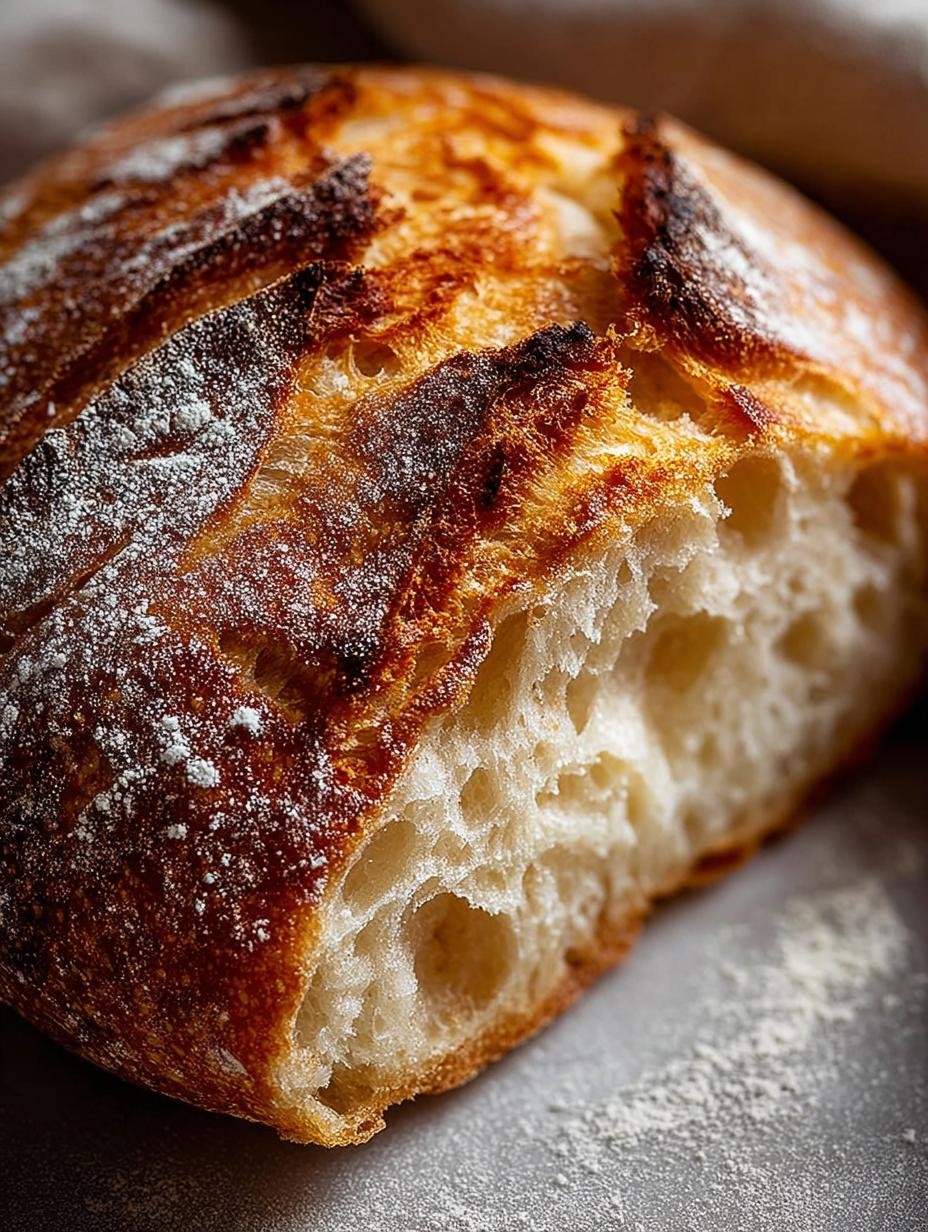
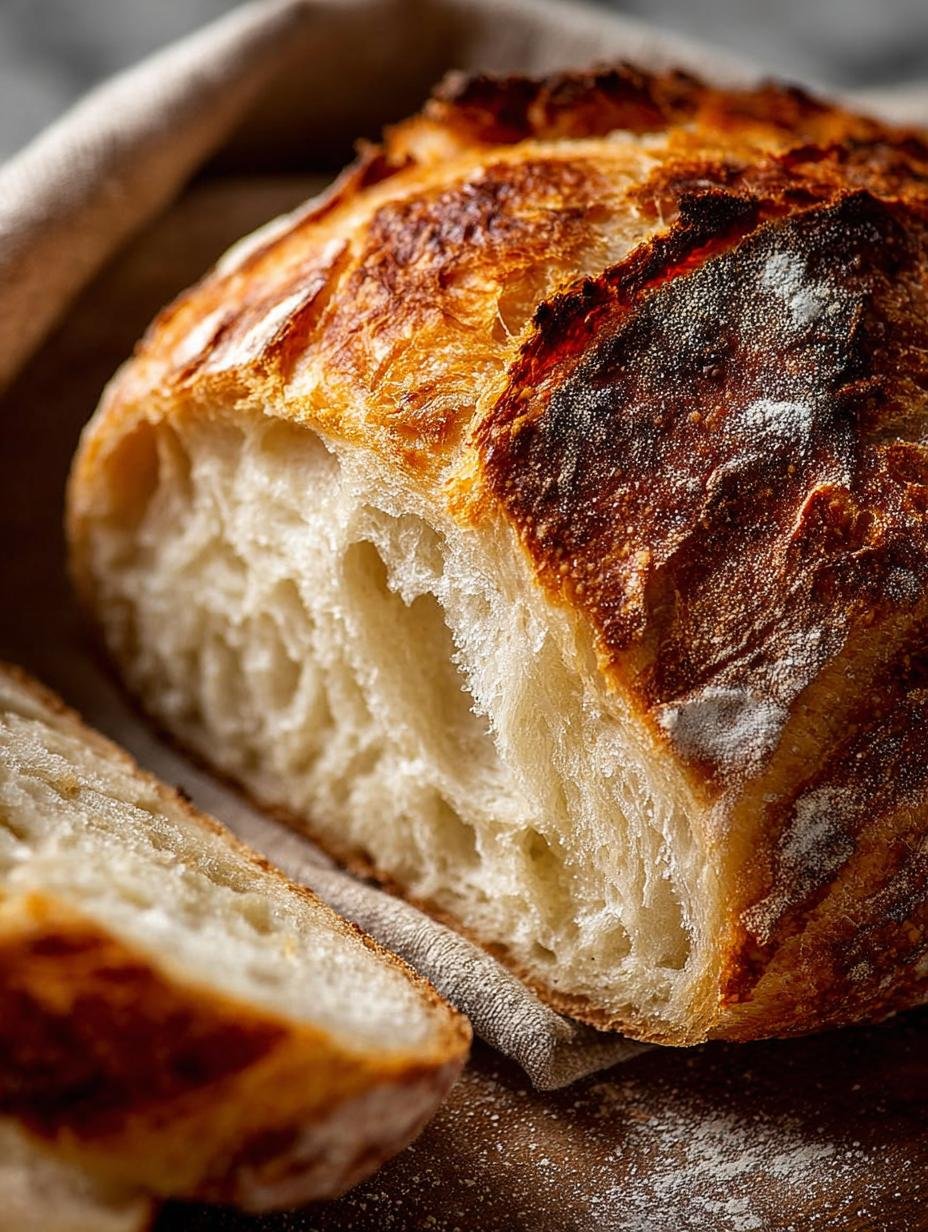
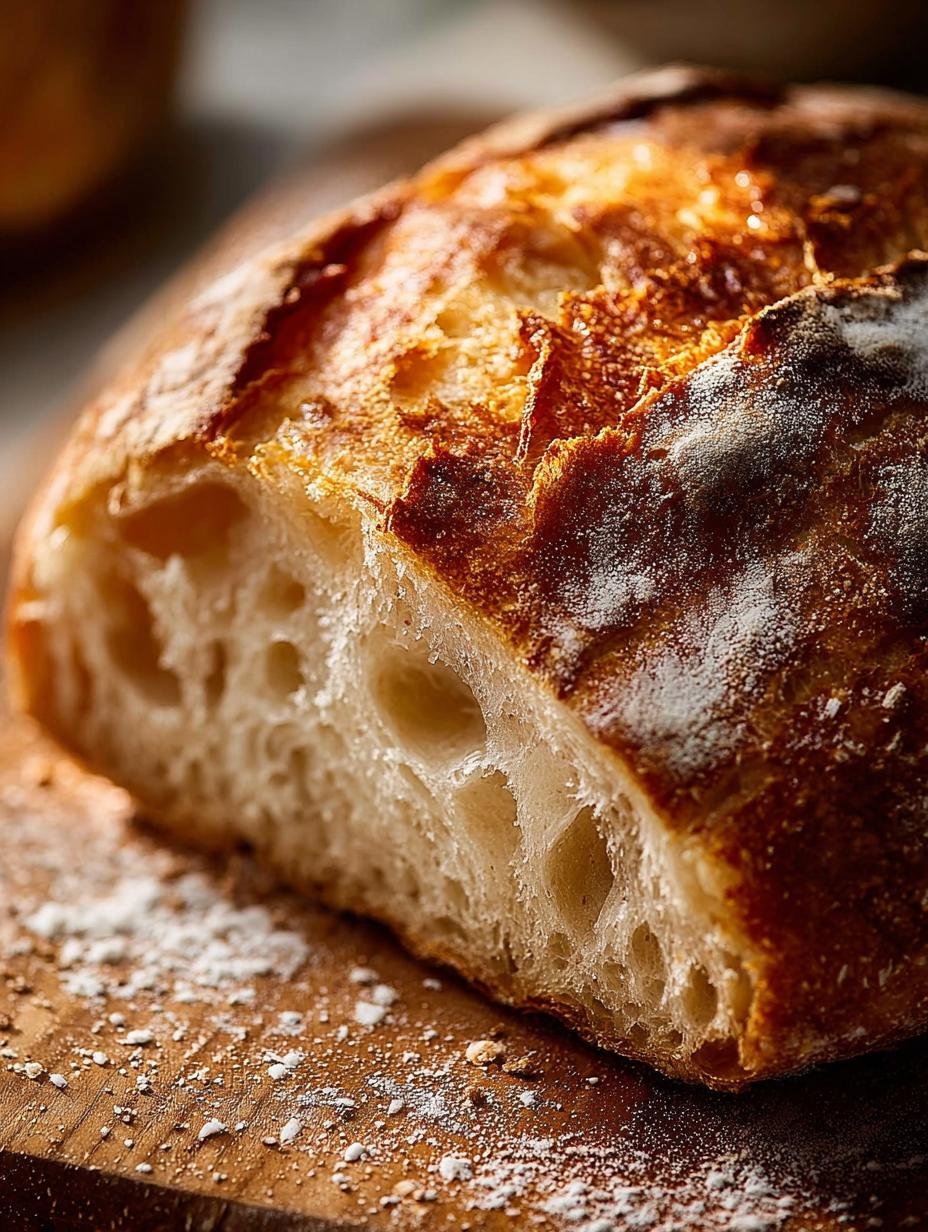
Knead Artisan Yeast Bread is not just a recipe; it’s an experience that brings the aroma of freshly baked bread into your home. This easy no-knead artisan yeast bread recipe creates a rustic loaf with a crispy, chewy crust and airy holes that resemble sourdough. Perfect for beginners, you can enjoy homemade bread with minimal effort. Let’s dive into the world of artisan bread making!
Why You’ll Love This Knead Artisan Yeast Bread
This knead artisan yeast bread is a game-changer for any home baker, and here’s why:
- Effortless Preparation: With no kneading required, this recipe simplifies the process.
- Delicious Flavor: The long fermentation develops a depth of flavor that enhances your bread.
- Perfect Texture: Achieve a crispy crust and soft interior through proper baking techniques.
- Flexible Timing: You can refrigerate the dough for up to three days for convenience.
- Beginner-Friendly: Perfect for those new to artisan bread making without complex steps.
- Customizable: Add herbs or cheese for a unique twist on the classic recipe.
This recipe is categorized under American cuisine and is vegetarian.
Ingredients for Knead Artisan Yeast Bread
Gather these items:
- 3 cups (450g) flour (bread or plain/all purpose)
- 2 tsp instant or rapid rise yeast
- 2 tsp cooking/kosher salt (NOT table salt)
- 1 1/2 tbsp flour for dusting
- 1 1/2 cups (375 ml) very warm tap water (up to 55°C/130°F)
How to Make Knead Artisan Yeast Bread Step-by-Step
- Step 1: In a large bowl, combine the flour, yeast, and salt. Add the warm water and use the handle of a wooden spoon to stir until all the flour is incorporated into a wet, sloppy dough. The dough should not be kneadable but also not as runny as cake batter. Adjust with additional water or flour if needed to reach the right consistency.
- Step 2: Cover the bowl with cling wrap or a plate and leave it on the counter for 2 to 3 hours until the dough doubles in volume, becomes wobbly like jelly, and develops bubbles on the surface. If it is not rising after 1 hour, move it to a warmer spot.
- Step 3: For enhanced flavor, refrigerate the dough at this point for up to 3 days. Before baking, remove it and let it sit at room temperature for 45 to 60 minutes to take the chill off.
- Step 4: Place a Dutch oven (26cm/10” or larger) with its lid on inside your oven. Preheat the oven to 230°C / 450°F (220°C fan) for 30 minutes.
- Step 5: Lightly flour your work surface with about 1 tablespoon of flour. Scrape the dough onto the surface, sprinkle about half a tablespoon of flour on top, and use a dough scraper or similar tool to fold the edges inward approximately six times to form a roundish shape. This deflates the bubbles and shapes the dough for transfer.
- Step 6: Place a large piece of parchment paper beside the dough. Flip the dough upside down (seam side down, smooth side up) onto the parchment. Slide it toward the center and reshape into a round form. Don’t worry about perfect shape; irregularities create crunchy crust bits.
- Step 7: Carefully remove the hot Dutch oven from the oven and use the parchment paper to lift and place the dough inside the pot. Cover with the lid and bake for 30 minutes.
- Step 8: Remove the lid and bake the bread for an additional 12 minutes or until the crust is deep golden and crispy.
- Step 9: Transfer the bread to a cooling rack and let it cool for 10 minutes before slicing.
Pro Tips for the Best Knead Artisan Yeast Bread
Keep these in mind:
- Use a digital thermometer to ensure your water temperature is optimal for yeast activation, around 55°C/130°F.
- For a crunchier crust, place a pan with water at the bottom of your oven while baking.
- Experiment with different types of flour for unique flavors and textures.
Best Ways to Serve Knead Artisan Yeast Bread
Here are a few ideas:
- Serve slices with a spread of butter for breakfast or brunch.
- Pair with soups and stews for a hearty meal.
- Use it for sandwiches with your favorite fillings.
How to Store and Reheat Knead Artisan Yeast Bread
To store, wrap the bread in plastic wrap or place it in a bread bag to maintain freshness. For reheating, slice and toast in a toaster or oven to restore its crispy crust. This recipe takes a total of 2 hours and 47 minutes from start to finish, making it perfect for meal prep.
Frequently Asked Questions About Knead Artisan Yeast Bread
What’s the secret to perfect Knead Artisan Yeast Bread?
The secret lies in the fermentation time and proper temperature. Allowing the dough to rise adequately enhances flavor and texture, crucial for artisan bread making.
Can I make Knead Artisan Yeast Bread ahead of time?
Yes! You can prepare the dough and refrigerate it for up to 3 days, enhancing its flavor even further.
How do I avoid common mistakes with Knead Artisan Yeast Bread?
Avoid over-kneading by ensuring you follow the no-knead method correctly. Also, monitor your water temperature to activate the yeast effectively.
Variations of Knead Artisan Yeast Bread You Can Try
Consider these variations for your next bake:
- Add herbs like rosemary or thyme for a savory twist.
- Incorporate cheese, such as cheddar or feta, for added flavor.
- Try using whole wheat flour for a healthier option while maintaining the artisan qualities.
For more delicious recipes, check out Air Fryer Parmesan Crusted Chicken or Easy Roasted Garlic Rosemary Artisan Bread. If you’re interested in meal prep ideas, you might enjoy Breakfast Casserole Ahead Meal as well!
Print
Knead Artisan Yeast Bread: 7 Tips for Perfect Texture
- Total Time: 2 hours 47 minutes
- Yield: 1 loaf 1x
- Diet: Vegetarian
Description
Easy No-Knead Artisan Yeast Bread Recipe
Ingredients
- 3 cups (450g) flour (bread or plain/all purpose)
- 2 tsp instant or rapid rise yeast
- 2 tsp cooking/kosher salt (NOT table salt)
- 1 1/2 tbsp flour for dusting
- 1 1/2 cups (375 ml) very warm tap water (up to 55°C/130°F)
Instructions
- In a large bowl, combine the flour, yeast, and salt. Add the warm water and use the handle of a wooden spoon to stir until all the flour is incorporated into a wet, sloppy dough. The dough should not be kneadable but also not as runny as cake batter. Adjust with additional water or flour if needed to reach the right consistency.
- Cover the bowl with cling wrap or a plate and leave it on the counter for 2 to 3 hours until the dough doubles in volume, becomes wobbly like jelly, and develops bubbles on the surface. If it is not rising after 1 hour, move it to a warmer spot.
- For enhanced flavor, refrigerate the dough at this point for up to 3 days. Before baking, remove it and let it sit at room temperature for 45 to 60 minutes to take the chill off.
- Place a Dutch oven (26cm/10” or larger) with its lid on inside your oven. Preheat the oven to 230°C / 450°F (220°C fan) for 30 minutes.
- Lightly flour your work surface with about 1 tablespoon of flour. Scrape the dough onto the surface, sprinkle about half a tablespoon of flour on top, and use a dough scraper or similar tool to fold the edges inward approximately six times to form a roundish shape. This deflates the bubbles and shapes the dough for transfer.
- Place a large piece of parchment paper beside the dough. Flip the dough upside down (seam side down, smooth side up) onto the parchment. Slide it toward the center and reshape into a round form. Don’t worry about perfect shape; irregularities create crunchy crust bits.
- Carefully remove the hot Dutch oven from the oven and use the parchment paper to lift and place the dough inside the pot. Cover with the lid and bake for 30 minutes.
- Remove the lid and bake the bread for an additional 12 minutes or until the crust is deep golden and crispy.
- Transfer the bread to a cooling rack and let it cool for 10 minutes before slicing.
Notes
- Prep Time: 20 minutes
- Cook Time: 60 minutes
- Category: Bread
- Method: Baking
- Cuisine: American
Nutrition
- Serving Size: 1 slice
- Calories: 155
- Sugar: 0 g
- Sodium: 200 mg
- Fat: 1 g
- Saturated Fat: 0 g
- Unsaturated Fat: 0 g
- Trans Fat: 0 g
- Carbohydrates: 32 g
- Fiber: 1 g
- Protein: 5 g
- Cholesterol: 0 mg