

Traditional White Chocolate Raspberry Cake guide
There’s a moment when a slice of cake stops being just dessert and becomes memory: the soft white crumb, the bright raspberry thread, the melt of white chocolate frosting. This Traditional White Chocolate Raspberry Cake guide will take you from that first impression to confident execution.
You’ll learn the cake’s essentials, historical roots, precise techniques, and thoughtful variations so you can bake — and teach — this dessert with clarity.
If you want a compact primer on pairings while you read, consider a related chocolate-raspberry tart primer that complements the flavor ideas below.
What you’ll gain from this guide:
- A grounded understanding of the cake’s flavors, structure, and history.
- Hands-on, step-by-step instructions for beginner through advanced bakers.
- Troubleshooting, storage, and creative variations to adapt the recipe to your needs.
Read on as if you’re standing at the counter with me — measured, curious, and ready to bake.
Background & Context
The combination of white chocolate and raspberries reads like a natural pairing: sweet, round milk-like cocoa butter with bright, tart berry acidity. The idea of pairing chocolate with fruit has ancient roots, but the white chocolate raspberry combination became popular only after white chocolate itself moved into mainstream production in the 20th century.
If you’re exploring adaptations across desserts, the texture and flavor lessons here are useful beyond cake — see how simple formats apply in a quick mug cake technique for inspiration on portion and time scaling.
Authentic White Chocolate Raspberry Cake origin: there isn’t a single origin story the way some desserts trace to a particular bakery. Instead, “classic” forms evolved from European patisserie practices, American layer-cake tradition, and the availability of white chocolate bars in the mid-1900s. Bakers combined the newer ingredient (white chocolate) with familiar fruit pairings (raspberries) and created layered confections that emphasized color contrast and delicate flavors.
Classic White Chocolate Raspberry Cake history: by the late 20th century, wedding and celebration cakes incorporated this pairing for its visual impact — pale cake, pink filling, and glossy white frosting. Regional variations use fresh, freeze-dried, or pureed fruit depending on seasonality and shelf-life needs.
A practical takeaway: the cake is as much about balance — sugar, fat, and acidity — as it is about technique. Respect the chemistry, and the flavor will follow.
Why This Approach Works
This guide focuses on ingredient balance, simple technique adjustments, and scalable processes. That approach works for three reasons:
- Predictability: Understanding how sugar, fat, and acid interact reduces surprises during baking and assembly.
- Flexibility: Small substitutions (like using high-quality couverture instead of compound white chocolate) improve results without changing the method.
- Reproducibility: Clear, stepwise actions let beginners repeat the recipe while allowing advanced bakers to refine texture and flavor.
Addressing common doubts:
- “Is white chocolate difficult?” Not inherently. The issues that arise (grainy texture, overheating, separation) are avoidable with simple temperature control.
- “Will raspberries overpower the cake?” Properly sweetened and thickened raspberry components complement rather than dominate the mild white chocolate profile.
- “Do I need special equipment?” No. Most home bakers already have the essential tools; a few optional items (like a stand mixer or a candy thermometer) make advanced techniques easier, not necessary.
This method balances accessibility with options for improving the end result as you grow.
Core Concepts Explained
Break the cake into four logical components: cake crumb, raspberry element, white chocolate component, and assembly/structure. Understand each and the whole becomes manageable.
- Cake crumb
- What it is: the structural base — texture, moisture, and crumb strength.
- Key levers: flour protein (cake vs. all-purpose), fat type (butter vs. oil), and sugar.
- Example: A butter-based sponge gives flavor and a tender crumb; an oil-based crumb stays moister for longer.
- Raspberry element
- What it is: the counterpoint — preserves, coulis, whole fruit, or mousse.
- Key levers: fruit concentration, pectin/thickener, and sugar to balance acidity.
- Example: A seeded raspberry jam brings texture and body, while a seedless coulis is silkier.
- White chocolate component
- What it is: the sweet, fatty binder and flavor carrier — can be in ganache, buttercream, or mousse.
- Key levers: cocoa butter quality, emulsifiers, and tempering (if using for decorations).
- Example: White chocolate ganache uses cream and chocolate for a stable, glossy finish; white chocolate buttercream uses creamed butter for aeration.
- Assembly & structure
- What it is: how layers interact — support, moisture migration, and finishing.
- Key levers: crumb sealing (crumb coat), protective layers (fat-based ganache vs. water-based fillings), and chilling.
- Example: A thin ganache layer between cake and jam prevents the jam from soaking into the crumb and making it soggy.
Alternatives and substitutions:
- White chocolate: if unavailable, try a white chocolate-flavored couverture or a white chocolate compound, but adjust sweetness and melting behavior.
- Raspberries: fresh when possible; frozen (thawed and drained) work for baking and jams; freeze-dried powder boosts flavor and color without extra moisture.
- Flour: low-protein cake flour yields a finer crumb; all-purpose is a reliable, accessible alternative with slightly more structure.
Tools, Resources, or Foundations
Essentials vs optional enhancements:
- Essentials: oven, mixing bowls, whisk or mixer, cake pans, spatula, scale (preferred), cooling racks.
- Helpful: stand mixer for ease, offset spatula for smooth frosting, digital thermometer for ganache control.
- Optional pro tools: baking strips for even rise, frosting turntable for smoother finishes, squeeze bottles for precise coulis application.
Budget-friendly alternatives:
- Use a hand mixer instead of a stand mixer.
- Repurpose a round cookie tin as a cake pan in a pinch.
- Weigh ingredients on a kitchen scale app or use level measuring cups for consistent dry measures.
Commentary on usefulness:
- A scale is the single best investment for consistency.
- A quality offset spatula speeds up assembly and improves presentation more than expensive decorative tools.
For technique cross-training, studying rolled and layered cheesecakes helps with stability; see a pastry method similar in layering at the blueberry cheesecake roll method.
Step-by-Step Process
Below is a logical progression from mise en place to finished cake. Time estimates assume two 8-inch layers and full decoration.
Total time: ~4–6 hours with chilling; active hands-on time 2–2.5 hours.
Yield: 8–12 servings.
H3: Mise en place (20–30 minutes)
- Preheat oven and prepare pans: line and grease two 8-inch round pans.
- Measure ingredients precisely; weigh flour, chocolate, and butter.
- Thaw and drain raspberries if frozen. If making jam or coulis, prepare first so it cools.
H3: Bake the cake layers (30–40 minutes incl. prep)
- Method: Creaming or reverse-creaming produce different textures. Beginners: creaming butter and sugar until light and fluffy, then alternating flour and liquid produces a forgiving, flavorful cake.
- Bake until a toothpick in center comes out with a few moist crumbs. Rotate pans halfway for even color.
H3: Prepare the raspberry component (20–40 minutes depending on recipe)
- Quick raspberry coulis: simmer raspberries with sugar, lemon juice, then strain for seedless clarity.
- Jam: cook longer with pectin or cornstarch to set; cool to spreadable consistency.
H3: White chocolate element (ganache and/or buttercream) (30–45 minutes)
- Ganache ratio: for spreading, use 2:1 white chocolate to cream by weight; for piping a thicker filling, 3:1.
- Heat cream gently, pour over chopped white chocolate, let sit 1–2 minutes, then whisk until smooth. Chill to spreadable.
- For buttercream, fold cooled ganache into creamed butter to taste and texture.
H3: Assembly and finishing (30–60 minutes with chilling)
- Level cake layers if domed.
- Crumb coat: thin layer of ganache to trap crumbs. Chill 15–20 minutes.
- Final coat: smooth ganache or buttercream. Pipe borders or add fresh raspberries. Chill to set.
Common mistakes + how to avoid them:
- Overheating white chocolate: heat cream, not chocolate; let residual heat melt chocolate. Use room-temperature ingredients to avoid re-emulsification.
- Soggy layers from wet fruit: use a fat barrier (thin ganache or buttercream) between cake and jam.
- Runny filling: thicken coulis or use stabilized jam; if using fresh fruit, macerate sparingly and strain if needed.
Pro tips:
- Freeze layers briefly before leveling for cleaner cuts.
- Use freeze-dried raspberry powder to intensify flavor without adding moisture.
- If you want glossy drips, temper a small amount of white chocolate for decorations.
See applied crumb and filling stabilization techniques in a related crumb-focused method at crumb structure techniques.
Expert Techniques & Insights
Advanced bakers can refine texture and presentation with targeted interventions.
- Emulsion control: White chocolate can seize if water is introduced. Use full-fat dairy and minimal water-based ingredients near melted chocolate. For buttercream, creamed butter + ganache yields a stable, emulsion-rich frosting.
- Flavor layering: Add a touch of lemon zest or juice to the raspberry filling to brighten flavor without making it sour. A small pinch of salt in the cake batter amplifies chocolate notes.
- Temperature sequence: Chill cake layers before final assembly to reduce crumbs, and use chilled ganache for a cleaner finish. However, avoid frosting when cake is rock-cold — allow a few minutes at room temperature for bond.
- Texture contrast: Add a thin dacquoise or almond crunch layer to introduce nutty texture; it also helps support moist fillings.
Lessons from experience:
- Quality white chocolate matters: inferior white chocolate can be too sweet and waxy. Choose one with a balanced cocoa butter content for better mouthfeel.
- Fresh raspberries are beautiful but perishable; plan assembly shortly before serving or use stabilized fillings for longer display.
For creative fusion ideas, combining flavors and textures can borrow strategies from other desserts like a cheesecake-brownies fusion ideas, where structure and contrast are key.
Variations & Adaptations
Different contexts call for different builds. Below are adaptations by outcome and skill level.
- Celebration cake (showstopper): multi-layer assembly, incorporate raspberry mousse, and use tempered white chocolate decorations. Requires chilling and display planning.
- Weeknight version (beginner): single-layer loaf cake with a simple raspberry swirl and white chocolate glaze. Faster and forgiving.
- Dietary adaptations:
- Gluten-free: use a 1:1 gluten-free flour blend and add xanthan gum if the blend lacks it.
- Lower-sugar: reduce sugar marginally and increase lemon in the raspberry to maintain balance; use high-quality white chocolate with less added sugar.
- Seasonal: substitute raspberries with a mix of berries for spring/summer or use raspberry preserves to extend into colder months.
Cultural or practical flexibility: In patisseries across Europe, the approach may use lighter genoise sponges and stabilized mousses, while home bakers often rely on butter cakes and quick ganaches. Both lead to excellent results when the balance is respected.
Analysis & Benefits Breakdown
This compact table compares common builds and their strengths and limitations.
| Build | Strengths | Limitations | Best Use |
|—|—:|—|—|
| Butter cake + ganache + jam | Flavorful, stable | Slightly denser | Home celebration cakes |
| Genoise + raspberry mousse | Light, elegant | Requires more skill | Wedding tiers, showpieces |
| Loaf cake + glaze | Quick, simple | Less dramatic presentation | Weeknight baking |
| Layer cake with dacquoise | Textural contrast | Longer assembly time | Formal dessert menus |
Considerations:
- If longevity matters (cakes on display), favor butter/ganache barriers and stabilized fillings.
- If lightness matters (elegant tasting menus), favor sponge plus mousse builds.
Preparation, Retention & Long-Term Use
How to prepare effectively:
- Plan stages across two days: bake layers day 1, assemble day 2. This staging reduces stress and improves finish quality.
- Label and date fillings; raspberry components freeze well in airtight containers.
Retention or reuse strategies:
- Freeze cooled cake layers wrapped tightly for up to 3 months; thaw in the refrigerator overnight before using.
- Ganache freezes and thaws well but may change texture; rewhip or gently heat to re-emulsify.
Longevity of knowledge or skills:
- Mastering emulsion and temperature control in this cake transfers directly to other chocolate-based desserts.
- Building reliable timelines and chilling schedules improves performance across multi-component confections.
Troubleshooting & Common Problems
Problem → Cause → Solution
- Problem: White chocolate ganache is grainy.
- Cause: Chocolate overheated or seizing due to moisture.
- Solution: Use warm (not boiling) cream, pour over chopped chocolate, and whisk gently. If seizing occurs, add a small amount of warm cream or a spoon of neutral-flavored oil and whisk to smooth.
- Problem: Cake layers are uneven or domed.
- Cause: Oven temperature too high or uneven heat.
- Solution: Use baking strips, lower oven temperature by 15–25°F (8–14°C), or tent with foil. Rotate pans during baking for uniform browning.
- Problem: Raspberries sink in batter.
- Cause: Fruit too heavy and batter too thin.
- Solution: Toss berries lightly in flour or cornstarch before folding in. Use thicker batter or place berries between layers after partial baking.
- Problem: Filling bleeds into crumb, making layers soggy.
- Cause: No fat barrier between jam and cake; filling too loose.
- Solution: Apply thin ganache or buttercream layer before jam. Thicken jam with pectin or cornstarch.
- Problem: Frosting slides off the cake.
- Cause: Cake too warm or ganache too thin.
- Solution: Chill layers, use a slightly thicker ganache, and allow ganache to set briefly before final smoothing.
If something goes wrong: pause, diagnose based on the likely cause, and choose a conservative fix. Baking is iterative; adjustments lead to learning.
FAQ
Q1: Can I use frozen raspberries?
A1: Yes. Thaw, drain, and reduce on the stove to remove excess water. Strain if you need a seedless coulis.
Q2: What’s the best white chocolate to use?
A2: Choose one with a high cocoa butter content and fewer artificial fats. Couverture white chocolate provides better mouthfeel.
Q3: How long can a finished cake sit at room temperature?
A3: If frosting is buttercream or ganache, 1–2 days at cool room temperature is typically okay. For long display or warm environments, refrigerate and allow slices to come to room temperature before serving.
Q4: How do I prevent raspberries from making the cake soggy?
A4: Use a fat barrier between cake and fruit (thin ganache or buttercream) and choose thicker fillings or preserves.
Q5: Can I make the cake ahead?
A5: Yes. Bake layers and freeze; make fillings ahead and refrigerate. Assemble within a day or two for best freshness.
Q6: Is white chocolate less stable than dark chocolate?
A6: White chocolate lacks cocoa solids and relies more on cocoa butter and sugar, so it can be more temperature-sensitive. Control heat and don’t introduce water.
Q7: How do I get a clean slice?
A7: Chill the cake slightly and use a hot, dry knife wiped between cuts for cleaner slices.
Q8: Can I substitute other berries?
A8: Yes. Blueberries and strawberries work well. Adjust sugar and thickening depending on fruit acidity and water content.
Related Topics & Next Steps
If you’re ready to expand your skillset, consider:
- Fruit curd techniques and stabilization for vibrant fillings.
- Tempering chocolate for decorations and sheen.
- Advanced buttercream techniques (Swiss meringue and Italian meringue) for stability.
Complementary skill guides include layered tart construction and mousse stabilization. For inspiration on using similar techniques in other desserts, explore recipes that emphasize similar structures and fillings.
Quick Reference Summary
- Balance is king: sugar, fat, and acid must work together.
- Four core components: crumb, raspberry element, white chocolate component, assembly.
- Protect crumb with a fat barrier to avoid sogginess.
- Chill strategically: it makes assembly cleaner and finishing neater.
- Invest in a scale and good chocolate; they impact results the most.
Bookmark these bullet points for quick review before you start baking.
Conclusion
You’ve walked through the Traditional White Chocolate Raspberry Cake guide from history and core concepts to step-by-step execution and advanced techniques. This combination of white chocolate and raspberries rewards patience and understanding of basic pastry chemistry. For a practical, tested recipe with video guidance that aligns with the techniques discussed here, see this detailed White Chocolate Raspberry Cake (with VIDEO!) – Scientifically Sweet.
If you’re looking for an alternative recipe and presentation ideas to spark variation in flavors or plating, a curated White Chocolate Raspberry Cake – Liv for Cake tutorial offers creative inspiration.
If you’d like, I can convert this guide into a reusable system prompt, adapt it into a tutorial with step-by-step printable cards, or build a checklist you can use each time you bake. Which would you prefer?
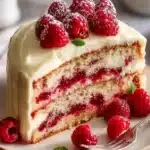
Traditional White Chocolate Raspberry Cake
- Total Time: 70 minutes
- Yield: 8 servings 1x
- Diet: Vegetarian
Description
A delightful cake combining soft white crumb with bright raspberry threads and melted white chocolate frosting, perfect for any celebration.
Ingredients
- 2 cups cake flour
- 1 cup granulated sugar
- 1/2 cup unsalted butter, softened
- 1 cup milk
- 3 large eggs
- 1 tablespoon baking powder
- 1 teaspoon vanilla extract
- 1 cup raspberries (fresh or frozen)
- 8 ounces white chocolate, chopped
- 1 cup heavy cream
- 1/2 cup raspberry jam
Instructions
- Preheat the oven to 350°F (175°C). Grease and line two 8-inch round cake pans.
- In a bowl, cream together the butter and sugar until light and fluffy. Add eggs one at a time, mixing well.
- Mix in the vanilla and alternate adding flour and milk until smooth.
- Fold in raspberries gently.
- Divide batter evenly between the pans and bake for 30-40 minutes until a toothpick comes out clean.
- Let the cakes cool in pans for 10 minutes, then transfer to wire racks.
- For the ganache, heat the cream and pour over the chopped white chocolate. Let sit for 1-2 minutes, then whisk until smooth.
- Once cakes are cooled, level the tops and spread a layer of raspberry jam on one layer. Top with the second layer.
- Crumb coat the cake with a thin layer of the white chocolate ganache and chill for 15-20 minutes.
- Apply a final smooth coat of ganache and decorate as desired with fresh raspberries.
Notes
Use high-quality white chocolate for best results. Freezing the cake layers for easier leveling is recommended.
- Prep Time: 30 minutes
- Cook Time: 40 minutes
- Category: Dessert
- Method: Baking
- Cuisine: American
Nutrition
- Serving Size: 1 slice
- Calories: 400
- Sugar: 30g
- Sodium: 250mg
- Fat: 20g
- Saturated Fat: 10g
- Unsaturated Fat: 8g
- Trans Fat: 0g
- Carbohydrates: 50g
- Fiber: 2g
- Protein: 5g
- Cholesterol: 30mg