
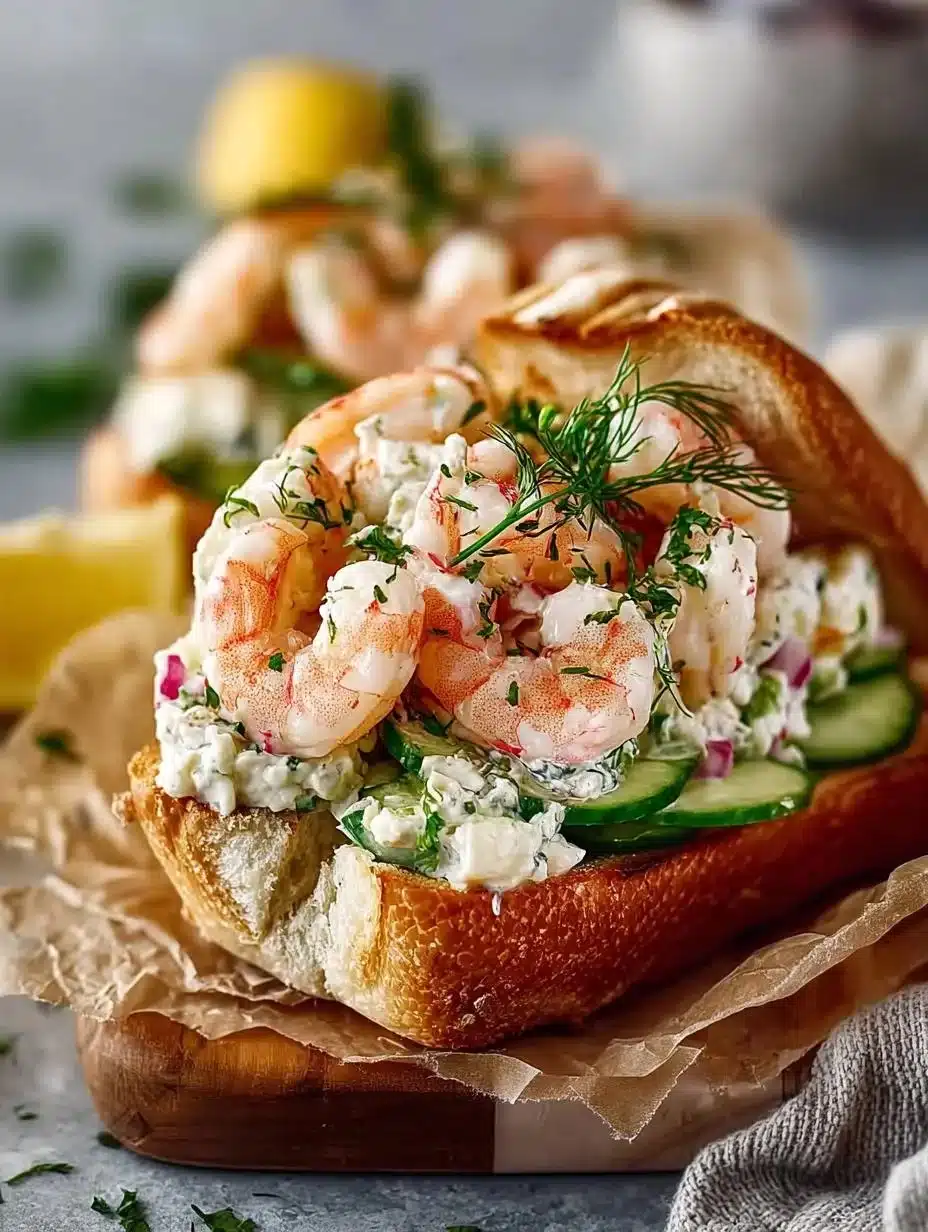
Traditional Shrimp Salad Sandwich guide
A shrimp salad sandwich is deceptively simple and deeply satisfying — a perfect bridge between weekend cooking and weekday nourishment. This guide walks you from the first ingredient choice to confident plating, revealing why the recipe works, how it evolved, and how to make it your own.
Read on to learn practical techniques, reliable recipes, troubleshooting tips, and variations that grow with your skill. By the end you’ll be able to make an authentic, repeatable sandwich and adapt it for different tastes and occasions.
For inspiration beyond the sandwich, try a related lighter lunch like a grilled shrimp orzo salad with chili-lime dressing to round out a shrimp-centered meal.
Background & Context
The Classic Shrimp Salad Sandwich history stretches across coastal kitchens where seafood is abundant and quick, portable meals are valued. In many regions shrimp salad became a way to extend a small catch into multiple meals by combining seafood with pantry staples like mayonnaise, celery, and bread.
Cultural threads run through versions of the sandwich. In the American South it’s often creamy and seasoned with celery and paprika. In coastal New England, a lighter touch — a squeeze of lemon and a bit of tarragon — highlights the shrimp itself. Many home cooks add local twists, such as spicy pickles in the Mid-Atlantic or curry spices in fusion recipes.
Understanding the Authentic Shrimp Salad Sandwich origin helps you choose techniques and flavors that respect tradition while leaving room for personal creativity. For a different protein profile with similar technique, consider how an Asian chicken cranberry salad balances fruit, crunch, and protein — that same structure applies to shrimp.
Why This Approach Works
This guide emphasizes balance: texture (crisp celery, tender shrimp), fat (mayonnaise or aioli), and acid (lemon, vinegar) — the three pillars that make seafood salads sing.
- Benefits of balance: The shrimp’s subtle sweetness needs a bit of fat and acid for contrast.
- Accessibility: Ingredients are widely available and technique is beginner-friendly.
- Flexibility: The same base can be scaled up for parties or simplified for quick lunches.
Common doubts: People often worry shrimp will overcook or the salad will be too wet. This approach gives precise timings and ratios to prevent those issues, and offers substitutions for dietary needs.
Core Concepts Explained
Breaking the sandwich into components makes it manageable: shrimp, dressing, mix-ins, bread, and finishing touches.
- Shrimp: Size and cooking method matter. Medium shrimp (31–40 count per pound) are easy to handle and stay tender. Raw shrimp can be boiled, poached, or sautéed; pre-cooked shrimp require gentler handling to avoid rubberiness.
- Dressing: Mayonnaise is classic, but you can use Greek yogurt, crème fraîche, or a half-and-half mixture for tang and lower fat.
- Mix-ins: Celery for crunch, scallions for bite, fresh herbs for brightness. Pickles, capers, or diced apple add personality.
- Bread: Soft white, brioche, whole-grain, or iceberg in lettuce wraps — bread affects texture and moisture balance.
- Finish: Lemon zest, freshly ground black pepper, and a sprinkle of paprika refine flavor.
Alternatives and substitutions:
- If you need dairy-free, swap mayo for an avocado-based dressing.
- To reduce calories, use mashed chickpeas plus chopped shrimp to extend volume without sacrificing protein.
- For a warm variation, briefly grill the dressed shrimp and serve on toasted sourdough.
For ideas on combining protein with bold flavors, this Asian chicken salad demonstrates how acid and aromatics elevate a simple protein base.
Tools, Resources, or Foundations
Essentials:
- Sharp chef’s knife (for clean, uniform chop).
- Small bowl for the dressing.
- Nonreactive pan (stainless steel or nonstick) or pot for poaching.
- Thermometer (optional) to check shrimp temperature.
Optional enhancements:
- Food processor for blitzing crunchy mix-ins into fine textures.
- Mandoline for precise thin slicing of cucumber or radish.
- Microplane for lemon zest.
Budget-friendly alternatives:
- Use frozen shrimp to save money; thaw in cold water and pat dry.
- Swap high-end bread for a day-old roll or toasted sandwich bread.
A useful pantry list: mayonnaise, Dijon mustard, lemon, celery, scallions, paprika, kosher salt, and freshly cracked pepper. If you want a richer, savory profile, add a tablespoon of Dijon or a teaspoon of whole-grain mustard.
Step-by-Step Process
Below is a practical, stepwise method designed for reliability. Time estimates assume basic prep familiarity.
H3: Step 1 — Choose and prepare shrimp (10–20 minutes)
Select shrimp size and whether they’re raw or pre-cooked. For raw shrimp:
- Bring salted water to a gentle boil.
- Add shrimp and remove as soon as they turn pink and curled (about 2 minutes for medium shrimp).
- Immediately transfer to an ice bath to stop cooking and preserve texture.
For pre-cooked shrimp: - Rinse under cold water to remove excess brine, then pat dry.
Common mistake: Overcooking. Solution: use ice bath and brief cooking.
H3: Step 2 — Chop and measure mix-ins (5–10 minutes)
Dice celery, scallions, and any add-ins like pickles or apple. Keep piece sizes consistent to ensure even texture.
Pro tip: Reserve some finely chopped scallion greens for a bright garnish.
H3: Step 3 — Make the dressing (3–5 minutes)
Typical ratio: 3 parts mayonnaise to 1 part acid (lemon juice or vinegar), plus mustard and seasoning.
Example: 3/4 cup mayo, 2 tbsp lemon juice, 1 tsp Dijon, 1/4 tsp salt, 1/8 tsp white pepper.
Simplification: For lighter dressing, use 1/2 cup Greek yogurt + 1/4 cup mayo.
H3: Step 4 — Combine and test (3–5 minutes)
Fold shrimp and mix-ins gently into dressing. Taste and adjust for salt, acid, or heat.
Common mistake: Overdressing. Solution: Start with less dressing and add until the mix barely coats the pieces.
H3: Step 5 — Chill and assemble (15–30 minutes chill; 5 minutes assemble)
Chill for at least 15 minutes; this lets flavors meld. Assemble on chosen bread or greens, adding lettuce for crunch and tomato if desired.
Time-saving tip: Make the salad ahead and store dressing separately if you will pack sandwiches for later to prevent sogginess.
Total active time: ~30–45 minutes. Passive chilling: 15–30 minutes.
Expert Techniques & Insights
- Texture control: Cut mix-ins to roughly the same size as the shrimp pieces. If shrimp are chopped too small, the sandwich feels mushy; too large and it’s awkward to eat.
- Temperature contrast: Slightly chilled shrimp salad on warm toasted bread creates an appealing contrast.
- Season in layers: Lightly salt shrimp during cooking and again after mixing to ensure balanced seasoning.
- Umami lift: A teaspoon of fish sauce or a few drops of soy sauce in the dressing deepens flavor without making the salad fishy.
- Oil-based variation: Emulsify olive oil with lemon and mustard for a lighter dressing that behaves more like a vinaigrette.
Lessons from experience:
- Let the salad rest; flavors evolve with time.
- For larger gatherings, assemble sandwiches just before serving to keep bread crisp.
Variations & Adaptations
This recipe framework supports many directions:
- Low-carb: Serve in iceberg lettuce cups with extra herbs.
- Spicy: Add chopped jalapeño or a dash of hot sauce to the dressing.
- Mediterranean: Mix in olives, capers, and fresh dill; serve on focaccia.
- Sweet-savory: Add chopped apple or grapes for texture and sweetness.
- Warm seared shrimp salad: Lightly sear shrimp and toss with warm dressing for a different mouthfeel.
For an adventurous plant-forward sandwich using similar construction, try pairing shrimp flavors with a spicy component inspired by a spicy gochujang chickpea salad sandwich, which demonstrates balancing heat and creaminess.
Skill-level adaptations:
- Beginner: Keep the recipe simple — celery, scallion, mayo, lemon.
- Intermediate: Add herbs, mustard, and learn precise shrimp cooking.
- Advanced: Make a flavored mayonnaise (garlic aioli), brine shrimp briefly, or smoke shrimp for depth.
Analysis & Benefits Breakdown
A concise comparison of common approaches helps decide which suits your needs.
| Approach | Benefits | Limitations | Best Use |
|---|---|---|---|
| Classic mayo-based | Creamy, familiar, fast | Higher fat content | Everyday sandwiches, potlucks |
| Yogurt/Dijon mix | Lighter, tangy, protein boost | Less rich mouthfeel | Health-conscious lunches |
| Olive oil vinaigrette | Bright, less heavy | Can be runny on bread | Open-faced toasts, salads |
| Warm seared shrimp | Complex flavor, contrast on toasted bread | Requires more active cooking | Weekend dinners, impressing guests |
Strengths, limitations, and considerations:
- Strength: Versatile across diets and occasions.
- Limitation: Seafood requires attention to freshness and cooking time.
- Consideration: Bread choice determines portability and texture.
For contrast in pairing sweet and savory elements, a salad like a caramelized pear and blue cheese salad shows how strong flavors can balance a mild protein like shrimp.
Preparation, Retention & Long-Term Use
How to prep effectively:
- Cook shrimp in batches and portion them for the week.
- Make a base dressing and store separately; add shrimp at serving time.
Storage and reuse:
- Keep shrimp salad refrigerated in an airtight container for up to 3 days.
- Reuse as a topping for greens, a filling for wraps, or mixed into pasta for a quick meal.
Longevity of skills:
- Learning to judge shrimp doneness and to balance acid-fat-salt will translate to other seafood dishes and general salad-making.
Batch cooking tips:
- Double the recipe for meal prep, but store dressing separately if you plan to use bread later.
Troubleshooting & Common Problems
Problem: Shrimp rubbery or tough
- Cause: Overcooking
- Solution: Reduce cook time; use ice bath immediately after boiling; if using pre-cooked shrimp, warm gently or use cold.
Problem: Salad too watery
- Cause: Excessive lemon or watery mix-ins
- Solution: Pat shrimp and vegetables dry; drain any watery ingredients (canned items, thawed shrimp).
Problem: Bland flavor
- Cause: Under-salted or lacking acid
- Solution: Taste and adjust with salt and an acid (lemon or vinegar). Add a small amount of mustard for depth.
Problem: Soggy bread
- Cause: Excess dressing or assembly too early
- Solution: Toast bread, layer lettuce as a moisture barrier, or keep salad refrigerated and assemble just before serving.
Problem: Unpleasant fishy taste
- Cause: Low-quality or old shrimp
- Solution: Use fresh or properly frozen shrimp; rinse and pat dry; add fresh lemon and herbs to mask slight off-flavors only as a last resort.
FAQ
Q: Can I use frozen shrimp?
A: Yes. Thaw under cold running water, pat dry, and proceed. Frozen shrimp are convenient and often affordable.
Q: Should I peel and devein shrimp for a sandwich?
A: Yes; peeled and deveined shrimp are easier to eat and look cleaner in a sandwich.
Q: Is there a vegetarian alternative that mimics shrimp texture?
A: Chopped hearts of palm or finely diced, roasted king oyster mushrooms provide a similar bite and take on dressing well.
Q: How do I scale the recipe for a party?
A: Multiply ingredients and serve chilled in a bowl with rolls on the side so guests assemble to taste. Keep the dressing separate if possible.
Q: What bread holds up best?
A: Slightly firm rolls or toasted bread prevent sogginess. Brioche is rich, while whole-grain offers nuttiness.
Q: Can I make this ahead for a picnic?
A: Pack the salad sealed and chilled; bring rolls separately and assemble on-site to keep bread crisp.
Q: How much dressing per pound of shrimp?
A: Start with about 3/4 to 1 cup of dressing per pound of shrimp, then adjust to taste and desired creaminess.
Q: Any allergy-safe tips?
A: For shellfish allergies, substitute shredded cooked chicken or chickpeas and use separate utensils to avoid cross-contact.
Related Topics & Next Steps
Expand your skill set by exploring complementary recipes and techniques:
- Toasting and bread handling for sandwiches.
- Brining and quick cures for shrimp.
- Making flavored mayonnaises and aiolis.
- Pairing sides and beverages with seafood sandwiches.
If you want to explore non-shrimp fillings with similar structure, a bright, tangy grilled shrimp orzo salad with chili-lime dressing or a protein-forward Asian chicken salad are natural next steps.
Quick Reference Summary
- Shrimp: Cook briefly; chill immediately.
- Dressing: Start conservative; balance fat and acid.
- Mix-ins: Keep uniform size; add crunch and brightness.
- Bread: Toast or choose sturdy rolls to avoid sogginess.
- Storage: 3 days refrigerated; assemble fresh for best texture.
Bookmark these quick checkpoints:
- Ice bath after cooking shrimp.
- Taste and adjust in layers.
- Lettuce as moisture barrier on bread.
Conclusion
You now have a complete Traditional Shrimp Salad Sandwich guide that covers the Authentic Shrimp Salad Sandwich origin, Classic Shrimp Salad Sandwich history, and hands-on technique for reliable results. Try making a batch this week, adjusting one variable (like swapping mayo for yogurt or adding an apple), and observe how balance changes the outcome.
For an approachable recipe to follow along or compare techniques, see this well-written Easy Shrimp Salad Sandwich • A Table Full Of Joy, and for another practical take on shrimp salad that emphasizes health and flavor, read Shrimp Salad Sandwich – The Healthful Ideas.
If you’d like, I can convert this into a reusable system prompt, adapt it for a technical recipe format, or create a printable checklist for kitchen prep. Which would be most helpful?

Traditional Shrimp Salad Sandwich
- Total Time: 25 minutes
- Yield: 4 servings 1x
- Diet: Pescatarian
Description
A classic shrimp salad sandwich that is simple yet satisfying, blending textures and flavors for a delightful meal.
Ingredients
- 1 lb medium shrimp (31–40 count), peeled and deveined
- 3/4 cup mayonnaise
- 2 tbsp lemon juice
- 1 tsp Dijon mustard
- 1/4 tsp salt
- 1/8 tsp white pepper
- 1 cup celery, diced
- 1/2 cup scallions, chopped
- 1/2 cup pickles or diced apples (optional)
- Bread of choice (soft white, brioche, whole-grain, or lettuce for wraps)
- Lettuce and tomato (optional, for serving)
Instructions
- Choose and prepare shrimp: If using raw shrimp, bring salted water to a gentle boil, add shrimp, and remove as soon as they turn pink (about 2 minutes). For pre-cooked shrimp, rinse under cold water and pat dry.
- Chop and measure mix-ins: Dice celery, scallions, and any additional ingredients like pickles or apples, keeping sizes consistent.
- Make the dressing: Combine mayonnaise, lemon juice, Dijon mustard, salt, and white pepper in a bowl.
- Combine and test: Gently fold shrimp and mix-ins into the dressing, taste, and adjust seasoning as necessary.
- Chill and assemble: Chill the mixture for at least 15 minutes, then assemble on chosen bread, adding lettuce and tomato if desired.
Notes
Make the salad ahead of time and store the dressing separately to prevent sogginess. Serve chilled for the best texture.
- Prep Time: 20 minutes
- Cook Time: 5 minutes
- Category: Sandwich
- Method: Mixing
- Cuisine: American
Nutrition
- Serving Size: 1 sandwich
- Calories: 350
- Sugar: 2g
- Sodium: 800mg
- Fat: 22g
- Saturated Fat: 3g
- Unsaturated Fat: 16g
- Trans Fat: 0g
- Carbohydrates: 30g
- Fiber: 2g
- Protein: 15g
- Cholesterol: 150mg