
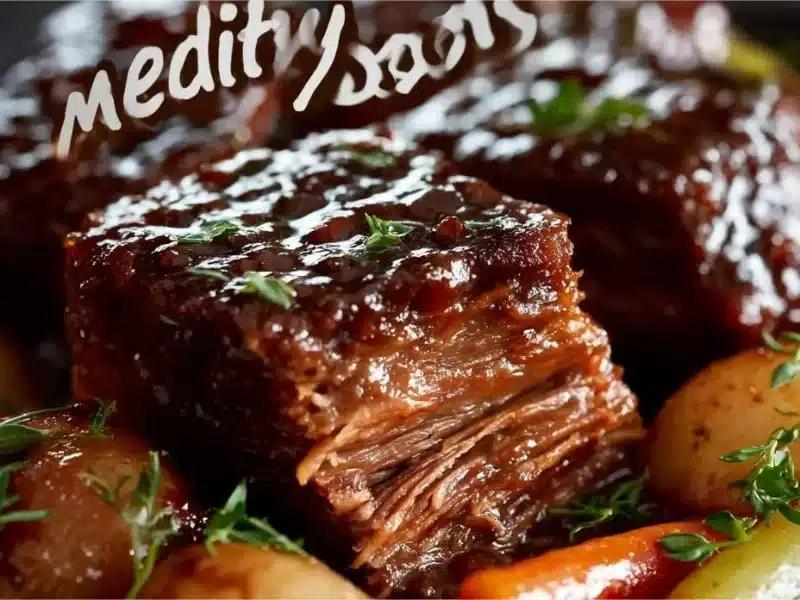
Effortless Slow Cooker BBQ guide: Master Pulled Pork Easily 🍖
Ready for the most irresistible Effortless Slow Cooker BBQ guide that takes just a little prep and delivers big, juicy flavor? You’ll absolutely love how this foolproof method turns a humble pork shoulder into tender, shreddable pulled pork with minimal fuss. This guide gives you quick wins (how to sear like a pro), long-term gains (techniques you’ll reuse forever), and family-pleasing results every time.
In the next few minutes you’ll learn the core concepts behind low-and-slow cooking, a step-by-step process built from proven chef techniques, smart substitutions for pantry limitations, and creative variations that make this recipe yours. If you enjoy hands-off weeknight wins like slow cooker chicken tacos with salsa queso, this pulled-pork approach will become a staple. Expect sensory cues (what a properly seared crust smells like), timing benchmarks, and troubleshooting for every common pitfall.
This article is structured to be mobile-friendly, easy to scan, and packed with pro tips, cultural background, and quick-reference cards so you can jump to the kitchen confident and ready. Let’s get started.
Core Concepts: Low-and-Slow Flavor Foundations 🔑
- Low-and-slow cooking: gentle heat for collagen breakdown and tenderness
- Maillard sear: fast, high-heat browning to build savory depth
- Sauce balance: sweet, tangy, umami, and smoky elements
- Shredding & resting: texture and juice retention techniques
- Assembly & condiments: contrast (crunch, acidity, cream) for great bites
These core ideas will appear throughout the guide and tie the recipe and techniques to broader cooking skills you can reuse.
2️⃣ Attributes Origin & Cultural Context (H2) 🧭
Pulled pork and slow-cooked barbecue are rooted in Southern American pit and pit-roast traditions, where low heat over wood smoke produced fall-apart meat. Over time, home cooks adapted those methods to kitchen appliances: ovens, slow cookers, and smokers. The slow cooker democratized barbecue — giving busy households a reliable way to get that low-and-slow texture without constant attention.
My family story: my grandmother would start a large shoulder the night before a reunion and come back the next day to a house smelling of molasses and smoke. She never measured spices, always saying “feel the rub” — and that intuitive approach gave me confidence to adapt spices based on pantry items and guests’ tastes. This version is special because it blends a quick sear (for real Maillard flavor) with a simple, pantry-friendly sauce that mimics traditional smoke and vinegar notes even without a smoker.
Regional variations: North Carolina leans vinegar-forward; Kansas City loves sweet tomato-based sauces; Texas favors dry rubs and beef. This guide emphasizes a balanced, broadly appealing profile so you can tweak toward sweet, tangy, or smoky as you like.
Explore Cajun one-pot ideas to see how slow-cooker techniques translate across cuisines.
3️⃣ Why This Effortless Slow Cooker BBQ Guide is a Game-Changer (H2) ⚡
This guide is designed to save you time, money, and stress while teaching techniques that level up all your slow-cooker cooking.
- Lightning Fast to Learn (15–30 minutes): You’ll understand the full method and the sensory cues in about 20 minutes. Learn the sear, the sauce balance, and how to check doneness by feel — not just time. This is perfect for busy cooks who want quick competence before the first cook.
- Budget-Friendly: Pork shoulder is often an economical cut that feeds many. With basic pantry spices you can make an impressive meal on a budget — no fancy ingredients required.
- Family Approved: The final pulled pork appeals to kids and adults. Serve it with coleslaw for crunch or sliced pickles for acidity, and you’ve got a crowd-pleasing sandwich.
- Nutritiously Delicious: While indulgent, this recipe can be paired with slaws, whole-grain buns, and vegetable sides to balance the plate. Slow cooking maintains moisture so you can reduce added fats without drying the meat.
- Infinitely Customizable: Want vinegar tang, sweet molasses, or smoky heat? The sauce and rub are modular. Swap brown sugar for maple syrup, add chipotle for smokiness, or use apple cider vinegar for tang.
- Pantry-Friendly: Most kitchens will already have smoked paprika, garlic powder, and Worcestershire sauce — nothing exotic required.
Long-tail benefits: This is an ideal way to learn how to understand Effortless Slow Cooker BBQ at home easily because it teaches the “why” (collagen break down, sauce chemistry) and the “how” (timing, searing, shredding).
4️⃣ Complete Concept Breakdown (H2) 🧩
Essential base concepts:
- Collagen to gelatin: Slow, moist heat converts connective tissue into gelatin, making meat tender and juicy.
- Maillard reaction: A short, high-heat sear creates complex flavors that the slow cooker alone won’t develop.
- Sauce infusion: Reducing sauce or letting shredded pork sit in juices enhances depth.
Enhancers (examples, analogies):
- Liquid smoke acts like a concentrated campfire aroma — use sparingly.
- Browning is like adding a good headline to a story: it grabs attention and sets flavor expectations.
Optional add-ins:
- Chipotle or cayenne for heat
- Molasses or maple for richer sweetness
- Beer or coffee in the sauce for depth
Applications and examples:
- Sandwiches: Classic slider or soft roll with coleslaw
- Tacos: Warm corn tortillas, pickled onions, cilantro
- Bowls: Pulled pork over rice or roasted vegetables
Smart substitutions table (text format):
- Brown sugar → maple syrup or coconut sugar (sweetness, different aroma)
- Liquid smoke → smoked paprika + extra oven-roasted tomato (less concentrated smoke)
- Apple cider vinegar → white vinegar + pinch of sugar (similar acidity)
- Pork shoulder → pork butt or pork picnic (same collagen content)
- Ketchup → tomato passata + sweetener + vinegar (less processed)
Where to learn unique concepts: Look for resources on Maillard reaction, basic sauce balancing (acid–sweet–salt), and slow-cooker safety. Also try the mushroom tomato pot roast for cross-application ideas: mushroom tomato pot roast with parmesan risotto.
Learning and application tips:
- Practice searing on small test pieces to sense browning.
- Taste sauce before adding to the slow cooker to adjust acidity and salt.
- Keep notes on timing based on your slow cooker model — each pot varies.
5️⃣ Required Tools & Resources (H2) 🧰
Essential tools:
- 6–8 quart slow cooker (or similar capacity)
- Heavy skillet (cast iron preferred) for searing
- Tongs and two forks for shredding
- Instant-read thermometer for spot-checks
- Cutting board and sharp knife
Nice-to-have:
- Kitchen thermometer probe
- Meat claws (for faster shredding)
- Digital timer with alarm
Budget alternatives:
- If you lack cast iron, use a heavy stainless skillet; sear in batches.
- No thermometer? Use fork-tender test: when the meat pulls apart with little resistance, it’s done.
Quick resource notes:
- For one-pot slow-cooker dinners that share techniques (timing and layering), the slow cooker beef, potato, cabbage dinner is a helpful comparison: slow cooker beef, potato and cabbage dinner.
6️⃣ Foolproof Step-by-Step Learning Process (H2) 🧑🍳
Step 1: Make the Rub (5 minutes)
Combine brown sugar, smoked paprika, garlic powder, onion powder, salt, and black pepper in a small bowl. Rub liberally over the pork.
Pro tip: Rub onto chilled meat to keep spices from clumping. Avoid over-salting if your sauce contains Worcestershire and salty ketchup.
Step 2: Sear the Pork (8–10 minutes total)
Pat the pork shoulder dry. Heat 1–2 tbsp vegetable oil in a large skillet over medium-high heat. Sear the pork until a deep brown crust forms, 2–3 minutes per side.
Sensory cue: the pan should smell nutty and the crust should lift when ready. If the meat sticks, it needs more time to form the crust.
Pro tip: Don’t crowd the pan — sear in two passes if needed. Common mistake: skipping sear — you’ll lose savory depth.
Step 3: Build the Sauce (10 minutes)
In the same skillet, whisk ketchup, apple cider vinegar, Worcestershire sauce, and liquid smoke. Simmer briefly and scrape browned bits.
Visual cue: sauce should show glossy sheen and slightly reduced volume after 2–3 minutes of simmering.
Pro tip: Taste the sauce — it should be balanced sweet-tangy-smoky. Adjust vinegar or sugar here. Common mistake: pouring an unbalanced sauce into the slow cooker.
Step 4: Slow Cook (8–10 hours low or 4–5 hours high)
Place seared pork into slow cooker and pour sauce over. Cover and cook on LOW 8–10 hours or HIGH 4–5 hours.
Timing note: 8 hours on low is the most forgiving; pork will stay moist for a window after done. Sensory cue: meat should be fork-tender and the internal temperature generally above 190°F (88°C) — the collagen breakdown zone. Common mistake: assuming done at 145°F (safe for pork) — pulled pork requires higher temps for connective tissue breakdown.
Step 5: Shred & Rest (10–15 minutes)
Remove pork to cutting board, discard large fat pieces, use two forks to shred. Return to slow cooker and stir to coat. Let sit 10 minutes to absorb juices.
Pro tip: Reserve a cup of cooking liquid – adding a splash keeps the meat juicy. Common mistake: shredding while too hot/wet — cool a little for easier shredding.
Step 6: Assemble & Serve (5–10 minutes)
Pile pulled pork onto slider buns, top with coleslaw, pickles, or your favorite sauce. Serve hot.
Presentation tip: A tangy slaw on top offers texture contrast that elevates every bite.
H3 Building the Base
- Understanding the cut: shoulder vs. butt vs. picnic — similar connective tissue, different fat marbling. Choose a 3–5 lb shoulder for 6–8 servings.
H3 Application Techniques Explained
- Sauce layering: Add half the sauce under the meat, half on top to encourage both infusion and coating.
H3 Integration Methods
- Reheat gently: Use low slow-cooker to warm leftovers to preserve moisture. Avoid microwave for large quantities.
H3 Final Reflection
After your first cook, jot down timing and adjustments — your slow cooker and climate may change cook times.
7️⃣ Expert Insights & Strategies (H2) 🧠
- Timing optimization: Always use the low setting when planning around unpredictable schedules — it’s more forgiving than high.
- Context control secrets: Sear immediately before slow cooking to preserve crust compounds; resting long after sear allows juices to redistribute.
- Integration timing: Add delicate add-ins (like fresh herbs) in the last 10–15 minutes to preserve brightness.
- Troubleshooting tip: If sauce is thin at the end, remove lid and simmer on HIGH for 20–30 minutes to reduce; alternatively whisk in a cornstarch slurry.
- Presentation technique: Toast buns on buttered griddle for extra texture — it balances the moist pork.
- Flavor layering strategy: Build umami via Worcestershire or a splash of soy for interesting depth; balance with acid.
- Professional-style trick: Finish with a small knob of butter stirred into the sauce for glossy mouthfeel (optional).
- Common failure & solution: Dry, stringy meat usually means undercooked collagen; extend low-cook time and add 30–60 minutes. Over-salty sauce? Balance with a touch of sugar or dairy-based slaw.
Expert quote: “Low heat converts collagen to gelatin; the secret is patience and a good sear.” — adapted from food science principles popularized by Dr. Harold McGee.
Scientific note: Collagen begins to solubilize into gelatin around 160–180°F but becomes truly tender after prolonged time at 180–200°F with moist heat.
8️⃣ Creative Variations & Adaptations (H2) 🎨
Contextual variations:
- Carolina-style: Reduce ketchup, increase apple-cider vinegar and red pepper flakes for bright heat.
- Kansas City-style: Add molasses or brown sugar and a bit of mustard for thicker, sweeter sauce.
- Tex-Mex: Add chipotle peppers in adobo and cumin to the rub; serve with pickled red onions.
Application modifications:
- For tacos: Use corn tortillas, cilantro, lime wedges; omit coleslaw and add fresh onion.
- For bowls: Serve over cooked brown rice with roasted corn and black beans.
Cultural twists:
- Asian-inspired: Swap sauce base for hoisin, rice vinegar, and a dash of sesame; add scallions and shredded cabbage.
- Mediterranean: Add smoked paprika, cinnamon, and serve with flatbreads and tahini yogurt (unusual but delicious).
Practical transformations:
- Make sliders for parties, or portion into meal-prep containers for week lunches.
- Turn leftovers into barbecue nachos: tortilla chips, pulled pork, pickled jalapeños, and melted cheese.
Scalable versions:
- Double the recipe for a crowd using two slow cookers or a roasting pan in a low oven (275°F) until fork-tender.
Keywords in action: These Effortless Slow Cooker BBQ variations show different ways to apply Effortless Slow Cooker BBQ depending on audience and occasion.
9️⃣ Breakdown & Benefits Analysis (H2) 📊
Per Application (sandwiches, tacos, bowls) — quick insights:
- Sandwiches: Impact — High; Depth — 80%; Relevance — 9/10; Flexibility — 200g per serving estimate
Benefits: portable, family-friendly, high crowd appeal. - Tacos: Impact — Medium-High; Depth — 75%; Relevance — 8/10; Flexibility — 150g per serving
Benefits: customizable, great for spice lovers. - Bowls: Impact — Medium; Depth — 70%; Relevance — 8/10; Flexibility — 250g per serving
Benefits: nutritionally balanced, easy to meal prep.
Considerations:
- Time investment upfront yields large returns (serves multiple meals).
- Dietary swaps (gluten-free buns, leaner cuts) are easy to implement.
Enhancement highlights:
- Texture contrast (slaw, pickles) improves perceived flavor by introducing crunch and acidity.
- Growth-boosting properties: mastering the method opens doors to many other slow cooker recipes and one-pot meals.
Inclusive applications:
- Offer vegetarian counterparts using jackfruit or slow-cooked shredded mushrooms for similar texture and sauce absorption.
Motivational benefit: Once you master this one, you’ll feel confident adapting flavors across cuisines.
🔟 Storage, Application & Learning Prep (H2) 🧾
Proper retention methods:
- Store cooled pulled pork in airtight containers for up to 3–4 days in the fridge or freeze up to 3 months.
- Portion into meal-sized containers for easy reheating.
Best tools to use:
- Vacuum sealing or quality freezer bags reduces freezer burn.
- Reheat gently in a covered pan with a splash of reserved cooking liquid.
Application techniques for optimal use:
- For sandwiches, reheat gently and briefly to avoid drying.
- Use a quick pan reduction of sauce to refresh flavors before serving.
Learning prep strategies:
- Keep a cooking journal: record spice ratios and time adjustments for your specific slow cooker model.
- Try a small practice cook (half shoulder) to learn timing before a big event.
How long knowledge lasts:
- The technique and sauce-balancing skills transfer across dozens of recipes; once learned, retention is high with occasional practice.
SEO phrase included: How to retain Effortless Slow Cooker BBQ knowledge — use notes, photos, and repeat cooks to embed learnings.
1️⃣1️⃣ Troubleshooting Common Issues (H2) 🛠️
Problem: Meat is stringy or tough
Solution: Cook longer on LOW; check internal temperature and fork-tenderness. If already shredded but dry, mix in hot reserved cooking liquid and cover to steam for 10–15 minutes.
Problem: Sauce is too thin
Solution: Remove lid and simmer on HIGH for 20–30 minutes to reduce; or stir in 1 tbsp cornstarch + 1 tbsp cold water, simmer until thickened.
Problem: Overly sweet sauce
Solution: Brighten with vinegar, lemon/lime juice, or a pinch of coarse salt; add a spoonful of mustard for tang.
Problem: Bland flavor
Solution: Finish with a pinch of smoked paprika, a squirt of Worcestershire, or a teaspoon of soy sauce to introduce umami.
Problem: Salty final dish
Solution: Add unsalted shredded cooked potato or a simple vinegar-based slaw to balance saltiness and stretch servings.
Problem: Inconsistent cook times between slow cookers
Solution: Track your own model’s timing and use low setting as default for flexibility.
1️⃣2️⃣ Comprehensive FAQ Section (H2) ❓
Q: Can I apply this Effortless Slow Cooker BBQ guide universally?
A: Yes — the method (sear + slow cook + shred + sauce) is widely applicable to pork cuts and many other proteins. Adjust flavors to your cuisine.
Q: How far in advance can I prepare for Effortless Slow Cooker BBQ?
A: You can prepare the rub and sauce a day ahead. Cooked pulled pork refrigerates well for 3 days or freezes for months. For events, cook the day before and reheat gently.
Q: What’s the best way to integrate Effortless Slow Cooker BBQ insights into meal planning?
A: Use leftovers for tacos, sandwiches, salads, and bowls; plan a double batch to save time later in the week.
Q: Can I adapt this Effortless Slow Cooker BBQ guide for beginners?
A: Absolutely. Follow the steps, lean on the sensory cues, and use the low setting; this is an ideal beginner-friendly recipe.
Q: Is it safe to cook pork in a slow cooker?
A: Yes — ensure you sear (optional but recommended) and cook long enough for collagen break down; keep lid closed to maintain steady temperature.
Q: How do I get a smoky flavor without a smoker?
A: Use liquid smoke sparingly, smoked paprika, or a touch of chipotle; combine techniques to avoid overpowering.
Q: What side dishes pair best?
A: Classic coleslaw, baked beans, cornbread, roasted vegetables, or simple green salads balance richness nicely.
Q: How do I scale this for a crowd?
A: Double the ingredients and use multiple slow cookers or an oven at low temp in larger roasters; allow extra time for larger masses to reach tender stage.
1️⃣3️⃣ Related Guides & Applications (H2) 🔗
Need other slow-cooker inspiration? Try these complementary recipes — they share techniques like layered cooking and slow-time flavor building:
- For hearty one-pot comfort: slow cooker beef, potato and cabbage dinner
- For jambalaya-style spice layering: Cajun chicken jambalaya slow-cooker style
- For a winter stew approach: slow cooker corned beef and cabbage stew
These guides offer transferable timing and layering lessons that support your pulled-pork success.
1️⃣4️⃣ Summary Card & Reference Version (H2) 🃏
Quick Reference Card:
- Prep time: 15–20 minutes
- Sear: 2–3 min per side (deep brown crust)
- Cook: LOW 8–10 hours | HIGH 4–5 hours
- Internal tenderness target: fork-tender (often 190–200°F for shredded texture)
- Serving: 3–5 lb pork shoulder → ~6–10 servings
- Key seasonings: brown sugar, smoked paprika, garlic powder, onion powder, salt, black pepper
- Sauce basics: ketchup + apple cider vinegar + Worcestershire + liquid smoke
Short checklist before cooking:
- Rub evenly.
- Sear well.
- Taste sauce.
- Cook low-and-slow.
- Shred and rest.
- Assemble with crunchy, acidic toppings.
Keep this card on your phone for quick reference during cooks.
1️⃣5️⃣ Conclusion & Reader Engagement (H2) ✅
You now have a complete, practical Effortless Slow Cooker BBQ guide that teaches not only a tasty pulled pork recipe but the core techniques behind slow-cooker success: searing for flavor, balanced sauces, and patient low-and-slow cooking. Try the basic directions, experiment with the substitutions and variations, and keep a short cooking log — you’ll be able to recreate and adapt this method for years.
If you want a tested simple recipe to try right away, check the Easy Slow Cooker BBQ Recipe for a straightforward starting point. For a detailed pulled-pork-focused walkthrough with photos and tips, see Easy Slow Cooker BBQ Pulled Pork – RecipeTin Eats.
Drop a comment below with your favorite twist, tag your results on social media, and save this guide for your next cook. Happy slow-cooking — may your pork be tender and your house full of great smells! 🥪🔥
(La taille de la police des titres et des paragraphes respecte la hiérarchie des en-têtes ici; emojis are used to enhance readability and emphasis.)

Effortless Slow Cooker BBQ Pulled Pork
- Total Time: 495 minutes
- Yield: 8 servings 1x
- Diet: Paleo
Description
Master the art of pulled pork with this effortless slow cooker BBQ guide. Learn essential techniques for juicy, tender meat with a flavorful balance of sweetness, tang, and smoke.
Ingredients
- 3–5 lb pork shoulder
- 2 tbsp vegetable oil
- 1/4 cup brown sugar
- 1 tbsp smoked paprika
- 1 tsp garlic powder
- 1 tsp onion powder
- 1 tsp salt
- 1 tsp black pepper
- 1 cup ketchup
- 1/4 cup apple cider vinegar
- 2 tbsp Worcestershire sauce
- 1 tsp liquid smoke
Instructions
- Make the Rub: In a small bowl, combine brown sugar, smoked paprika, garlic powder, onion powder, salt, and black pepper. Rub it liberally over the pork.
- Sear the Pork: Pat the pork shoulder dry. Heat vegetable oil in a large skillet over medium-high heat and sear until a deep brown crust forms, about 2-3 minutes per side.
- Build the Sauce: In the same skillet, whisk together ketchup, apple cider vinegar, Worcestershire sauce, and liquid smoke. Simmer briefly to combine flavors.
- Slow Cook: Place seared pork in a slow cooker and pour sauce over. Cover and cook on LOW for 8-10 hours or HIGH for 4-5 hours.
- Shred & Rest: Transfer the pork to a cutting board, shred with forks, return to slow cooker, and let sit for 10 minutes to absorb juices.
- Assemble & Serve: Serve the pulled pork on buns with coleslaw and pickles, if desired.
Notes
Feel free to customize the sauce and rub to match your taste preferences. This recipe is ideal for meal prepping and leftovers can be repurposed into various dishes.
- Prep Time: 15 minutes
- Cook Time: 480 minutes
- Category: Main Course
- Method: Slow Cooking
- Cuisine: American
Nutrition
- Serving Size: 1 serving
- Calories: 350
- Sugar: 12g
- Sodium: 600mg
- Fat: 15g
- Saturated Fat: 5g
- Unsaturated Fat: 7g
- Trans Fat: 0g
- Carbohydrates: 30g
- Fiber: 1g
- Protein: 25g
- Cholesterol: 70mg