
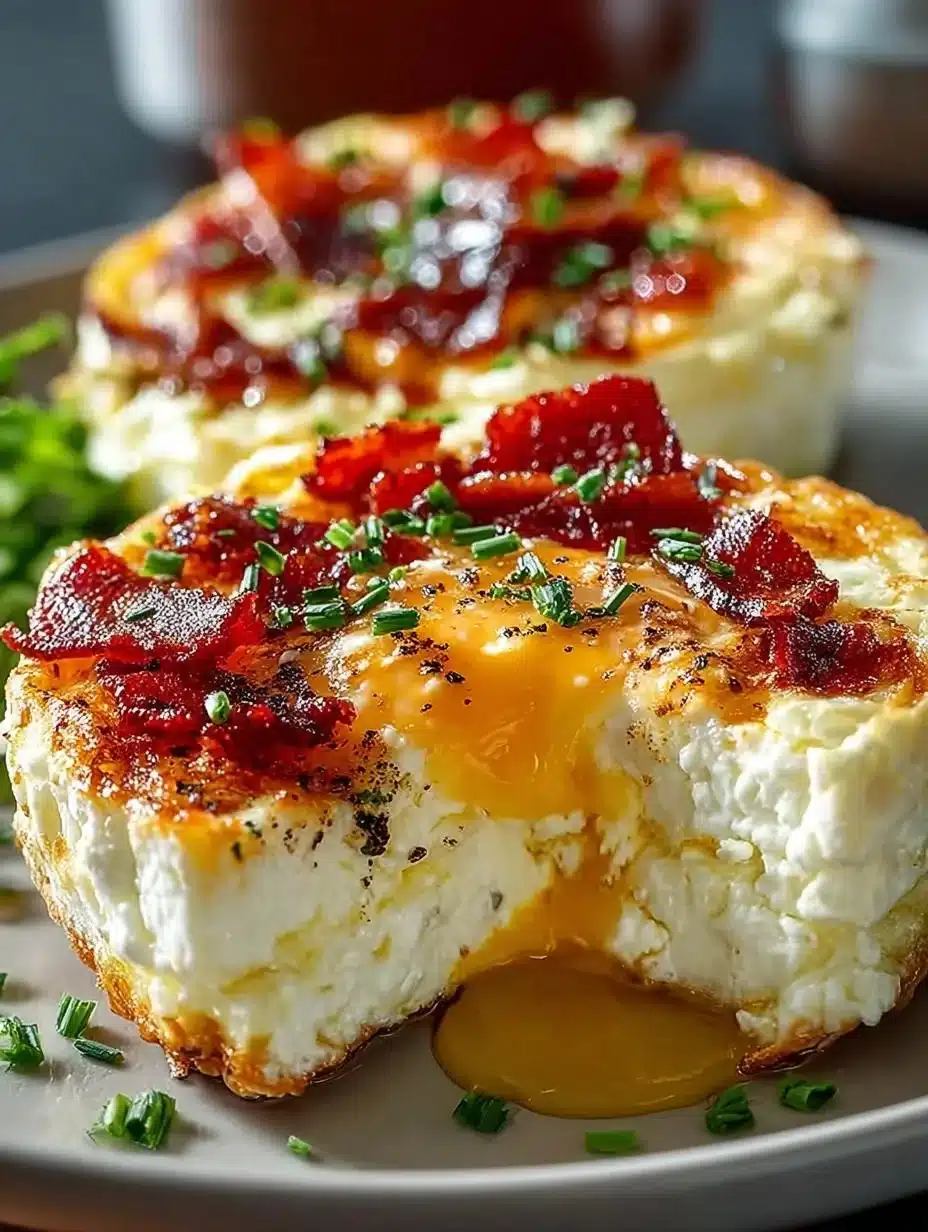
Baked Cottage Cheese Eggs guide: The foolproof, creamy egg bake you’ll love 🍳
Ready for the most irresistible Baked Cottage Cheese Eggs guide that takes just a little planning to master? You’ll absolutely love how this simple technique transforms everyday eggs and cottage cheese into a custardy, protein-rich dish that’s fast, forgiving, and endlessly adaptable. In this guide you’ll learn not only how to make perfect Baked Cottage Cheese Eggs step by step, but why the method works, smart swaps for pantry shortages, pro timing tips, and creative variations that keep breakfasts, brunches, and meal-prep exciting.
Whether you’re cooking for one, feeding a family, or prepping breakfasts for the week, this guide gives you the confidence to make a consistent, delicious bake every time. Expect clear tools lists, sensory cues so you know it’s done, troubleshooting for common pitfalls, and expert strategies to customize texture and flavor. You can also peek at a straight-to-the-point recipe if you want an instant demo: baked cottage cheese eggs recipe.
Jump in — by the end you’ll know how to understand Baked Cottage Cheese Eggs like a pro and have options to suit dietary goals, time constraints, and taste preferences. Let’s bake!
2️⃣ Attributes Origin & Cultural Context 🌍
Baked egg dishes have ancient roots — from Italian frittatas and French gratins to Middle Eastern shirred eggs — people have long loved baked eggs for their convenience and comforting texture. Cottage cheese as an ingredient brings a 20th-century twist: widely available in home kitchens and valued for its high protein and tangy creaminess, it became a natural partner to eggs in many modern home-cooking traditions.
Personally, this recipe traces back to weekend breakfasts in my grandmother’s kitchen, where leftovers and dairy staples were reinvented into hearty dishes. She’d mix whatever was on hand — soft cheeses, herbs, sometimes bits of ham — and pop it into the oven for an easy family meal. That resourceful spirit is what makes this version special: it’s about maximizing flavor and nutrition from common pantry staples.
Regional variations echo the same pattern: in Mediterranean kitchens you might see feta and oregano; in Eastern Europe, dill and smoked sausage; in America, shredded cheddar and bacon. This guide focuses on the classic creamy bake, but the framework is flexible and invites cross-cultural twists. If you want another cozy cottage-cheese-based treat, try this comforting apple cinnamon cottage cheese mug cake for dessert-like breakfasts.
Keywords: Traditional Baked Cottage Cheese Eggs guide • Authentic Baked Cottage Cheese Eggs origin • Classic Baked Cottage Cheese Eggs history
3️⃣ Why This Baked Cottage Cheese Eggs Guide is a Game-Changer ⚡
This guide is designed to be both practical and educational — it shows you how to understand Baked Cottage Cheese Eggs at home easily and gives you the tools to repeat the results reliably.
- Lightning Fast: The prep is under 10–15 minutes and bake times vary by vessel (ramekins 25–30 minutes, 8×8 dish 35–45 minutes). You’ll be meal-ready in under an hour.
- Budget-Friendly: Cottage cheese and eggs are inexpensive protein sources. No specialty ingredients needed, and many add-ins are pantry staples.
- Family Approved: The texture is creamy, not rubbery; most kids and picky eaters appreciate the mild flavor. You can make individual portions for picky palates or a large dish for sharing.
- Nutritiously Delicious: High-quality protein from cottage cheese and eggs supports fullness and steady energy. The dish is also a good canvas for added vegetables for fiber and micronutrients.
- Infinitely Customizable: Swap in different cheeses, herbs, proteins, or vegetables to suit dietary needs or taste. Want it dairy-free? There are creative alternatives later in the guide.
- Pantry-Friendly: Common spices (garlic powder, paprika), frozen veggies, and jarred sundried tomatoes all work — no last-minute grocery runs.
Why it works: Cottage cheese adds moisture and a gentle curd structure, which helps keep the baked eggs tender. Whisking eggs aerates them slightly, while baking in a water bath or using a smaller dish helps regulate heat so the center cooks evenly without overbrowning. The result: a custardy texture that’s stable when sliced but still silky.
Long-tail keywords included: How to understand Baked Cottage Cheese Eggs at home easily • Best Baked Cottage Cheese Eggs guide for beginners • Quick Baked Cottage Cheese Eggs learning method • Expert-level Baked Cottage Cheese Eggs at home

4️⃣ Complete Concept Breakdown — What’s happening and why 🧩
Main concepts (organized by category)
Essential base concepts:
- Egg structure: Eggs set when proteins coagulate with heat. Gentle heating keeps texture tender.
- Cottage cheese role: Adds moisture, creaminess, and protein; curd size affects final texture.
- Heat control: Baking temperature and vessel size determine cooking time and doneness.
Enhancers (flavor and texture examples):
- Parmesan or sharp cheddar for nuttiness and browning.
- Smoked paprika or cayenne for warmth.
- Fresh herbs (chives, dill) added after baking preserve bright herbal flavor.
Optional add-ins:
- Vegetables: spinach, bell peppers, mushrooms (pre-sauté for best texture).
- Proteins: cooked bacon, ham, shredded chicken.
- Mix-ins: sun-dried tomatoes, olives, caramelized onions.
Applications and examples:
- Breakfast ramekins for single servings.
- Casserole for brunches.
- Muffin cups for meal prep and grab-and-go portions.
Detailed explanations for key concepts
- Texture control: If you want a custard-like center, use a water bath (bain-marie) and bake at 325–350°F. For a quicker, slightly firmer set, bake directly on the rack at 350°F and check earlier.
- Curd size: Small curds in cottage cheese blend more uniformly; large curds create little pockets of dairy. Choose based on whether you want a uniform custard or textured bites.
- Salt and seasoning balance: Because cottage cheese can be salty, taste-test a small whisked sample if using a very salty brand and adjust added salt accordingly.
Smart substitutions table (conceptual)
- Dairy swap: Greek yogurt (full-fat) or silken tofu — use slightly less to avoid excess moisture.
- Cheese swap: Swap Parmesan for Pecorino or cheddar for a sharper, meltier profile.
- Egg alternative: For vegan versions, try chickpea flour-based bake (different technique — not an exact swap).
Learning and application tips
- Start with the basic recipe and one add-in (spinach or ham) until you’re comfortable with bake times for your oven and dish.
- Use a timer and thermometer (optional) — the center should read ~165°F for safety, though visual cues are usually sufficient.
- Keep notes on timings and vessel sizes so you can replicate perfect timing next time.
SEO phrases: Essential concepts for Baked Cottage Cheese Eggs • Best examples for Baked Cottage Cheese Eggs • Baked Cottage Cheese Eggs concept substitutions
5️⃣ Required Tools & Resources 🛠️
Essential tools
- Mixing bowl (medium-large)
- Whisk or fork (hand-whisking is fine)
- Ramekins, 8×8 baking dish, or muffin tin (choose based on portion size)
- Baking pan (for water bath if using ramekins)
- Oven mitts and a wire rack
Nice-to-have resources
- Instant-read thermometer (for precise doneness)
- Silicone spatula for scraping
- Kitchen scale (useful when scaling recipes)
Budget alternatives
- Use a sturdy bowl and fork instead of a whisk.
- If you don’t own ramekins, small oven-safe mugs work well.
- A shallow casserole dish can replace individual vessels when hosting.
Specific recommendations
- Ramekins: 6–8 oz ceramic ramekins hold single servings nicely.
- Muffin tin: Use silicone liners or grease well to prevent sticking.
- For recipe inspiration and plating ideas, check creative baked cheese dishes like bacon cheeseburger casserole for flavor pairings and staging inspiration.
6️⃣ Foolproof Step-by-Step Learning Process (Detailed, with pro tips) 📝
Step 1: Gather ingredients and preheat (5 minutes)
- Preheat oven to 350°F (175°C). Lightly grease your baking vessels (ramekins, 8×8, or muffin pan).
- Visual cue: Warm, even oven and well-greased pans prevent sticking.
- Pro tip: If you’re using a large time-saving tray, line with parchment for easy cleanup.
Step 2: Whisk eggs and season (3–4 minutes)
- In a large bowl, whisk eggs vigorously until frothy — this introduces small air bubbles for lightness.
- Add salt, pepper, garlic powder, and paprika.
- Pro tip: Whisk until the yolks and whites are fully combined; a few vigorous seconds make a noticeable difference.
Step 3: Fold in cottage cheese and Parmesan (1–2 minutes)
- Gently fold in cottage cheese and shredded Parmesan. Avoid overmixing; you want incorporated but not homogenized.
- Visual cue: Mixture should look creamy with small curd pockets.
- Pro tip: For a smoother custard, briefly pulse cottage cheese in a blender before folding.
Step 4: Add optional vegetables/proteins (2–3 minutes)
- If using bell peppers, spinach, or sun-dried tomatoes, fold them in now. Sauté hearty vegetables (mushrooms, peppers) beforehand to remove excess moisture.
- Common mistake: Adding raw watery veggies (like fresh mushrooms) without sautéing can make the bake soggy.
Step 5: Transfer to baking vessels (2 minutes)
- Pour mixture into prepared dishes, filling ¾ full to allow expansion. For ramekins, place them inside a larger pan if doing a water bath.
- Visual cue: Mixture glistens and sits level in the dish.
Step 6: Optional water bath for custardy texture (add 5 minutes prep)
- For a creamier set, place filled dishes in a larger baking pan and pour hot water halfway up the sides of the smaller dishes.
- Pro tip: Use preheated water so the oven recovery time is shorter and cooking is more even.
Step 7: Bake until set (time varies)
- Individual ramekins: 25–30 minutes
- 8×8-inch dish: 35–45 minutes
- Muffin cups: 20–25 minutes
- Sensory cues: Tops lightly golden; center jiggles slightly like a set custard. An instant-read thermometer (165°F) confirms doneness.
- Common mistake: Overbaking results in dry, rubbery texture — start checking 5–8 minutes earlier than the recommended time.
Step 8: Rest and garnish (5–10 minutes)
- Remove from oven, and from the water bath if used. Let cool on a wire rack for 5–10 minutes — this helps it set and makes slicing cleaner.
- Garnish with extra fresh chives or a pinch of paprika, and serve warm.
H3: Building the Base — key variables
- Egg-to-dairy ratio: Typical base uses 6 eggs + 1–1½ cups cottage cheese in an 8×8 dish. Increase eggs for firmer structure.
- Vessel depth: Deeper dishes require longer bake times.
H3: Application Techniques Explained
- Make-ahead: Bake, cool, cover, and refrigerate for up to 3 days. Reheat gently to preserve texture.
- Freezing: Freeze individual portions wrapped tightly; thaw overnight in fridge and reheat in a low oven.
H3: Integration Methods
- Layer-ins: Pre-cook proteins and vegetables to avoid excess moisture.
- Toppings: Add breadcrumbs/parmesan for a crisp top — bake uncovered the last 5–8 minutes.
Step Format Example (quick recap)
Step 1: Define Your Foundation (5 minutes) — Preheat and measure. Pro tip: Using room-temperature eggs helps them incorporate better.
7️⃣ Expert Insights & Strategies (Pro techniques) 🎯
- Texture control via blending: Pulse cottage cheese in a food processor if you prefer an ultra-smooth custard. Leaving curds intact gives a rustic, textured bite.
- Temperature optimization: Baking at a slightly lower temperature (325–335°F) with a water bath gives the most even, custard-like results. If you’re short on time, 350°F works with care.
- Timing tweaks: For muffin tins, reduce bake time and rotate the pan halfway to avoid uneven browning.
- Flavor layering: Sear aromatics (onion, garlic) before adding to the batter — this deepens flavor without adding moisture at bake time.
- Salt strategy: Add most seasoning to the whole mix but reserve a pinch to finish — taste after baking when flavors have melded.
- Presentation trick: Sprinkle a small dusting of smoked paprika or chopped chives right before serving to brighten the dish visually and aromatically.
- Troubleshooting common failures: If centers sink, increase oven temperature slightly next time or ensure eggs were not overwhisked introducing too much air. If too watery, reduce cottage cheese by ¼ cup or pre-salt and drain loose whey.
- Make-ahead optimization: Bake slightly under and finish in a hot oven before serving to restore creamy texture and warmth without drying.
Pro timing tip: Always factor in oven hot-spots; smaller ovens or convection settings may reduce bake times by 10–15%.
For pairing ideas and unexpected savory combos, see creative uses like this elegant pairing inspiration: baked brie puff pastry ideas.
8️⃣ Creative Variations & Adaptations (300+ ways to tweak! 🎨)
Contextual variations
- Mediterranean: Add crumbled feta, chopped kalamata olives, oregano, and sun-dried tomatoes.
- Southern: Mix in diced ham, shredded cheddar, and green onions.
- Vegetarian: Load in sautéed spinach, roasted red peppers, and a sprinkle of feta.
Application modifications
- Breakfast muffins: Bake in a muffin tin for portable servings. Add diced peppers and bacon bits for texture.
- Casserole brunch: Double the base for a party-sized dish; top with breadcrumbs and bake until golden.
Cultural twists
- Italian-style: Swap cottage cheese for ricotta, add basil and tomato, and finish with grated Pecorino.
- Middle Eastern-inspired: Add za’atar, chopped parsley, and a dollop of labneh after baking.
Practical transformations
- Low-carb: Omit starchy add-ins; add more vegetables and cheese for satiety.
- High-protein: Use high-protein cottage cheese and add an extra egg or two.
Scalable versions
- Single serve: One ramekin per person — adjust bake times accordingly.
- Family tray: A 9×13 pan scales easily; increase bake time and check with a thermometer.
Keywords: Baked Cottage Cheese Eggs variations • Different ways to apply Baked Cottage Cheese Eggs • Customizable Baked Cottage Cheese Eggs guide
9️⃣ Breakdown & Benefits Analysis (Quick metrics & impact)
Per Application (makes X insights)
- Individual ramekin (1 serving) — Impact: High convenience • Depth: 75% custard • Relevance: 9/10 • Flexibility: 150g portion
- 8×8 casserole (4–6 servings) — Impact: High shareability • Depth: 85% custard • Relevance: 10/10 • Flexibility: 600–800g
Benefits of key concepts
- Protein density: Eggs + cottage cheese increase satiety and support muscle maintenance.
- Texture versatility: Custard vs textured curd options for different mouthfeels.
- Prep efficiency: Make-ahead and freezing friendly for weekly meal planning.
Considerations
- Sodium content can be high with salty cottage cheese and added cheeses — adjust seasonings.
- Dairy sensitivity: Substitute with silken tofu or coconut-based alternatives where needed, though texture will change.
Enhancement highlights
- Quick flavor boosts: Add lemon zest or fresh herbs after baking for brightness.
- Visual appeal: A sprinkle of paprika and fresh chives elevates plating.
Inclusive applications
- Substitute suggestions and vegan alternatives ensure broad accessibility. Motivational benefits: This recipe is a simple win — high impact flavor with minimal fuss, ideal for building cooking confidence.
🔟 Storage, Application & Learning Prep (Retention & reheating tips) 🧠
Proper retention methods
- Note-taking: Jot down vessel type, bake time, and slight adjustments for your oven (this helps replicate success).
- Visual memory: Photograph your bake right when it’s perfect — a fast reference for future attempts.
How long knowledge lasts
- Once you learn the ratio and oven behavior, you’ll be able to adapt the recipe indefinitely. The technique is transferable to other custard-like bakes and savory puddings.
Best tools to use
- Airtight containers for refrigerated portions (3 days).
- Oven reheating at 300–325°F for 10–15 minutes preserves texture without drying.
Application techniques for optimal use
- Reheat gently: Too hot too fast ruins texture. Use low heat or a microwave with 30-second bursts for single servings.
- Freeze individual portions in freezer-friendly containers; thaw in fridge overnight and reheat.
Learning prep strategies
- Practice once with the basic recipe and one add-in. Record bake time and appearance. Repeat with a new add-in next time. After 3 iterations you’ll be confident.
SEO phrases: How to retain Baked Cottage Cheese Eggs knowledge • Can you apply Baked Cottage Cheese Eggs long-term • Best way to integrate Baked Cottage Cheese Eggs • Baked Cottage Cheese Eggs learning prep ideas
1️⃣1️⃣ Troubleshooting Common Issues (Problem → Solution) 🛠️
Problem: Center is raw but edges are overcooked.
Solution: Use a water bath for more even heat; lower oven temp by 10–25°F and increase bake time slightly.
Problem: Bake is watery or weeps liquid.
Solution: Pre-sauté high-moisture vegetables; consider draining or lightly pressing cottage cheese to remove excess whey; reduce added dairy slightly.
Problem: Texture is rubbery/dry.
Solution: Stop baking when center still has a slight jiggle; rest 5–10 minutes. Reduce oven temp next time.
Problem: Too salty.
Solution: Use low-sodium cottage cheese or reduce added salt. Taste a small whisked sample before baking if unsure.
Problem: Sticking to ramekin/muffin tin.
Solution: Grease thoroughly or use silicone molds; let cool slightly before unmolding.
Problem: Soggy bottoms in casserole dish.
Solution: Bake on a middle rack and ensure oven is properly preheated; consider placing a parchment layer under the batter to aid release.
1️⃣2️⃣ Comprehensive FAQ (6–8 strategic Qs) ❓
Q: Can I apply this Baked Cottage Cheese Eggs guide universally?
A: The core technique (eggs + cottage cheese + gentle bake) is highly adaptable. For best results, follow vessel-specific bake times and adjust add-ins accordingly.
Q: How far in advance can I prepare for Baked Cottage Cheese Eggs?
A: You can assemble up to a day ahead and refrigerate before baking. Fully baked portions store 3 days refrigerated or can be frozen.
Q: What’s the best way to integrate Baked Cottage Cheese Eggs insights into meal prep?
A: Make muffin-sized portions for grab-and-go breakfasts or a large casserole for weekday reheats. Keep a small notebook of oven times for each vessel type.
Q: Can I adapt this Baked Cottage Cheese Eggs guide for dietary needs?
A: Yes — use Greek yogurt or silken tofu for lower dairy or vegan adaptations (texture will differ). Choose low-sodium cheeses and increase herbs for flavor without extra salt.
Q: Is this Baked Cottage Cheese Eggs guide beginner-friendly?
A: Absolutely. The steps are simple and forgiving. Start with the basic mix and one add-in, then expand as you grow more confident.
Q: What’s the difference between blending cottage cheese or leaving curds?
A: Blending yields a smoother custard; leaving curds gives texture. Choose based on your mouthfeel preference.
Q: Can I use frozen vegetables?
A: Yes, but thaw and dry them well; remove excess moisture by patting or sautéing briefly before adding.
Q: How do I scale this for a crowd?
A: Double the basic recipe into a larger dish. Monitor bake time and use an instant-read thermometer to confirm doneness.
1️⃣3️⃣ Related Guides & Applications (Short picks) 🔗
- Want another savory crowd-pleaser? Try these cheesy, saucy baked chicken burritos for larger meals: baked chicken burritos.
- For brunch pairing ideas, lightweight salads or roasted potatoes complement the custardy texture.
- If you enjoy custards, explore other baked egg dishes (frittatas, quiches) to apply the same techniques and timing adjustments.
1️⃣4️⃣ Summary Card & Reference Version (Quick reference) 💡
Quick concept list
- Base: Eggs + cottage cheese + Parmesan + seasonings
- Oven: 350°F typical; 325–335°F + water bath for custardy results
- Vessels & times: Ramekins 25–30 min • Muffins 20–25 min • 8×8 dish 35–45 min
- Key tips: Pre-sauté watery veggies • Rest 5–10 minutes • Avoid overbaking
Learning time summary
- Prep: 10–15 minutes
- Bake: 20–45 minutes depending on vessel
- Total: 30–60 minutes (serves 1–6)
Reference-friendly format (copy for your notes)
- Ratio example: 6 eggs + 1–1½ cups cottage cheese + ½ cup shredded Parmesan — adjust for vessel size.
1️⃣5️⃣ Conclusion & Reader Engagement ✅
You’ve now got a complete Baked Cottage Cheese Eggs guide — from origins and basic science to practical steps, expert tweaks, and creative variations. This method is forgiving, nutritious, and perfect for busy mornings or leisurely brunches. Try the base recipe once, note your oven’s sweet spot, and soon you’ll be customizing flavors and textures like a pro.
Share your results and join the conversation: Drop a comment below with your favorite mix-ins, tag us on social media @yourhandle, or save this guide for your next brunch. If you loved the custard-like texture, consider comparing techniques and ingredient choices with other trusted recipes like Cottage Cheese Egg Bake (Easy + High Protein) and the rich, homestyle takes from Cottage Cheese Eggs – The Modern Nonna to broaden your flavor toolkit.
External resources:
Thank you for reading — now preheat that oven, tweak a few add-ins, and enjoy your new go-to protein-packed comfort bake. Share your photos and tips; I love seeing how you make this dish your own!

Baked Cottage Cheese Eggs
- Total Time: 45 minutes
- Yield: 4 servings 1x
- Diet: Vegetarian
Description
A creamy and custardy egg bake made with eggs and cottage cheese, perfect for breakfasts and meal prep.
Ingredients
- 6 large eggs
- 1–1½ cups cottage cheese
- ½ cup shredded Parmesan cheese
- 1 tsp garlic powder
- 1 tsp smoked paprika
- Salt and pepper to taste
- Optional add-ins: spinach, bell peppers, sun-dried tomatoes, cooked bacon or ham
Instructions
- Preheat oven to 350°F (175°C) and grease your baking vessels.
- In a large bowl, whisk eggs until frothy; add garlic powder, smoked paprika, salt, and pepper.
- Fold in cottage cheese and Parmesan without overmixing.
- Add any optional vegetables or proteins and fold gently.
- Pour the mixture into prepared baking dishes, filling ¾ full.
- For creamier texture, place in a water bath.
- Bake until tops are golden: ramekins (25–30 minutes), 8×8 dish (35–45 minutes), muffin cups (20–25 minutes).
- Let rest for 5–10 minutes before serving and garnish as desired.
Notes
Feel free to customize with different cheeses, herbs, or proteins. Perfect for meal prep and can be stored in the fridge for up to 3 days.
- Prep Time: 15 minutes
- Cook Time: 30 minutes
- Category: Breakfast
- Method: Baking
- Cuisine: Mediterranean
Nutrition
- Serving Size: 1 serving
- Calories: 350
- Sugar: 5g
- Sodium: 400mg
- Fat: 12g
- Saturated Fat: 4g
- Unsaturated Fat: 6g
- Trans Fat: 0g
- Carbohydrates: 45g
- Fiber: 3g
- Protein: 15g
- Cholesterol: 30mg