
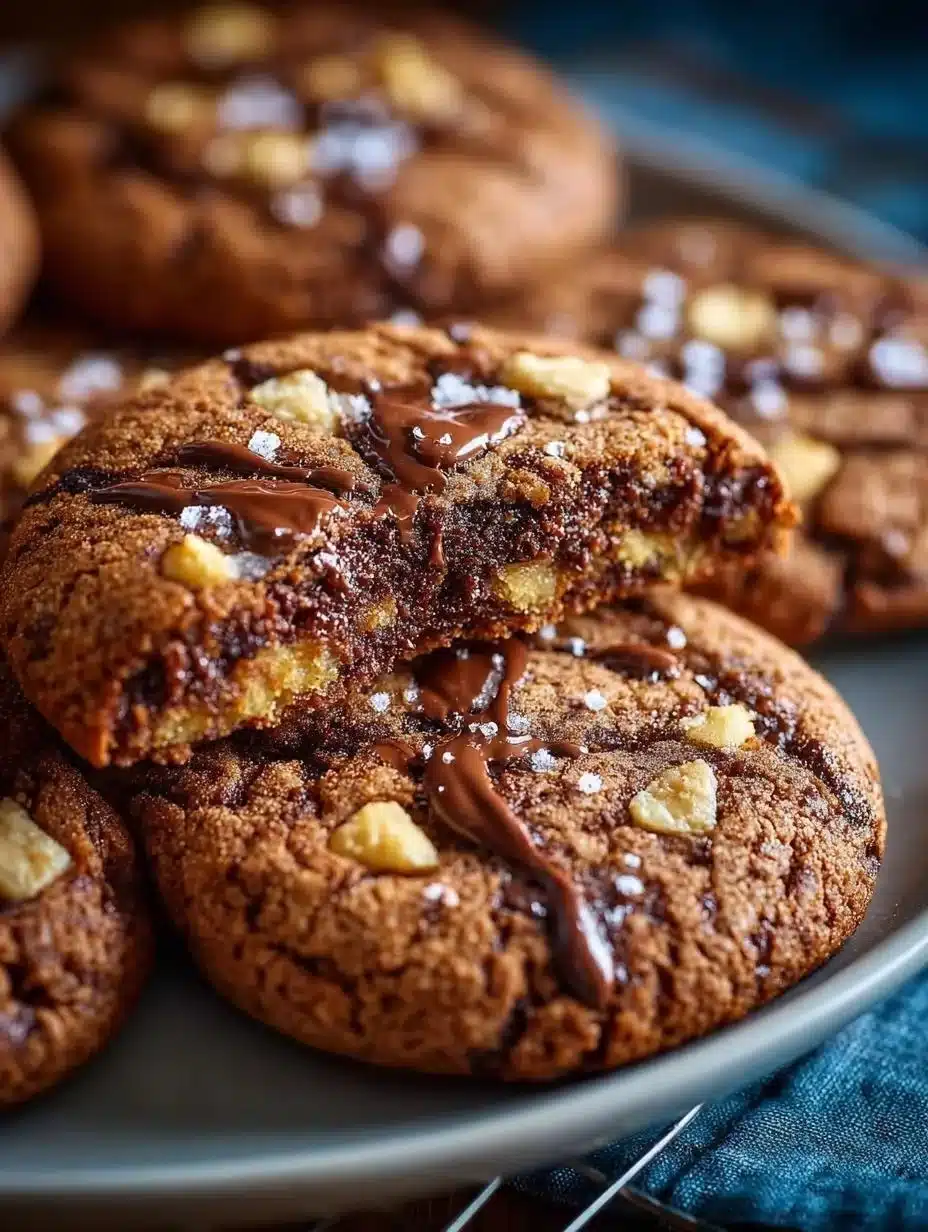
Traditional Nutella Cookies guide
Nutella cookies are one of those comfort-bake wonders that feel both familiar and a little indulgent — warm, hazelnut-chocolate pockets that melt on the tongue. This Traditional Nutella Cookies guide walks you from the origins and theory behind these cookies to practical recipes, troubleshooting, and advanced techniques so you can make them confidently in any kitchen.
By the end of this guide you will understand the history and chemistry behind Nutella cookies, know multiple reliable methods (from beginner-friendly to chef-level), be able to adapt for allergies and flavor preferences, and have a go-to troubleshooting checklist. Whether you’ve never baked cookies before or you want to perfect a stuffed, molten-centre version, this is your reference.
(If you want an extra holiday twist after trying Nutella cookies, see this candy-cane cookie idea: holiday cookies inspiration.)
Background & Context
Nutella’s story begins in the mid-20th century with Italian confectionery traditions. The practice of blending chocolate with hazelnuts (gianduja) dates back to Turin in the 1800s, and during the resource-scarce years after World War II, manufacturers created cheaper chocolate spreads by adding hazelnuts. The product branded as Nutella emerged in the 1960s and quickly spread worldwide as a pantry staple.
When we talk about the Authentic Nutella Cookies origin, we’re blending two histories: the heritage of gianduja-based spread and the more recent viral recipes that use Nutella as the star ingredient. Classic home-bakers adapted cookies to take advantage of Nutella’s intense flavor and spreadable texture. The result is a set of approaches—some that rely only on Nutella and eggs (no additional flour), others that use Nutella as part of a standard cookie dough.
Nutella cookies are culturally relevant because they bridge home baking nostalgia and modern simplicity. They’re easy to scale for gatherings, adaptable to dietary needs, and appeal to a wide age range. If you enjoy experimenting with textures, try pairing the Nutella cookie technique with a cheesecake-stuffed approach for an extra creamy center: cheesecake-stuffed cookies technique.
Why This Approach Works
This guide focuses on understanding ingredients and technique rather than rigid prescriptions. There are multiple successful ways to make Nutella cookies; what matters is how those ways manipulate moisture, fat, and structure.
- Clarity: Each method explains what Nutella contributes (fat, sugar, emulsifier, flavor) and what you must supplement (flour, eggs, leavening).
- Flexibility: You’ll get a no-fuss approach for busy cooks and more controlled recipes for bakers who want precise texture and appearance.
- Real-life usefulness: Methods include quick 3-ingredient recipes for instant gratification and more advanced stuffed or sandwich cookies for events or gifting.
Common doubts — like “Is Nutella too runny to hold a cookie?” or “How do I make molten centers without raw eggs?” — are addressed with practical swaps and temperature-based techniques so you can choose what suits your kitchen and skill.
Core Concepts Explained
To bake reliably you must understand what each component does in a Nutella-based cookie.
- Nutella: Provides fat, sugar, hazelnut flavor, and some emulsifiers. It adds moisture and richness, so recipes either reduce other fats or add more dry structure.
- Flour: Supplies structure. The amount and type of flour control cake-like vs. chewy textures.
- Eggs: Bind ingredients, add moisture and structure; yolks add fat and tenderness, whites add chew and lift.
- Leavening (baking powder/soda): Controls spread and internal aeration; soda reacts with acidic components, powder is single-ingredient lift.
- Sugars: Balance sweetness and affect spread. Nutella already brings sugar — adjust added sugar accordingly.
- Temperature & chilling: Cold dough resists spread, producing tall cookies. Warmer dough spreads more and can emphasize cracks.
Examples and alternatives:
- No-flour, 3-ingredient recipes: Nutella + egg + flour substitute (or even no flour) create fudgy cookies. They’re quick but fragile and best eaten fresh.
- Classic dough: Nutella plus butter, sugar, egg, and flour behaves like standard cookies but with an added hazelnut profile.
- Stuffed approach: Freeze Nutella dollops and wrap them in dough to create molten centers without under-baking the entire cookie.
For different textural goals, you can swap some all-purpose flour for bread flour (chewier) or cake flour (tender). If you need gluten-free options, a 1:1 gluten-free blend with xanthan gum is the simplest substitute.
(For techniques on rolling swirl doughs and handling delicate doughs, you might find these swirl cookie ideas useful: swirl techniques and examples.)
Tools, Resources, or Foundations
Essentials:
- Accurate scale (grams preferred): Consistency comes from weight, not volume.
- Oven thermometer: Many baking issues trace to oven temperature errors.
- Cookie scoop and silicone baking mats: Uniform cookies and nonstick surfaces.
- Cooling rack: Prevents sogginess as cookies cool.
Optional enhancements:
- Stand mixer with paddle attachment: Faster mixing and better creaming control.
- Mini ice cream scoop: For consistent dough balls.
- Small piping bags or spoons for stuffing.
Budget-friendly alternates:
- Use a handheld mixer instead of a stand mixer.
- Parchment paper instead of silicone, or well-greased trays if neither is available.
- Measure with graduated cups and spoons if you don’t have a scale — but be aware of increased variance.
Quick note on ingredients: If you want bakery-level crisp edges, use part white sugar and part brown sugar. Brown sugar retains moisture and gives chew; white sugar encourages spread and crispness. For a dessert-oriented approach to techniques and flavors, consider planning cookie batches alongside other seasonal cookies like eggnog-flavored treats for variety: festive spice reference.
Step-by-Step Process
Below are two main paths: Beginner (fast, forgiving) and Advanced (control, presentation). Time estimates assume room-temperature ingredients unless specified.
Beginner: Three-Ingredient Nutella Cookie (30–40 minutes total)
- Preheat oven to 350°F (175°C). Line a baking sheet with parchment.
- Measure 1 cup Nutella, 1 large egg, and 1 cup all-purpose flour. Mix Nutella and egg, then fold in flour until just combined (5–7 minutes).
- Scoop tablespoon-sized balls onto the sheet, spacing 2 inches. Flatten slightly if desired.
- Bake 8–10 minutes until edges set but centers remain soft. Cool 5 minutes on sheet, then transfer to rack.
Note: This is a fast method; cookies will be fudgy. Common mistake: overbaking makes them dry — pull when centers look slightly underdone.
Advanced: Classic Nutella Chocolate Chip Cookies (75–90 minutes with chilling)
H3 — Prep & Dough
- Weigh ingredients: 2 cups all-purpose flour, 1 tsp baking soda, 1/2 tsp salt; 1/2 cup unsalted butter (softened), 1/2 cup Nutella, 3/4 cup brown sugar, 1/4 cup granulated sugar, 1 large egg, 1 tsp vanilla, 1 cup chocolate chips.
- Whisk dry ingredients; in a mixer cream butter and sugars ~2–3 minutes until light. Add Nutella and beat until incorporated.
- Add egg and vanilla, mix; fold in dry ingredients until just combined, then fold in chocolate chips (15–20 minutes total prep).
H3 — Chill & Bake
- Chill dough 30–60 minutes: colder dough spreads less.
- Preheat oven to 350°F (175°C). Portion dough with a 1.5-tablespoon scoop.
- Bake 10–12 minutes until edges are set and centers still soft. Cool on baking sheet 5 minutes then move to rack.
Time breakdown: Prep 20–30 minutes, chill 30–60 minutes, bake multiple batches 10–12 minutes each.
Common mistakes + avoidance:
- Too much Nutella: dough becomes slack and spreads excessively. Fix: add 1–2 tablespoons flour or chill longer.
- Under-measured flour: weigh flour or spoon-and-level to avoid dry, crumbly dough.
- Overbaking: stops the internal melting and leads to dryness — aim for slightly underdone centers for a soft result.
Pro tips:
- Freeze small Nutella dollops on a silicone sheet to make stuffed molten cookies without mess.
- For an extra nut-crunch, toast and chop hazelnuts and fold in during the last mix stage.
- Use a light dusting of sea salt after baking to balance sweetness.
(If you want oven calibration or time-test practices beyond cookie recipes, see this method for testing bake times: baking time tests and tips.)
Expert Techniques & Insights
Once you’ve mastered basic methods, these techniques elevate quality and consistency.
- Temperature management: Warm dough spreads faster. If a recipe is spreading too much, chill dough for 15–30 minutes or reduce Nutella slightly.
- Freeze-stuffing: Pipe small Nutella mounds onto parchment and freeze solid. Wrap chilled or room-temperature dough around each frozen dollop and bake — the frozen center delays melting and gives a molten heart without under-baking the exterior.
- Layered textures: Combine two dough textures (soft Nutella core and crisp outer dough) by rolling a thin crisp cookie dough around a thicker Nutella-based dough.
- Brown butter + Nutella: Brown butter adds nutty, caramelized depth that complements hazelnut. Cool browned butter before incorporating to avoid melting the Nutella.
- Stabilizers: For very soft doughs, 1–2 teaspoons cornstarch can yield cakier, softer cookies with a tender bite.
- Advanced plating: Use a short bake then torch the top lightly to create crackled sugar texture; pair with a small quenelle of chilled Nutella-whipped cream.
Lessons learned:
- Small ingredient tweaks change texture predictably; experiment with weight-based adjustments (10–15 g flour difference) rather than eyeballing.
- Consistency beats perfection: uniform scoops and consistent bake times produce the best bakery-like results at home.
Variations & Adaptations
Nutella cookies are remarkably adaptable.
- No-flour fudgy cookies: Nutella + egg + optional cocoa powder or a small amount of flour for stability.
- Thumbprint or jam-swirl: Make small wells in cookie centers after baking and fill with nutella or jam for a hybrid cookie.
- Sandwich cookies: Pipe Nutella between two thin cookies; chill to set and dust with cocoa.
- Vegan: Swap egg for flax egg (1 tbsp ground flax + 3 tbsp water per egg) and use a vegan Nutella alternative or a homemade hazelnut-chocolate spread.
- Gluten-free: Use a 1:1 GF flour with xanthan gum. Expect slightly different chew; adjust by adding 1 tbsp milk or oil if too dry.
- Cultural fusion: Incorporate spices like cardamom or orange zest for Mediterranean flair, or add espresso powder for depth.
- Seasonal pairings: Match with flavors from other cookies like cinnamon-roll inspired glazes or pineapple notes for a tropical twist — try adapting techniques from these variations for inspiration: seasonal cookie ideas.
Skill-level adaptations:
- Beginner: Stick to the 3-ingredient method and practice scoop uniformity.
- Intermediate: Use the classic dough with chocolate chips and chilling.
- Advanced: Master stuffing, brown butter integration, and layered textures.
Analysis & Benefits Breakdown
Below is a quick comparison of common Nutella cookie approaches to help you choose the best method for purpose.
| Method | Texture | Ease | Time | Strengths | Limitations |
|—|—:|—:|—:|—|—|
| 3-Ingredient (Nutella + egg + flour) | Fudgy | Very easy | 30–40 min | Fast, minimal ingredients, great flavor | Fragile, less structure, best fresh |
| Classic flour-based + Nutella | Chewy or crisp (adjustable) | Moderate | 75–90 min (incl. chilling) | Balanced texture, holds add-ins, scalable | Requires more steps and chilling |
| Stuffed/melt-in-center | Soft exterior, molten core | Advanced | 90+ min (prep frozen cores) | Show-stopping presentation, controlled molten center | Technique-sensitive, longer prep |
| Vegan/GF adaptations | Variable | Moderate | Similar to classic | Inclusive, adaptable | May need ingredient tuning for texture |
Strengths of Nutella-centric cookies include intense flavor, familiar pantry ingredients, and broad appeal. Limitations involve Nutella’s high fat and sugar making structure trickier in some recipes; controlled additions (flour, eggs, chill) fix most issues.
Preparation, Retention & Long-Term Use
Preparation:
- Read the full recipe through before starting. Gather and weigh ingredients first.
- If stuffing, prepare frozen Nutella centers the night before to save active time.
Retention & reuse:
- Store cookies in an airtight container at room temperature for 2–3 days.
- For longer storage, freeze baked cookies for up to 3 months; reheat gently (oven 300°F/150°C for 5–8 minutes) to refresh texture.
- Freeze dough balls on a tray until firm, then transfer to a bag. Bake directly from frozen, adding 1–2 minutes to baking time.
Longevity of skills:
- Basic techniques transfer to many cookie recipes — balancing fat, sugar, flour, and temperature is a reusable framework.
- The ability to diagnose spread, chewiness, and bake doneness will improve quickly with practice and scale into pastry techniques beyond cookies.
Troubleshooting & Common Problems
Problem → Cause → Solution
- Cookie spreads too thin → Too much fat or warm dough → Chill dough 30 minutes; reduce Nutella by 1–2 T.
- Cookie is dry/crumbling → Too much flour or overbaked → Decrease flour slightly; remove from oven earlier.
- Cookie flat with oily surface → Nutella separation or overmixing → Use slightly less Nutella; briefly re-whisk to recombine or add 1 T flour to absorb excess oil.
- No molten center → Nutella fully melted during bake → Freeze centers before stuffing; reduce bake time slightly.
- Cookie interior raw but exterior done → Oven temperature too high or too large cookies → Lower oven by 10–15°F and lengthen time; use smaller scoops.
- Bitter or burnt flavor → Overbaked or burnt chocolate chips → Shorten bake time and use quality chips; avoid very high dash broil.
Keep a baking log: note time, temp, scoop size, and results. That small habit reduces repeated errors.
FAQ Section
Are Nutella cookies safe to make with just Nutella and eggs?
Yes. Many 3-ingredient recipes use Nutella, egg, and flour (or no flour). Use fresh eggs and bake to a safe internal temperature (eggs in cookies are generally safe when baked). If avoiding eggs, see vegan substitutions.Can I use homemade hazelnut spread instead of Nutella?
Absolutely. Homemade spreads may have different fat/sugar ratios. Expect small texture tweaks; adjust with a tablespoon of flour if dough seems slack.How do I get a molten center without under-baking the outside?
Freeze small Nutella dollops and encase them in dough. The frozen center delays melting so the outside sets first while the center softens.Why do my cookies spread more on one tray than another?
Oven hot spots or different sheet materials cause variance. Use an oven thermometer and rotate pans halfway through baking.Can I make the dough ahead of time?
Yes. Chill dough for up to 3 days or freeze balls for 3 months. Bake from chilled or frozen adding extra 1–2 minutes as needed.How do I make Nutella cookies crisp instead of chewy?
Increase white sugar relative to brown sugar, flatten dough balls before baking, and bake slightly longer at the same temperature.Are these cookies suitable for gifting?
Yes. For gifting, use the classic or sandwich styles, package with parchment, and consider a short shelf-life label if no preservatives are used. Freeze extras for future care packages.What’s the best way to scale recipes for large batches?
Weigh ingredients and multiply by batch size. Use baking sheets that allow spacing and prepare several sheets in advance. Consider mixing in a stand mixer for consistency.
Related Topics & Next Steps
Once you’ve mastered Nutella cookies, natural next skills include:
- Cookie sandwich assembly and ganache filling.
- Tempering chocolate for shiny, crisp chocolate decorations.
- Creating layered cookie textures and hybrid pastries.
For inspiration on fusing cookies with other dessert ideas, explore seasonal and creative cookie concepts like pineapple upside-down shapes — techniques there can inform presentation and glaze ideas: presentation and glaze inspiration.
Quick Reference Summary
- Nutella contributes fat, sugar, and intense flavor; balance with flour and eggs.
- Beginner: 3-ingredient method — quick and fudgy.
- Intermediate: Classic dough with chilling — chewier, consistent.
- Advanced: Freeze-stuffed cores and brown butter for professional results.
- Troubleshoot by adjusting Nutella amount, chilling, and bake time.
- Store baked cookies at room temp 2–3 days; freeze for longer storage.
Conclusion
You now have a single, practical reference that explains the Classic Nutella Cookies history, the Authentic Nutella Cookies origin context, and multiple reliable approaches from quick 3-ingredient bakes to advanced stuffed cookies. For hands-on, tested recipes that complement the techniques in this guide, try the viral 3-ingredient method at this detailed recipe for 3 Ingredient Nutella Cookies – Gemma’s Bigger Bolder Baking and a well-tested classic chocolate-chip style Nutella recipe at Nutella Cookies – Sugar Spun Run.

Traditional Nutella Cookies
- Total Time: 40 minutes
- Yield: 24 cookies 1x
- Diet: Vegetarian
Description
Indulgent Nutella cookies with a warm hazelnut-chocolate flavor that melt in your mouth.
Ingredients
- 1 cup Nutella
- 1 large egg
- 1 cup all-purpose flour
- 1/2 cup unsalted butter (softened)
- 3/4 cup brown sugar
- 1/4 cup granulated sugar
- 1 tsp baking soda
- 1/2 tsp salt
- 1 tsp vanilla extract
- 1 cup chocolate chips
Instructions
- Preheat oven to 350°F (175°C) and line a baking sheet with parchment paper.
- Mix Nutella and egg in a bowl, then fold in flour until just combined.
- Scoop tablespoon-sized balls onto the sheet, spacing them 2 inches apart and flatten slightly.
- Bake for 8–10 minutes until edges are set but centers are soft.
- Cool on baking sheet for 5 minutes, then transfer to a rack.
- For advanced cookies, whisk dry ingredients, cream butter and sugars, and add Nutella until just combined, then fold in chocolate chips.
- Chill dough for 30–60 minutes before baking for best texture.
Notes
Chill your dough to prevent spread and ensure cookies are chewy. Use a mix of white and brown sugars for optimal texture.
- Prep Time: 30 minutes
- Cook Time: 10 minutes
- Category: Dessert
- Method: Baking
- Cuisine: Italian
Nutrition
- Serving Size: 1 cookie
- Calories: 180
- Sugar: 12g
- Sodium: 150mg
- Fat: 8g
- Saturated Fat: 4g
- Unsaturated Fat: 3g
- Trans Fat: 0g
- Carbohydrates: 25g
- Fiber: 1g
- Protein: 3g
- Cholesterol: 15mg