
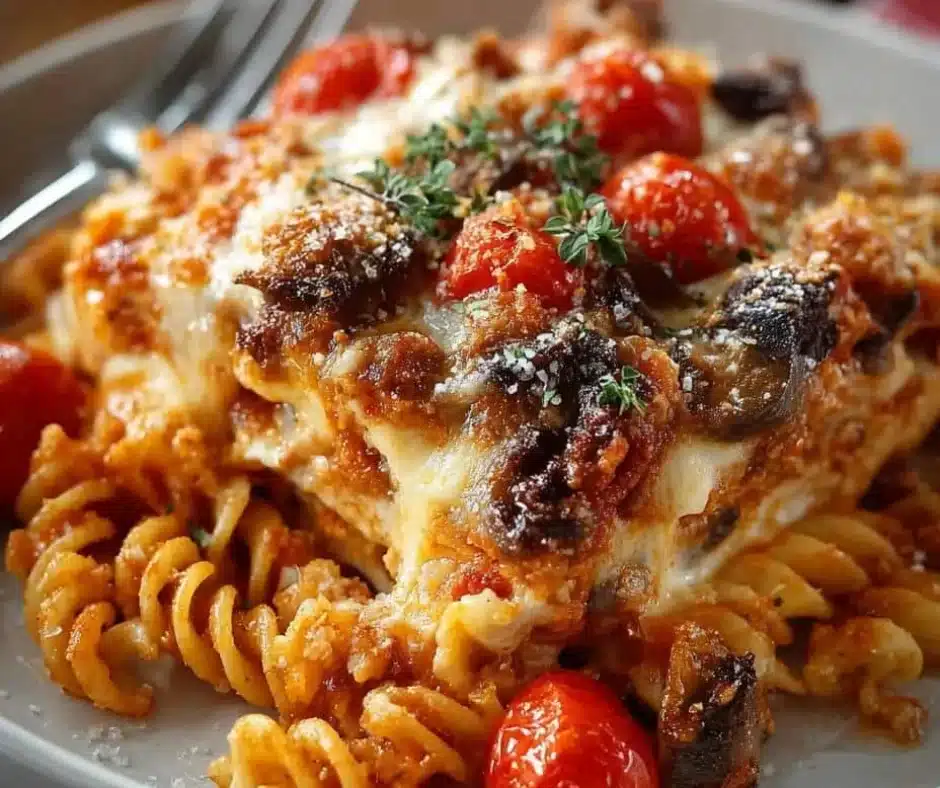
Traditional Johnny Marzetti Casserole guide
If you grew up in the Midwest or have family recipes passed down through church suppers and potlucks, the name Johnny Marzetti likely rings a bell. This guide is a deep, practical walk-through of the dish — from its authentic roots to modern adaptations — designed to turn curiosity into confident, repeatable results. By the end you’ll understand the casserole’s history, core techniques, time-saving shortcuts, and tasty variations you can tailor to your kitchen.
What you will gain: a clear origin story that explains why Johnny Marzetti works, step-by-step recipes and timing, troubleshooting for common failures, advanced tips for texture and flavor, and resources to keep experimenting. If you’re new to casseroles, this will be an accessible primer; if you’re experienced, it’ll sharpen technique and expand options.
For inspiration beyond this recipe, consider how other comforting layered bakes work — for example a reliable make-ahead breakfast casserole shows similar principles for planning and reheating.
Background & Context
The "Authentic Johnny Marzetti Casserole origin" traces back to Columbus, Ohio in the early 20th century. It’s attributed to an Italian-American restaurateur’s wife, who served a simple baked pasta-meat-tomato dish to hungry diners. Over decades it moved into home kitchens as an economical family dish.
Culturally, Johnny Marzetti sits with other Midwestern comfort casseroles: easy to scale, forgiving of substitutions, and ideal for leftovers or potlucks. Its practical relevance endures because it balances pantry staples — pasta, ground meat, canned tomatoes, cheese — into a cohesive, satisfying meal.
A personal note: many cooks learn Johnny Marzetti as an entry point to layering flavors and textures in the oven. Mastering it teaches timing, sauce-to-pasta ratios, and how cheese behaves under heat — skills you’ll reuse in dishes like a cheesy baked potato, chicken & broccoli casserole.
Why This Approach Works
This guide emphasizes structure over strict rules. That’s because Johnny Marzetti is less a rigid recipe and more a formula: starch + protein + tomato + cheese + bake. Understanding the formula helps you adapt without losing the dish’s character.
Benefits:
- Accessibility: ingredients are common and inexpensive.
- Flexibility: proteins, cheeses, and seasonings can be swapped easily.
- Reliability: the casserole feeds many and reheats well.
Addressing doubts:
- “Isn’t it just spaghetti in a casserole?” Not quite. The technique for binding, layering, and finishing determines whether the final texture is cohesive or watery. This guide explains the why behind those steps.
- “Can it be healthy?” Yes — portion control, lean proteins, whole-grain pasta, and added vegetables make it balanced without losing comfort.
Core Concepts Explained
Break the dish into components and learn each role.
- Starch: usually elbow macaroni or small tubular pasta. It provides body and soaks up sauce.
- Example: elbow versus penne — elbows pack tightly; penne gives more sauce pockets.
- Protein: traditionally ground beef, but ground turkey, sausage, or shredded chicken also work.
- Substitution tip: swap half the meat for diced mushrooms to reduce cost and increase umami.
- Sauce: tomato-based, often with a can of diced tomatoes or a quick marinara. A thicker sauce prevents casserole sogginess.
- Simplification: use a can of condensed tomato soup for a creamier, milder result.
- Binder: cheese (cheddar or mozzarella) and sometimes an egg mixed into the pasta to ensure slices hold shape.
- Example: a beaten egg folded into the pasta helps hold neat squares when serving.
- Finish: extra cheese on top, breadcrumbs, or a short broil to brown the surface.
Alternatives and substitutions:
- Pasta → whole-wheat or gluten-free pasta (adjust pre-cooking time).
- Protein → lentils or beans for a vegetarian version (increase seasoning).
- Cheese → a melty blend (cheddar + mozzarella) or a sharper cheese (Gruyère) for complexity.
Tools, Resources, or Foundations
Essentials:
- 9×13-inch baking dish (the standard for crowd-sized casseroles).
- Large pot for boiling pasta.
- Skillet for browning meat and building sauce.
- Measuring cups, wooden spoon, and oven mitts.
Optional enhancements:
- Food thermometer for precise reheating.
- Immersion blender to smooth chunky sauce.
- Cheese grater for freshly shredded cheese; it melts better than pre-shredded.
Budget-friendly or beginner alternatives:
- If you lack a 9×13 dish, two smaller dishes work.
- Use canned diced tomatoes and boxed pasta if fresh isn’t available.
- A skillet that goes from stovetop to oven is handy, but not required.
Commentary on usefulness:
The few tools needed make Johnny Marzetti ideal for a kitchen with limited equipment. Prioritize a good skillet and a dependable oven.
For creative cross-references on how layering works with unexpected ingredients, see this savory bacon cheeseburger casserole recipe — it uses the same assembly logic to transform flavors.
Step-by-Step Process
Below is a reliable progression to produce a classic, well-textured Johnny Marzetti. Times are approximate for a standard home oven.
Prep (10–15 minutes)
- Preheat oven to 350°F (175°C).
- Bring a large pot of salted water to a boil for pasta.
- Chop onions, garlic, or vegetables; measure cheese.
Cook the pasta (8–10 minutes)
- Boil pasta to 1–2 minutes shy of al dente; it’ll finish cooking in the oven.
- Drain and toss with a small amount of oil to prevent sticking.
Build the sauce (10–15 minutes)
- Brown ground beef (or protein) in a skillet with chopped onion and garlic.
- Drain excess fat if necessary to keep sauce from being greasy.
- Add tomatoes (canned/diced or tomato sauce), a splash of broth, and seasonings (salt, pepper, oregano).
- Simmer 5–10 minutes to meld flavors and thicken.
Combine and bind (5–10 minutes)
- In a large bowl, mix drained pasta, sauce, and half the cheese.
- Optional: beat one egg and stir in for firmer slicing.
- Taste and adjust seasoning.
Assemble and bake (25–35 minutes)
- Spread mixture into a greased 9×13-inch baking dish.
- Top with remaining cheese; sprinkle breadcrumbs if desired.
- Bake uncovered at 350°F until bubbly and cheese is melted and browned in spots (~25-35 minutes).
Rest and serve (10 minutes)
- Let the casserole rest to set (this helps cleaner portions).
- Serve with a simple salad or steamed vegetables.
H3: Timing and batch planning
- Active time: about 35–45 minutes.
- Total time: 1 hour including bake and rest.
- Make-ahead: assemble up to the baking step, refrigerate up to 24 hours, then bake an extra 5–10 minutes.
Common mistakes + how to avoid them:
- Mistake: watery casserole. Cause: under-reduced sauce or overcooked, water-logged vegetables. Solution: simmer sauce longer; use drained, drier veggies.
- Mistake: dry casserole. Cause: too much pasta or overcooked protein. Solution: reduce pasta by 10–15% or add a splash of broth before baking.
- Mistake: bland flavor. Cause: insufficient seasoning or bland cheese. Solution: season in layers and use at least one flavorful cheese.
Pro tips:
- Salt pasta water well — it seasons the starch at its core.
- Brown meat slowly for better caramelization and depth.
- Freshly shredded cheese melts more cohesively than pre-shredded.
For a variant that layers deli flavors and uses similar reheating logic, look at this baked Reuben casserole which applies the same assembly and bake principles.
Expert Techniques & Insights
Advanced cooks can push texture and depth with a few targeted moves.
- Maillard layering: brown the meat in batches to avoid steaming and achieve more color. The browned bits (fond) deglaze with a splash of wine or broth for concentrated flavor.
- Sauce concentration: reduce the tomato mixture until it lightly coats a spoon. This prevents sogginess and intensifies taste.
- Cheese strategy: use a melty cheese for interior cohesion (Mozzarella) and a sharper cheese on top (Aged Cheddar) for flavor contrast.
- Crust control: for a crisp top, butter breadcrumbs and toast briefly before sprinkling; for an even crust, broil the last 1–2 minutes watching carefully.
- Texture contrast: fold in roasted vegetables (zucchini, eggplant) for roasted flavors and to introduce different mouthfeels.
Efficiency improvements:
- Double-batch the sauce and freeze half for faster future dinners.
- Use par-cooked frozen vegetables to speed prep without sacrificing texture.
Lessons learned:
- The dish tolerates experimentation, but the balance between sauce viscosity and pasta volume is non-negotiable for success.
- Small technique changes (draining, browning, resting) create major improvements in final result.
Variations & Adaptations
Johnny Marzetti thrives in many culinary contexts.
- Vegetarian version: replace meat with lentils, textured vegetable protein, or a medley of mushrooms + eggplant; boost umami with soy sauce or miso.
- Low-carb adaptation: substitute cooked cauliflower rice or thinly sliced zucchini in place of pasta; reduce baking time to avoid drying.
- International twists:
- Mexican-style: add cumin, chili powder, black beans, and pepper jack cheese.
- Mediterranean: add olives, capers, and feta; use orzo.
- Make-ahead and potluck-friendly: assemble in a disposable pan and bake on-site. For travel-friendly reheating, place in an insulated carrier to keep warm.
For playful sweet-salty texture combinations, you can take cues from casseroles like the cheesy broccoli pretzel casserole, which uses crunchy toppings to contrast melty interiors.
Skill-level adaptations:
- Beginner: follow a strict ingredient list and timing (no egg binder).
- Intermediate: try a homemade sauce and egg binder for cleaner slices.
- Advanced: experiment with layered cheeses and reduced sauces; finish under a broiler for professional browning.
Analysis & Benefits Breakdown
Compare common approaches and when to use them.
| Approach | Strengths | Limitations | Best use case |
|—|—:|—|—|
| Quick canned-sauce method | Fast, pantry-friendly | Less depth of flavor | Weeknight dinner |
| Homemade reduced sauce | Rich flavor, less watery | Time-consuming | Dinner guests, meal prep |
| Egg binder + par-cooked pasta | Clean slices, presentable | Slightly denser texture | Potlucks or buffet service |
| Veg-forward (lentils/mushrooms) | Lower cost, vegetarian | Different texture | Meatless meals |
Comparative insight:
- If your priority is flavor depth, simmer and reduce sauce. If speed is key, accept a lighter flavor and tighten seasoning later with a splash of vinegar or a pinch of sugar.
Considerations:
- Serving size: a 9×13 pan serves 8 comfortably; adjust portions for hungry eaters.
- Nutrition: add vegetables to increase fiber and bulk without many calories.
Preparation, Retention & Long-Term Use
How to plan and preserve this knowledge and the dish.
Preparation:
- Pre-chop and store vegetables in airtight containers for up to 2 days.
- Pre-cook and freeze portions of sauce in zip bags for up to 3 months.
Retention or reuse strategies:
- Keep a “casserole formula” note: pasta weight, protein weight, tomato volume, cheese ratio. Reuse that template for new combos.
- Practice once with the classic version; then create variations using one swap at a time to learn effects.
Longevity:
- Properly stored, chilled Johnny Marzetti keeps 3–4 days in the refrigerator.
- For longer storage, freeze baked portions in meal-sized containers for up to 3 months. Reheat from frozen at 350°F until internal temp reaches 165°F.
Practical reheating tips:
- Reheat covered with foil to preserve moisture; remove foil in the final 5 minutes to refresh the cheese crust.
- Add a splash of broth or water if reheating seems dry.
Troubleshooting & Common Problems
Problem → Cause → Solution (clear and reassuring)
- Soggy casserole → Sauce too thin or pasta overcooked → Reduce sauce longer; cook pasta 1–2 minutes less; drain well.
- Casserole falls apart when served → No binder, too much sauce → Stir in a beaten egg or extra cheese; allow rest time before cutting.
- Bland flavor → Underseasoned at multiple stages → Salt pasta water, season meat while browning, taste and adjust sauce.
- Greasy top → Excess fat from meat → Drain fat after browning; blot with paper towel.
- Burnt edges but undercooked center → Oven hot spots or too high heat → Rotate pan halfway through baking; lower oven temp slightly and increase bake time.
- Cheese doesn’t melt smoothly → Pre-shredded cheese contains anti-caking agents → Use freshly shredded cheese.
If something goes wrong, treat it as data: note what step produced the issue and adjust the next time. Most problems are fixable without starting over.
FAQ Section
Q1: What kind of pasta is best for Johnny Marzetti?
A1: Small shapes that hold sauce, like elbow macaroni or small shells, work best. They pack well and maintain structure.
Q2: Can I make Johnny Marzetti gluten-free?
A2: Yes — use a high-quality gluten-free pasta and slightly reduce liquid. Bake time is similar; check doneness by texture.
Q3: How do I keep the casserole from drying out when reheating?
A3: Reheat covered with foil and add a tablespoon or two of broth to restore moisture if needed.
Q4: Is layering necessary or should I mix everything together?
A4: Mixing ensures even distribution and is simplest. Layering can give a more structured presentation but isn’t required.
Q5: Can I assemble it the night before?
A5: Yes — assemble, cover tightly, and refrigerate up to 24 hours. Add 5–10 extra minutes to the baking time.
Q6: What is the best cheese for melt and flavor?
A6: A combination: mozzarella for meltability and sharp cheddar for flavor. Aged cheeses add complexity.
Q7: How do I scale the recipe up reliably?
A7: Keep ratios consistent: roughly 1 pound pasta : 1–1.5 pounds protein : 28–32 oz tomatoes : 2–3 cups cheese for a 9×13 pan.
Q8: Can this be frozen before baking?
A8: Yes. Assemble in a freezer-safe pan, freeze solid, then bake from frozen adding 10–20 minutes to the bake time.
Related Topics & Next Steps
If you enjoyed this guide, explore complementary dishes and skills:
- Learn layering and reheating techniques with other casseroles and make-ahead dishes.
- Practice sauce reduction and browning skills with simple stovetop recipes.
- Try casseroles that emphasize contrasting textures, like the savory bacon cheeseburger casserole recipe, to expand your palate.
Next steps:
- Make a classic version once, then choose one substitution and re-test.
- Document your preferred ratios and tweaks in a kitchen notebook for repeatability.
Quick Reference Summary
- Formula: pasta + protein + tomato + cheese + bake.
- Prep time: 15–20 minutes. Bake: 25–35 minutes. Rest: 10 minutes.
- Key techniques: brown meat well, reduce sauce, par-cook pasta, rest before serving.
- Common fix: reduce watery sauce or add an egg binder for slicing.
- Storage: refrigerate 3–4 days, freeze up to 3 months.
This short checklist is great for bookmarking and repeating the dish with confidence.
Conclusion & Engagement
You’ve now seen a full "Classic Johnny Marzetti Casserole history" and practical playbook — why it became a Midwestern staple, the science behind texture and flavor, and how to make it reliably well. For exact recipe measurements and two popular tested versions to use as starting points, consult the detailed recipes from trusted sources: try the comprehensive Simply Recipes Johnny Marzetti Casserole (Best Version!) for a refined home-cook adaptation, or the long-standing crowd-pleaser on Allrecipes’ Johnny Marzetti Casserole.
If you try a variation, save notes on timing, moisture, and cheese choices so the next bake is even better. Share your results, ask questions, or post your favorite tweak — I’m here to help you refine technique and deepen your casserole practice.
Traditional Johnny Marzetti Casserole
- Total Time: 45 minutes
- Yield: 8 servings 1x
- Diet: Meat and Dairy
Description
A classic Midwestern casserole featuring pasta, ground meat, tomato sauce, and cheese, perfect for potlucks and family dinners.
Ingredients
- 1 pound elbow macaroni
- 1 pound ground beef (or turkey, sausage, or chicken)
- 1 can (28 ounces) diced tomatoes
- 1 cup chopped onions
- 2 cloves garlic, minced
- 2 cups shredded cheese (cheddar or mozzarella)
- 1 egg (optional)
- Salt and pepper to taste
- 1 teaspoon dried oregano
- 1 tablespoon olive oil
- Breadcrumbs for topping (optional)
Instructions
- Preheat the oven to 350°F (175°C).
- Bring a large pot of salted water to a boil, then cook elbow macaroni until 1–2 minutes shy of al dente. Drain and toss with a bit of oil.
- In a skillet, brown the ground beef with chopped onions and minced garlic. Drain excess fat if needed.
- Add diced tomatoes, a splash of broth, and seasoning to the skillet. Simmer for 5–10 minutes.
- In a bowl, combine the cooked pasta, sauce, and half of the cheese. Optionally, stir in a beaten egg for binding.
- Spread the mixture in a greased 9×13-inch baking dish. Top with remaining cheese and breadcrumbs if desired.
- Bake uncovered for 25–35 minutes until bubbly and golden on top.
- Let the casserole rest for 10 minutes before serving.
Notes
This dish is versatile; swap proteins and cheeses as desired. A great option for leftovers or make-ahead meals.
- Prep Time: 15 minutes
- Cook Time: 30 minutes
- Category: Main Course
- Method: Baking
- Cuisine: American
Nutrition
- Serving Size: 1 serving
- Calories: 400
- Sugar: 6g
- Sodium: 600mg
- Fat: 18g
- Saturated Fat: 8g
- Unsaturated Fat: 8g
- Trans Fat: 0g
- Carbohydrates: 42g
- Fiber: 3g
- Protein: 22g
- Cholesterol: 70mg