
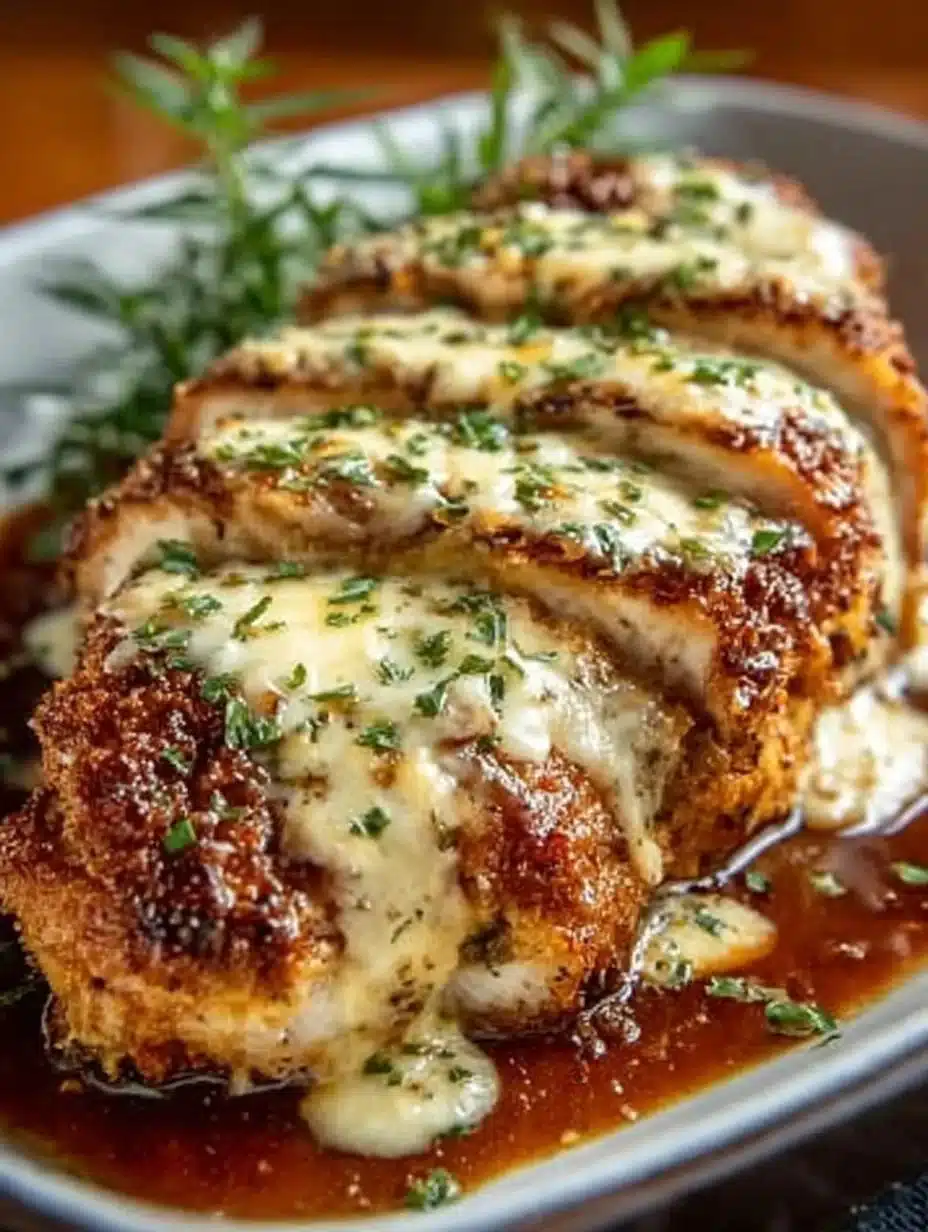
Traditional Chicken Romano guide — A Complete, Practical Reference
A bright, savory dish with a crisp crust and lemony finish, Chicken Romano rewards attention and technique. This Traditional Chicken Romano guide is written for cooks who want more than a recipe — you’ll learn the history, the why behind each step, and how to make the dish reliably every time. By the end you’ll be able to cook confidently, adapt for equipment and skill level, and troubleshoot like a pro.
Immediate value: this guide shows fundamentals through advanced techniques, explains why methods work, and gives practical substitutions and troubleshooting. If you want a dependable Classic Chicken Romano history, an Authentic Chicken Romano origin, or just a step-by-step kitchen mentor, you’re in the right place. For a quick variation using an air fryer while you read, see this air-fryer Parmesan-crusted version: https://easyblan.com/air-fryer-parmesan-crusted-chicken/.
Background & Context
Understanding where a recipe comes from clarifies how to adapt it respectfully and effectively.
Classic Chicken Romano history traces back to Italian-American kitchens, combining Italian flavors like Romano cheese and lemon with American pan-fried techniques. The name “Romano” highlights the use of Romano cheese — salty, sharp, and firm — which gives the crust its character. Over time the dish became a home-run weekday mainstay because it’s fast, flexible, and crowd-pleasing.
Authentic Chicken Romano origin is less about a single city and more about an immigrant-food evolution: Italian cheeses and olive oil married to quick-cook poultry methods in 20th-century American homes. This hybrid identity explains the dish’s flexibility and why cooks vary techniques and ingredients widely.
Practical relevance: Chicken Romano is ideal for weeknight dinners, scaled dinner parties, and meal prep. It teaches important culinary skills — pound-to-even-thickness technique, pan temperature control, and crust adhesion — that transfer to schnitzel, Milanese, and piccata.
If you’re also refining soups or sides to accompany the dish, this anti-inflammatory creamy chicken soup shows how to pair textures and flavors: https://easyblan.com/anti-inflammatory-creamy-chicken-soup-2/.
Personal note: When I teach this dish, cooks often say the first success is the biggest confidence booster — once you master the breading and pan technique, you’ll find other recipes easier.
Why This Approach Works
This guide prioritizes technique and reasoning over rote steps. That’s deliberate: when you understand the why, you can adapt without guessing.
- Predictable results: Techniques like even pounding and a two-stage coating (flour → egg → cheese) ensure even browning and a lasting crust.
- Efficient learning curve: Practice a few repeatable motions (pounding, dredging, pan handling) and you’ll cut prep time dramatically.
- Flexible to equipment: Whether you use a skillet, oven, or air fryer, the principles remain the same — adjust heat and timing rather than method.
Addressing common doubts:
- “Is breading hard to get right?” No — it takes repetition and consistent technique. The most frequent failures come from wet chicken or uneven heat.
- “Do I need special cheese?” Romano is traditional, but alternatives work. I’ll cover substitutions and why they change the result.
This approach favors accessible techniques that are resilient in real kitchens: simple tools, modest time investment, and clear failure modes you can fix.
Core Concepts Explained
Break the dish into digestible components so you can focus on learning one technique at a time.
Protein preparation
- Concept: Even thickness ensures even cooking.
- Action: Pound boneless chicken breasts to 1/2 inch thickness.
- Example: A 7–8 oz breast becomes a fast-cooking, tender cut when flattened.
Coating system
- Concept: Three layers build adhesion and texture.
- Steps: Seasoned flour → egg wash → Romano (or cheese mixture).
- Why: Flour binds to moisture, egg binds flour to cheese, and cheese forms a browning crust.
Heat control
- Concept: Medium-high skillet heat creates an immediate crust without overcooking.
- Signs: A properly heated pan will sizzle immediately; crust forms in 3–4 minutes per side.
Finishing and balance
- Concept: A squeeze of lemon and a finishing oil cut richness and lift flavors.
- Substitutions: Use white wine, capers, or a light pan sauce for variation.
Alternatives and simplifications:
- Shortcut: Use panko mixed with grated Romano for quicker crust formation.
- Gluten-free: Substitute rice flour or almond flour for the dredge.
- Dairy-free: Omit cheese; use seasoned crust with herbs and nutritional yeast for umami.
For a related example in balancing protein-centric dishes with bright sides, see this alternative creamy chicken soup approach: https://easyblan.com/anti-inflammatory-creamy-chicken-soup/.
Tools, Resources, or Foundations
Essentials
- Meat mallet or heavy skillet for pounding.
- Shallow dishes for dredging.
- Cast-iron or heavy-bottom skillet for even heat.
- Instant-read thermometer to test doneness.
Optional enhancements
- Microplane for fine Romano grating.
- Tongs and spatula for confident flipping.
- Oven-safe skillet for finishing thicker pieces.
Budget-friendly substitutions
- Use rolling pin or canned jar to flatten chicken if no mallet is available.
- Substitute any neutral oil with a high smoke point (canola, vegetable) for olive oil when frying.
- Pre-grated Romano works, but freshly grated has better melting and flavor.
Commentary on usefulness: Good tools accelerate learning but are not mandatory. You can achieve excellent results with basic kitchen equipment and careful technique.
If you want a turmeric-forward side or technique to broaden your flavor palette, read about this anti-inflammatory turmeric chicken soup: https://easyblan.com/anti-inflammatory-turmeric-chicken-soup/.
Step-by-Step Process
This section gives clear, timed steps. Expect about 30–45 minutes from start to finish for two servings.
Overview timeline
- Prep (pounding, seasoning, dredging): 10–15 minutes
- Pan-cooking: 6–10 minutes
- Resting and finishing: 5 minutes
- Total: 25–30 minutes (plus any sides)
H3: Prep and mise en place (10–15 minutes)
- Flatten: Place chicken between two sheets of plastic wrap or in a zip bag. Pound to 1/2-inch thickness.
- Season: Salt and pepper each side lightly; allow 10 minutes for salt to begin seasoning.
- Set up dredging stations: flour seasoned with salt and pepper; beaten eggs (or egg + splash milk); grated Romano mixed with breadcrumbs if desired.
Pro tip: Do all prep before heating the pan. Breading sticks best when the chicken is dry but not cold from the fridge.
H3: Breading (5 minutes)
- Lightly flour, shake off excess.
- Dip in egg wash, ensuring full coverage.
- Press into Romano mixture, covering the surface. Rest on a wire rack for 3–5 minutes to dry slightly.
Common mistake: Overloading the crust. Too-thick coating can separate during cooking. Aim for even, thin layers.
H3: Pan-cooking (6–10 minutes)
- Heat skillet over medium-high with 2 tablespoons oil until shimmering.
- Add chicken; cook undisturbed 3–4 minutes until golden.
- Flip and cook another 3–4 minutes. Internal temperature should read 160–165°F (71–74°C) depending on carryover.
- For thicker cuts, finish in a 375°F oven for 4–6 minutes.
Pro tip: Avoid crowding the pan; cook in batches if needed to maintain temperature.
H3: Finishing (2–3 minutes)
- Remove chicken to rest 3–5 minutes.
- Deglaze pan with a squeeze of lemon or splash of white wine to make a quick sauce.
- Spoon sauce over chicken and finish with fresh parsley and lemon zest.
Common mistakes + how to avoid them
- Pale crust: Pan not hot enough or too much moisture. Dry the chicken and increase heat.
- Burning: Oil smoke point too low; reduce heat or use a higher smoke point oil.
- Soggy crust: Overcrowding or flipping too early. Cook undisturbed and use a wire rack to rest.
For a contrast in textures and a fruit-forward side salad you can serve with Chicken Romano, see this Asian chicken cranberry salad idea: https://easyblan.com/asian-chicken-cranberry-salad-chicken-salad/.
Expert Techniques & Insights
Once you master the basics, these techniques raise the quality and efficiency of your Chicken Romano.
- Reverse sear for thicker breasts: Gently roast to 140°F, then pan-sear to form the crust. This avoids overcooked interior.
- Dry-brine: Season chicken and rest uncovered in the fridge for 1–3 hours; this tightens texture and improves flavor penetration.
- Layered crust textures: Mix fine-grated Romano with coarse panko for a crunchy exterior and bold cheese flavor.
- Temperature rhythm: Use an infrared thermometer or test oil by dropping a small breadcrumb — it should sizzle and brown in ~5 seconds.
Lessons from experience:
- Let the crust rest on a rack; this prevents sweat and sogginess.
- Use lemon zest in the crust sparingly; it can burn during high-heat cooking but adds brightness when used as finishing.
Efficiency tips:
- Bread multiple pieces and freeze on a tray before transferring to a bag for easy future meals.
- Make double batches of the Romano mixture for quick re-breading.
Variations & Adaptations
Adapt Chicken Romano for dietary needs, equipment, and cultural preferences.
- Oven-roasted: Coat and bake at 425°F for 12–18 minutes, flipping halfway for a lower-oil option.
- Air-fryer adaptation: Lightly spray crust and air fry at 375°F for 10–12 minutes, flipping once.
- Gluten-free: Use rice flour and crushed gluten-free crackers, or almond flour for a higher-fat crust.
- Dairy-free: Replace Romano with seasoned crushed nuts plus nutritional yeast for a savory crust.
- Piccata-style: After cooking, add capers and lemon-butter pan sauce for a zesty finish.
- Herb-forward: Add thyme, oregano, or rosemary to the cheese mix for Mediterranean notes.
Skill-level adaptations:
- Beginner: Pound thin, use thin breasts, stick to stovetop.
- Intermediate: Experiment with panko mixes and pan sauces.
- Advanced: Try reverse sear, sous-vide for precision, or integrate a flavored beurre monté.
Cultural flexibility: Pair with tomato-based pasta for Italian-American comfort or with citrus and roasted vegetables for lighter Mediterranean plates.
Analysis & Benefits Breakdown
Compare common methods so you can choose based on priorities like time, texture, and equipment.
| Method | Texture | Time | Equipment | Best for |
|—|—:|—:|—|—|
| Stovetop pan-fry (traditional) | Crisp exterior, tender interior | 25–30 min | Skillet | Quick weeknights |
| Oven-baked | Less oil, evenly cooked | 30–40 min | Oven, baking sheet | Health-conscious cooks |
| Air fryer | Crispy, low oil | 15–20 min | Air fryer | Small batches, quick |
| Reverse sear | Extremely tender interior | 45–60 min | Oven + skillet | Thick cuts, dinner parties |
| Sous-vide + sear | Precision texture | 90+ min | Sous-vide device | Advanced chefs |
Strengths, limitations, and considerations:
- Stovetop: Best crust formation; requires pan attention.
- Oven: More forgiving but less crisp without a rack and adequate heat.
- Air fryer: Excellent convenience, but capacity is limited.
- Advanced methods (sous-vide): Impeccable control, but time and gear increase.
Preparation, Retention & Long-Term Use
How to prepare effectively and retain these culinary skills for long-term use.
Preparation habits
- Mise en place: Set up dredging stations and preheat pan before starting.
- Batch prep: Double the crust mix and use for other proteins.
Retention strategies
- Practice the breading technique weekly until muscle memory forms.
- Keep a simple log: record pan temperature, timing, and outcomes briefly after each attempt.
Longevity of knowledge or skills
- Once learned, the flatten-dredge-sear sequence applies to many recipes (schnitzel, chicken Milanese, veal cutlets).
- Freezing pre-breaded cutlets is an efficient way to preserve technique and speed future meals.
Reheating and reuse
- Reheat on a wire rack in a 375°F oven for 8–10 minutes to preserve crispiness.
- Avoid microwaves, which soften the crust.
Troubleshooting & Common Problems
Problem → Cause → Solution
- Pale, soggy crust → Pan not hot or crowded → Increase heat, cook in batches; dry chicken before dredging.
- Crust falling off → Wet dredge or insufficient binding → Ensure flour layer is even; press cheese into egg layer; let rest on rack.
- Burnt exterior, raw interior → Too-high heat or too-thick chicken → Reduce heat or finish in oven; pound evenly.
- Overly salty crust → Pre-grated Romano may be saltier → Reduce added salt and taste the cheese.
- Stuck to pan → Insufficient oil or not heated enough → Preheat oil until shimmering; use enough to coat pan.
Each issue has a clear test: check pan heat, texture of dredge, and chicken thickness. Adjust one variable at a time.
FAQ
What cut of chicken is best for Chicken Romano?
- Boneless, skinless chicken breasts or thin cutlets are ideal for even cooking and quick preparation.
Can I use Pecorino Romano instead of Romano?
- Pecorino Romano is a sharper sheep’s-milk cheese; it works and increases saltiness. Adjust added salt accordingly.
How do I keep the crust crunchy after serving?
- Rest on a wire rack and serve immediately. For leftovers, reheat on a rack in the oven for best texture.
Is it okay to prepare the breaded chicken ahead of time?
- Yes: refrigerate up to 24 hours or freeze on a tray then transfer to a bag. Cook from frozen with a slightly longer time.
What’s a good pan sauce for Chicken Romano?
- Lemon, white wine, and a pat of butter with pan drippings. Add capers or parsley for brightness.
Can I make this gluten-free?
- Yes: use rice flour or finely ground almond flour and gluten-free breadcrumbs.
How can I make it healthier without losing flavor?
- Bake or air-fry instead of pan-frying; use a smaller amount of high-quality oil and finish with lemon and herbs.
What wine pairs well with Chicken Romano?
- A crisp Sauvignon Blanc or an unoaked Chardonnay complements the lemon and cheese notes.
Related Topics & Next Steps
Expand your skills by learning related techniques and dishes:
- Chicken Milanese and schnitzel — similar breading with regional differences.
- Piccata sauces — acidic finishes that pair beautifully with Romano crusts.
- Knife skills and pounding techniques — flattening proteins accurately.
- Stock and pan-sauce basics — how to use fond for quick sauces.
For complementary salads and sides ideas, explore more recipes and techniques as you grow your repertoire.
Quick Reference Summary
- Aim for 1/2-inch thickness for even cooking.
- Use a three-stage coating: flour → egg → Romano.
- Cook undistributed in a hot skillet for 3–4 minutes per side.
- Rest on a wire rack to preserve crispness.
- Finish with lemon and parsley; consider a quick deglaze for sauce.
Bookmark this section for quick recall during cooking.
Conclusion & Engagement
You now have a comprehensive Traditional Chicken Romano guide covering origins, core techniques, troubleshooting, and advanced options. Practice the core sequence (pound → dredge → sear) until the motions are automatic, then experiment with crust mixes, finishing sauces, and equipment to find your favorite version.
If you’d like ready-to-follow templates to compare timing and technique, try this concise Chicken Romano Recipe (35 Minutes) for a quick weekday plan: Chicken Romano Recipe (35 Minutes). For a cutlet-style crusted approach with slightly different flair, see this detailed guide: Crusted Chicken Romano Recipe (Cutlets) | Little Spice Jar.
What next? Try one variation this week, note what changed, and return to this guide for targeted troubleshooting. Share your results or questions — I’ll help you refine techniques and adapt the dish to your kitchen and taste.

Traditional Chicken Romano
- Total Time: 30 minutes
- Yield: 2 servings 1x
- Diet: Gluten-Free option available
Description
A bright, savory dish featuring a crisp crust and lemony finish, perfect for weeknight dinners and adaptable for various skill levels.
Ingredients
- 2 boneless, skinless chicken breasts
- 1 cup seasoned flour
- 2 eggs, beaten
- 1/2 cup grated Romano cheese
- 2 tablespoons olive oil
- Salt and pepper to taste
- Fresh parsley for garnish
- Lemon for squeezing
Instructions
- Pound chicken breasts to 1/2 inch thickness and season with salt and pepper.
- Set up your dredging stations: flour seasoned with salt and pepper, beaten eggs, and a mixture of Romano cheese and breadcrumbs.
- Dip each chicken breast in flour, then egg wash, and finally coat with the Romano mixture.
- Heat oil in a skillet over medium-high heat until shimmering.
- Add chicken to the skillet and cook for 3-4 minutes on each side or until golden and internal temperature reaches 160°F (71°C).
- Let the chicken rest for 3-5 minutes before serving.
- Finish by squeezing lemon juice over the chicken and garnish with fresh parsley.
Notes
For a quick sauce, deglaze the pan with lemon juice or white wine after removing the chicken.
- Prep Time: 15 minutes
- Cook Time: 15 minutes
- Category: Main Course
- Method: Pan-frying
- Cuisine: Italian-American
Nutrition
- Serving Size: 1 serving
- Calories: 350
- Sugar: 1g
- Sodium: 400mg
- Fat: 20g
- Saturated Fat: 5g
- Unsaturated Fat: 10g
- Trans Fat: 0g
- Carbohydrates: 20g
- Fiber: 1g
- Protein: 25g
- Cholesterol: 150mg