Traditional Chicken Caesar Salad guide: A definitive, practical masterclass
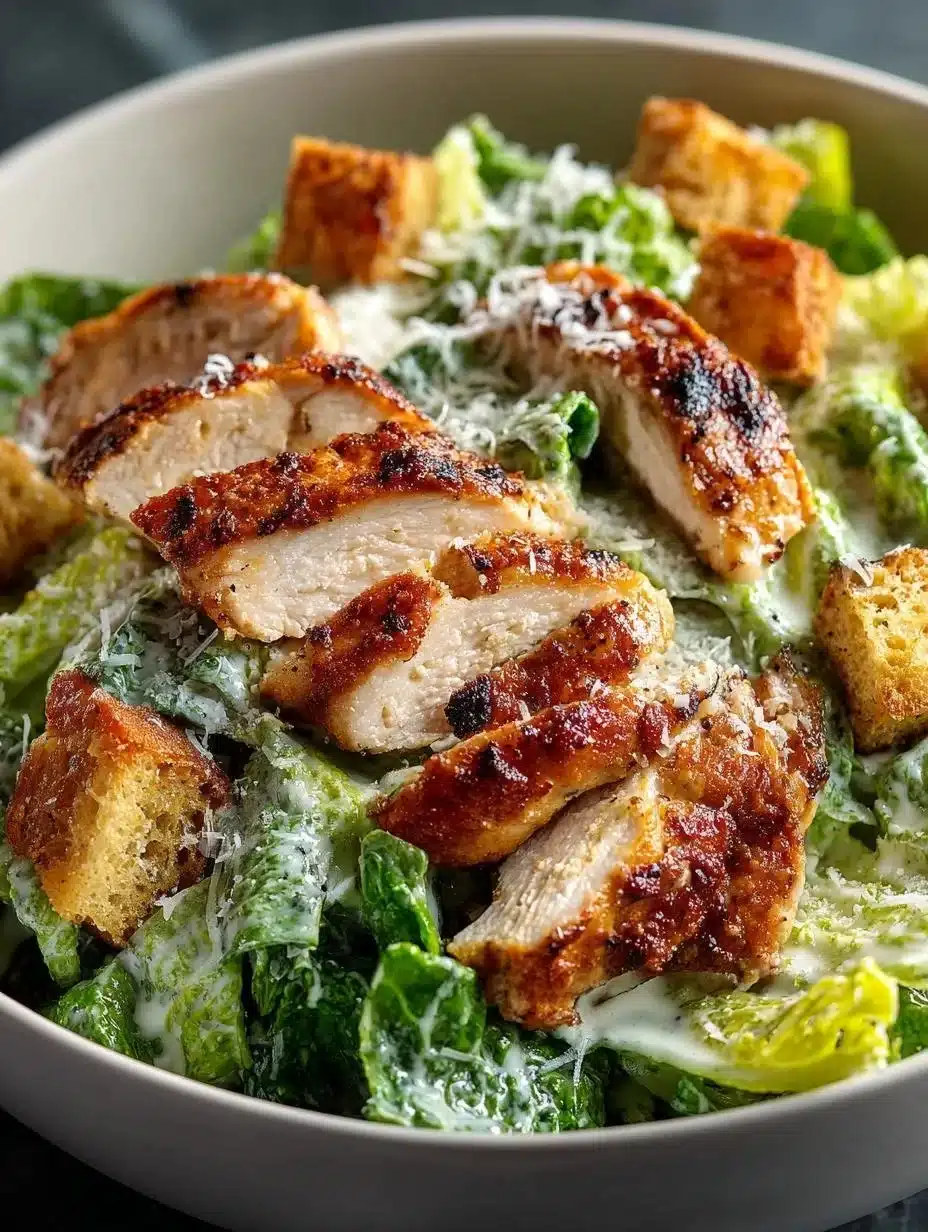
First sentence hook: The first bite of a perfectly balanced Chicken Caesar Salad—the crisp romaine, the salty bite of Parmesan, the creamy tang of dressing, and warm chicken—is one of those small, repeatable pleasures that rewards thoughtful technique.
This Traditional Chicken Caesar Salad guide is written for cooks who want to go beyond a takeout approximation and understand what makes a Caesar truly classic. Read on and you’ll gain practical step‑by‑step methods, sensible substitutions, pro tips, troubleshooting, and ways to expand the salad into meals and menus.
You will finish this guide able to:
- Build a Classic Chicken Caesar Salad from scratch (dressing, croutons, cooked chicken).
- Adapt the salad for dietary needs, timelines, and flavor preferences.
- Troubleshoot texture and seasoning problems confidently.
- Use the foundation to create variations and meal-scale adaptations.
If you like the idea of turning this into a composed dinner, consider pairing it with a warm pasta or a light side—see a pasta variation here: https://easyblan.com/chicken-caesar-pasta-salad/.
Background & Context
The Caesar salad commonly conjures images of romaine, croutons, Parmesan, and a creamy dressing anchored by anchovies or Worcestershire. But the story is richer and instructive.
Origins: The dish traces to Tijuana in 1924, created by Italian-American restaurateur Caesar Cardini. The original reportedly used whole Romaine leaves, a theatrical tableside preparation, and an emulsion of egg, oil, lemon, and Worcestershire. Over time, chicken and anchovies were added more routinely and croutons evolved from stale bread to purpose-toasted cubes.
Cultural relevance: The Classic Chicken Caesar Salad history mirrors American culinary evolution—immigrant innovation, improvisation in hospitality, and adoption into everyday home menus. It’s both casual and technical: simple ingredients demand precise technique.
Practical relevance: Understanding the Authentic Chicken Caesar Salad origin helps you prioritize emulsion (how the dressing holds), texture contrasts (crisp greens vs. crunchy croutons vs. tender protein), and seasoning. For ideas blending cuisines, explore related composed salads like the Asian cranberry or chicken salads here: https://easyblan.com/asian-chicken-cranberry-salad-chicken-salad/.
Personal note: I’ve watched dozens of cooks assume a Caesar is “easy” and end up with watery lettuce and an under-salted dressing. This guide breaks down the parts so every element sings.
Why This Approach Works
This guide focuses on technique over recipes—learning the "why" behind each step.
Benefits explained:
- Flavor balance: Anchored dressing, bright acid, and salty cheese create synergy. Knowing how to adjust each element lets you recover a flat or overly sour dressing.
- Texture engineering: Toasted croutons and dry, well-chilled romaine provide structure; cooked chicken adds satiety without masking fresh flavors.
- Reproducibility: Breaking tasks into components (dressing, croutons, chicken, assembly) makes the dish consistent and scalable.
Accessibility and flexibility:
- You can make a credible salad with common pantry items, or elevate it with fresh anchovies and a fresh-egg emulsion.
- Time-based options mean you can prepare most components ahead or do a quick assembly.
Addressing doubts:
- “Is raw egg safe?” Pasteurized eggs or coddled eggs minimize risk; or use mayonnaise-based emulsions for safety and convenience.
- “Do I need anchovies?” No—Worcestershire and Parmesan help replicate umami, but anchovies provide authentic depth.
For a note on different chicken presentations and grilling approaches suited to salads, check a grilled chicken reference: https://easyblan.com/grilled-chicken-and-corn-salad/.
Core Concepts Explained
Break the Caesar into four parts: greens, dressing, croutons, protein (chicken). Understand each to build a better salad.
- Greens — romaine and texture
- Why romaine? Leaves are sturdy, crisp, and slightly bitter, offering structure.
- Alternatives: Little gem or crunchy butterhead for a softer bite; kale for sturdier storage and chew.
- Dressing — emulsification, seasoning, and balance
- Core flavor players: acid (lemon), fat (oil), umami/salt (Parmesan, anchovy/Worcestershire), aromatics (garlic), and egg (emulsifier).
- Example: A classic emulsion uses raw egg yolk whisked with lemon and oil. Mayonnaise substitutes for convenience.
- Croutons — crunch and seasoning vehicle
- Technique: Cut bread into uniform cubes, toss in oil, season, bake until golden. Salt is critical; unseasoned croutons feel flat.
- Bread types: Day-old baguette, sourdough, or country loaf.
- Protein — chicken integration
- Purpose: Adds warmth, protein, and texture contrast.
- Best methods: Pan-seared breasts for caramelization, grilled for smoky notes, or roasted slices for ease.
Alternatives and substitutions:
- Egg: pasteurized yolk, mayonnaise, or silken tofu (for vegan).
- Anchovy: anchovy paste, fish sauce, or extra Parmesan + Worcestershire.
- Cheese: Pecorino Romano for a sharper saltiness.
Tools, Resources, or Foundations
Essentials:
- Sharp chef’s knife and cutting board.
- Large salad bowl (metal or ceramic).
- Whisk or small blender/immersion blender for dressing.
- Oven or skillet for croutons.
- Meat thermometer for accurately cooked chicken.
Optional enhancements:
- Mortar and pestle for garlic to control intensity.
- Microplane for freshly grated Parmesan.
- Sous vide for ultra-consistent chicken texture.
Budget-friendly alternatives:
- Use mayonnaise instead of raw egg if you lack pasteurized eggs.
- Toast croutons in a skillet if oven space is limited.
- Buy pre-grated cheese in a pinch, but freshly grated melts more evenly and tastes fresher.
Commentary: Tools matter less than technique. For an Asian-flavored take on chicken salads and ingredient ideas, review this salad resource: https://easyblan.com/asian-chicken-salad/.
Step-by-Step Process
Overview: This section gives a logical, time-optimized progression. Total active time ≈ 35–45 minutes (hands-on 25–30). Timings assume making dressing and croutons concurrently.
H3: Step 1 — Mise en place (10 minutes)
- Wash and dry romaine thoroughly. Drying is non-negotiable.
- Cube bread for croutons, zest lemons, measure oil and cheese.
- Flatten chicken for even cooking (if using breasts).
Pro tip: Use a salad spinner; towel-drying leaves increases dressing adhesion.
H3: Step 2 — Make croutons (15–20 minutes)
- Toss bread cubes with 2–3 tbsp olive oil, 1/2 tsp salt, pepper, and optional garlic powder.
- Bake at 375°F (190°C) for 10–12 minutes, tossing halfway, until golden.
- Cool on a rack to stay crisp.
Common mistake: Crowding the pan causes steaming and soggy croutons. Spread them in one layer.
H3: Step 3 — Prepare dressing (10 minutes)
- Classic emulsion: Whisk one egg yolk with 1 tbsp lemon juice, 1 tsp Dijon, 2–3 anchovy fillets (mashed), and 1 clove garlic (crushed). Slowly whisk in 1/3 cup olive oil until emulsified. Stir in 2 tbsp finely grated Parmesan, salt, and pepper to taste.
- Mayonnaise shortcut: Use 1/2 cup mayo, 1–2 tbsp lemon, 1 tsp Worcestershire, mashed anchovy optional, and 2 tbsp grated cheese.
Time-saving tip: Use an immersion blender or small food processor to make a more stable dressing in 1–2 minutes.
H3: Step 4 — Cook chicken (15–20 minutes)
- Season chicken with salt, pepper, and a light drizzle of oil.
- Pan-sear: Heat a skillet over medium-high, cook 5–7 minutes per side depending on thickness until 160–165°F, then rest.
- Grill: Over medium-high, 4–6 minutes per side. Let rest 5–10 minutes then slice.
Pro tip: Resting ensures juices redistribute, keeping the meat tender.
H3: Step 5 — Assemble (5 minutes)
- Tear or chop romaine into bite-size pieces and chill briefly if prefered.
- In a large bowl, add greens, 2–3 tbsp dressing, and toss to coat lightly.
- Add sliced chicken, croutons, and a generous shower of freshly grated Parmesan.
- Serve with extra dressing on the side.
Common mistakes + how to avoid them:
- Over-dressing: Add dressing gradually—stop when leaves are lightly coated.
- Warm chicken melting lettuce: Let chicken cool 1–2 minutes (still warm is ideal, not hot).
- Under-salted croutons or dressing: Taste each component.
Time estimates recap:
- Mise en place: 10 minutes
- Croutons: 10–12 minutes active, 0 passive
- Dressing: 5–10 minutes
- Chicken: 15–20 minutes
- Assembly: 5 minutes
Expert Techniques & Insights
Small changes deliver big improvements.
- Emulsification control: When whisking oil into yolk, add oil in a thin stream. If it breaks, whisk in a teaspoon of warm water to re-bind.
- Temperature management: Use chilled lettuce and warm (not hot) chicken to keep textures distinct.
- Layering flavors: Toast garlic briefly in oil for croutons to add depth rather than raw sharpness.
- Chef’s touch: Rub a halved garlic clove around the salad bowl before tossing; subtle garlic aroma enhances the dish without overpowering it.
Efficiency improvements:
- Make dressing and croutons ahead (dressing keeps 3–4 days refrigerated; croutons 2–3 days in an airtight container).
- Roast multiple chicken breasts at once and store for 3–4 days sliced for quick assemblies.
Lessons learned:
- Freshly grated cheese is non-negotiable for authentic texture and melt characteristics.
- Anchovy taste integrates into the dressing—if you can smell a fishy note, the anchovies haven’t dissolved enough.
Variations & Adaptations
The Caesar framework adapts well. These options help you apply the technique across settings.
- Weeknight quick: Use store-bought rotisserie chicken and mayonnaise-based dressing.
- Vegetarian: Omit anchovies and replace chicken with roasted chickpeas or grilled halloumi.
- Vegan: Use vegan mayo or blended silken tofu for the dressing, nutritional yeast for umami, and chickpea-based “parmesan.”
- Meal-scale: Bulk roast chicken and multiply croutons; keep dressing and lettuce separate until service.
Cultural or practical flexibility:
- Tropical twist: Add pineapple or macadamia nuts and swap citrus for dressing—see a Hawaiian-inspired approach here: https://easyblan.com/hawaiian-chicken-salad/.
- Deconstructed plating: Serve components separately for guests to build their salads.
Skill-level adaptations:
- Beginner: Use mayo-based dressing and pre-cooked chicken.
- Intermediate: Whisk yolk-based dressing and pan-sear chicken.
- Advanced: Use coddled egg yolk, confit anchovy paste, and sous-vide chicken for texture control.
Analysis & Benefits Breakdown
A clean comparison to clarify choices.
| Component | Traditional/Classic | Shortcut/Convenience | Strengths | Limitations |
|—|—:|—|—|—|
| Dressing base | Egg yolk + oil + anchovy | Mayonnaise shortcut | Authentic flavor, superior mouthfeel | Requires pasteurized eggs / skill |
| Chicken | Pan-seared/grilled | Rotisserie chicken | Fresh flavor, texture control | More time/attention |
| Croutons | Home-toasted from day-old bread | Store-bought croutons | Crispness, seasoning control | Storage needed |
| Cheese | Freshly grated Parmesan | Pre-grated | Better melt and aroma | Slightly more effort |
Interpretation: The traditional approach yields the highest quality with manageable effort. Shortcuts trade a bit of flavor or texture for convenience—use them intentionally.
Preparation, Retention & Long-Term Use
How to prepare effectively:
- Plan components: Make dressing and croutons in advance. Cook chicken the same day or slice pre-roasted chicken cold.
- Store smart: Keep dressing refrigerated in a sealed jar; croutons in an airtight container at room temperature; grilled or roasted chicken refrigerated in airtight containers.
Retention and reuse strategies:
- Use leftover dressing as a dip for vegetables or sandwich spread.
- Croutons can become breadcrumbs for later use if stale.
Longevity of skills:
- Mastering the emulsion and chicken cook techniques applies beyond Caesar—think aioli, mayonnaise, pan-seared proteins, and composed salads.
Troubleshooting & Common Problems
Problem → Cause → Solution
Watery lettuce → Cause: Not dried or dressing added to wet leaves → Solution: Thoroughly dry romaine; toss when leaves are dry; add dressing just before serving.
Broken dressing (separated) → Cause: Oil added too quickly or temperature shock → Solution: Slowly re-emulsify with a teaspoon of warm water or a fresh egg yolk; use an immersion blender.
Bland dressing → Cause: Under-salted or missing umami → Solution: Add a small chopped anchovy, Worcestershire, or extra grated Parmesan; re-taste.
Soggy croutons → Cause: Under-toasted or stored improperly → Solution: Toast longer in the oven, spread evenly; store cooled in airtight container.
Dry, overcooked chicken → Cause: High heat too long or no resting → Solution: Cook to 160–165°F then rest; brine thin breasts for 15–30 minutes before cooking for juiciness.
Too sharp garlic → Cause: Raw garlic left too long in dressing → Solution: Use a garlic paste or briefly smash and soak in lemon juice before using; or roast garlic for milder flavor.
Each fix aims to be achievable without special equipment and with minimal waste.
FAQ
- Do I need raw egg in the dressing?
- No. Use pasteurized egg yolks or mayonnaise to reduce risk. Raw provides a classic texture, but safety and comfort matter more.
- Can I make the salad ahead?
- Make croutons and dressing ahead. Keep lettuce chilled and assembly last-minute to preserve texture.
- What cheese is best?
- Parmigiano-Reggiano or Pecorino Romano—both grate fresh. Romano is saltier and sharper.
- How do I scale for a party?
- Multiply dressing and croutons. Hold greens and dressing separate; toss right before serving to prevent wilting.
- Anchovies are too strong—what can I use?
- Try Worcestershire sauce, anchovy paste (smaller increments), or extra Parmesan for umami without a fishy punch.
- How do I get crunchy croutons every time?
- Use day-old bread, toss with oil, and bake in a single layer at 375°F until golden. Don’t overcrowd.
- Is grilled chicken better than pan-seared?
- Both work. Grilling adds smoke; pan-searing offers Maillard browning and easier control. Choose based on flavor and equipment.
- Can I veganize the salad successfully?
- Yes. Use vegan mayo or blended tofu, nutritional yeast for cheesy notes, vegan parmesan, and roasted chickpeas for protein.
Related Topics & Next Steps
If you enjoyed this guide, logical next reads and skills:
- Emulsions and how to rescue broken sauces.
- Basic poultry cooking: brining, resting, and carry-over cooking.
- Bread techniques for perfect croutons and breadcrumbs.
- Composed salads and plating techniques for dinner service.
For inspiration on tropical adaptations and ingredient pairings, consider exploring a Hawaiian chicken salad take here: https://easyblan.com/hawaiian-chicken-salad/.
Quick Reference Summary
- Components: Greens, dressing, croutons, chicken, cheese.
- Time: 35–45 minutes typical; most components can be prepped ahead.
- Musts: Dry lettuce, fresh grated cheese, seasoned croutons, properly rested chicken.
- Safety note: Use pasteurized eggs or mayo if raw egg concerns exist.
- Shortcuts: Rotisserie chicken, mayo-based dressing, store croutons.
Bookmark these quick checks:
- Dressing: Bright acid, balanced salt, smooth emulsion.
- Croutons: Golden, crisp, salted.
- Chicken: Juicy, rested, warmly sliced.
- Assembly: Toss lightly; serve immediately.
Conclusion
This Traditional Chicken Caesar Salad guide aimed to make the Classic Chicken Caesar Salad history and Authentic Chicken Caesar Salad origin meaningful—not just trivia, but practical context that improves the dish. Whether you’re building the dressing from a yolk emulsion or using a quicker mayonnaise base, the principles in this guide will help you make a Caesar that’s balanced, textured, and reliably delicious.
For a practical recipe that emphasizes homemade croutons and accessible techniques, see this detailed recipe for the Best Chicken Caesar Salad with Homemade Croutons – Damn Delicious: https://damndelicious.net/2023/04/21/best-chicken-caesar-salad-with-homemade-croutons/.
For another approachable, tested recipe that walks through chicken preparation and assembly, check Chicken Caesar Salad Recipe | The Kitchn: https://www.thekitchn.com/chicken-caesar-salad-recipe-23659660
If you’d like, I can convert this framework into a reusable system prompt, adapt it into a printable checklist for a kitchen, or create a short-format version as a recipe card. Which would you prefer next?
Traditional Chicken Caesar Salad
- Total Time: 55 minutes
- Yield: 4 servings 1x
- Diet: Non-Vegetarian
Description
A classic Chicken Caesar Salad featuring crisp romaine, creamy dressing, savory Parmesan, and warm chicken, perfect for any occasion.
Ingredients
- 1 large head of romaine lettuce, washed and dried
- 2 cups cubed day-old bread (for croutons)
- 3 tablespoons olive oil
- 1/2 teaspoon salt
- 1/4 teaspoon pepper
- 1 teaspoon garlic powder (optional)
- 1 egg yolk
- 1 tablespoon lemon juice
- 1 teaspoon Dijon mustard
- 2–3 anchovy fillets, mashed (optional)
- 1 clove garlic, crushed
- 1/3 cup olive oil (for dressing)
- 2 tablespoons finely grated Parmesan cheese
- Salt and pepper to taste
- 1 pound chicken breasts, boneless and skinless
- Extra Parmesan cheese for serving
Instructions
- Prepare mise en place: Wash and dry romaine, cube bread for croutons, and measure ingredients.
- To make croutons, toss bread cubes with olive oil, salt, pepper, and garlic powder. Bake at 375°F (190°C) for 10-12 minutes until golden.
- For the dressing, whisk together egg yolk, lemon juice, Dijon, anchovies, and garlic. Gradually whisk in olive oil until emulsified. Stir in Parmesan, salt, and pepper.
- Cook chicken by pan-searing or grilling until cooked through and resting for 5-10 minutes before slicing.
- Assemble the salad by tearing romaine into bite-sized pieces, tossing with dressing, adding sliced chicken and croutons, and finishing with grated Parmesan.
Notes
To keep croutons crispy, allow them to cool completely before storing. Use pasteurized eggs if concerned about raw egg safety.
- Prep Time: 35 minutes
- Cook Time: 20 minutes
- Category: Salad
- Method: Baking and Grilling
- Cuisine: Italian
Nutrition
- Serving Size: 1 serving
- Calories: 450
- Sugar: 2g
- Sodium: 600mg
- Fat: 22g
- Saturated Fat: 4g
- Unsaturated Fat: 15g
- Trans Fat: 0g
- Carbohydrates: 30g
- Fiber: 3g
- Protein: 30g
- Cholesterol: 80mg