
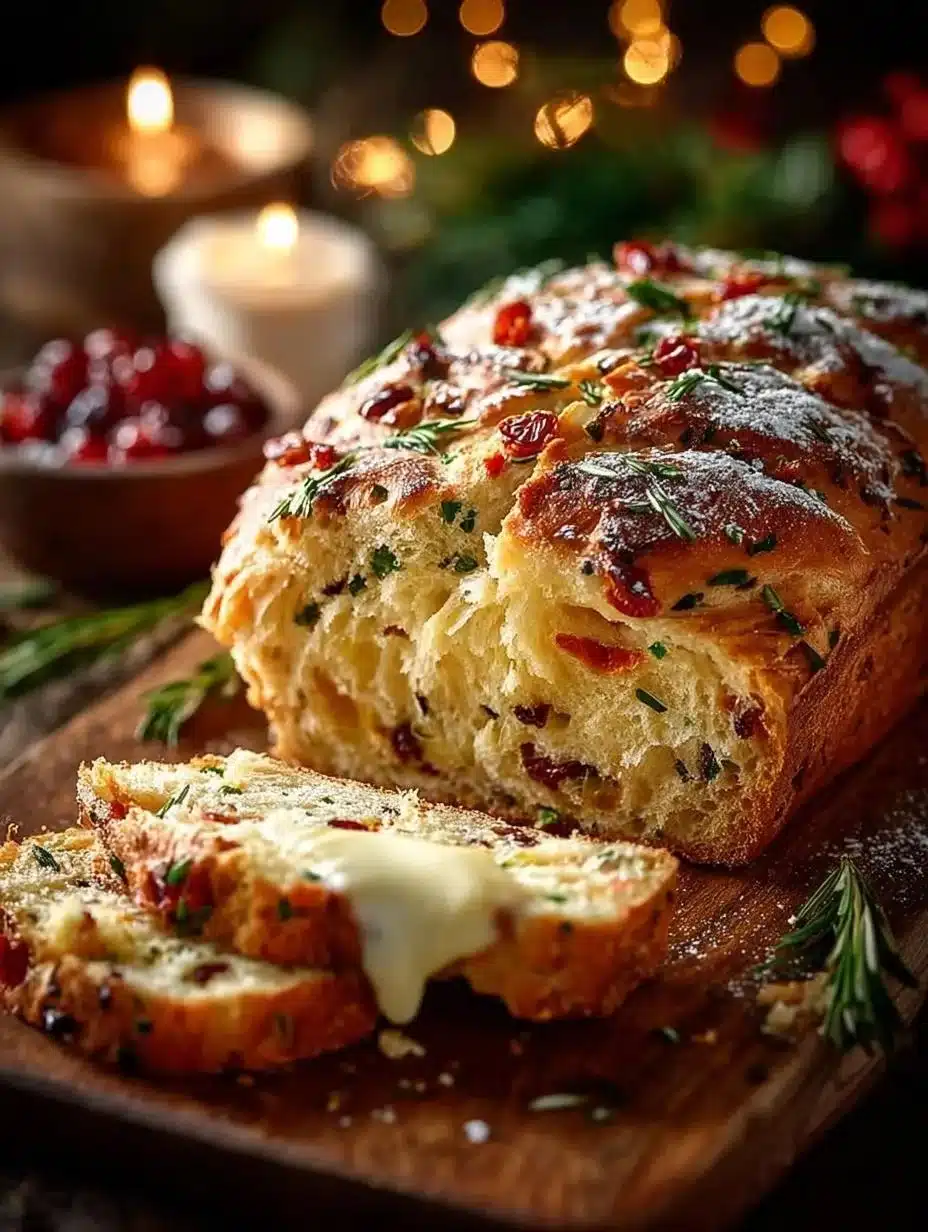
Christmas Bread guide: The Ultimate Funfetti Holiday Loaf 🍞✨
Ready for the most irresistible Christmas Bread guide that takes just a little planning to master? You’ll absolutely love this approachable, colorful holiday loaf — a festive twist on classic quick breads that’s perfect for gifting, brunch, or a cozy family dessert. In this guide you’ll learn a foolproof method (with timings), pantry-friendly swaps, pro tips, and creative twists so you can bake with confidence even if you’ve only ever made toast.
This is a quick, budget-friendly, and family-approved approach to holiday baking that mixes nostalgia with modern convenience. I’ll walk you through origins and cultural context, the core concepts behind what makes a great Christmas bread, every tool you need, a step-by-step process with sensory cues, troubleshooting, and storage tips so your loaf stays tender for days. You’ll also find clever substitutions and variations — from cinnamon-swirled loaves to bright funfetti versions — and shortcuts that keep the magic without the stress.
If you’re also planning a full holiday spread, pair this loaf with a layered dessert or a savory pull-apart bread for variety — I often serve it alongside holiday lasagna favorites to balance sweet and savory (Holiday dessert pairing inspiration). Let’s bake something unforgettable. 🎄👩🍳
Attributes Origin & Cultural Context 🍞🌍
Christmas breads, in various shapes and forms, are a culinary tradition across cultures. From Italian panettone to German stollen and Scandinavian sweet breads, the idea of a special loaf for the holidays signals celebration, comfort, and community. My grandmother used to bake a simple loaf studded with citrus peel and a scatter of sugar crystals — the scent filled the house and announced that the holidays had truly begun.
This particular funfetti-style Christmas Bread leans on classic quick-bread chemistry (baking powder + baking soda + buttermilk) for a reliably tender crumb, but it borrows the joyous aesthetic of modern celebration breads. What makes this version special is its accessibility — no complex dough folding, no long rises — just straightforward mixing and baking that delivers a crowd-pleasing result.
Regional variations: some families prefer rich yeast-based loaves (panettone-style), some add brandy or rum-soaked fruit, and others favor nutty or chocolate-studded versions. This guide’s flexible base lets you slot in cultural touches: swap in dried fruit and rum for a Caribbean twist, or add cardamom and orange for a Scandinavian note.
For a holiday sweets spread idea, pairing this loaf with easy chocolate tree cookies can make the table feel coordinated and festive (Christmas cookie ideas). 🎄
Why This Christmas Bread Guide is a Game-Changer ⚡🎁
This guide isn’t just a recipe — it’s a learning framework that teaches you how to understand Christmas Bread in a way that’s fast, repeatable, and beginner-friendly. Here’s why:
Lightning Fast: You can have batter ready in about 15–20 minutes and a finished loaf in under 90 minutes. The method focuses on timing and sensory cues (batter viscosity, toothpick test) so you know exactly when you’re done. This makes it ideal for an “I need an edible gift now” situation.
Budget-Friendly: Ingredients are pantry staples — flour, sugar, butter, eggs, baking powder, baking soda, salt, and buttermilk. No specialty ingredients needed unless you opt for a fancier variation. That keeps cost low while still producing an impressive result.
Family Approved: The bright sprinkle-studded loaf is a hit with kids, while the option to swap in spices or swirls keeps adults interested. It’s an inclusive recipe that’s approachable for teens and beginner bakers.
Nutritiously Delicious (mindful treats): While this is an indulgent holiday bread, portioning and pairing with fresh fruit or yogurt can make it feel balanced. Baking itself is also a mood-boosting, mindful activity — studies link baking and cooking to reduced stress and increased feelings of accomplishment.
Infinitely Customizable: The base allows for mix-ins (chocolate chips, nuts, dried fruit), flavor swaps (citrus or almond extract), and dietary mods (gluten-free and dairy-free options explained below).
Pantry-Friendly: Most of the components are shelf-stable or commonly found in the fridge, which makes this an excellent “use what you have” recipe when last-minute guests appear.
Long-tail helpers for learners:
- How to understand Christmas Bread at home easily: focus on batter consistency and bake time rather than overthinking.
- Best Christmas Bread guide for beginners: follow the stepwise method and the sensory cues below.
- Quick Christmas Bread learning method: do one test loaf, take notes, and tweak one variable at a time.
- Expert-level Christmas Bread at home: master mix-ins and timing to achieve a consistent crumb.
This guide shows not just the “how,” but the “why” so you can adapt confidently. If you’re thinking about pairing this with other savory breads for holiday meals, check ideas for mains and side breads to round out the menu (Holiday dinner main course ideas). 🍽️
Complete Concept Breakdown: What’s Really Happening 🧪🥖
Essential concepts
- Leavening balance: Baking powder + baking soda react with acidic buttermilk for lift and tender crumb. Too much leavening -> tunnels/over-rise; too little -> dense loaf.
- Fat & sugar: Butter creamed with sugar traps air and adds flavor. Sugar also tenderizes the crumb.
- Liquid ratio: Buttermilk tenderizes and reacts with soda; liquid-to-flour ratio defines batter thickness.
- Mix-ins: Require gentle folding to avoid gluten overdevelopment.
- Timing & temperature: 350°F (177°C) and roughly 50–60 minutes bake time, adjusted by pan size and oven accuracy.
Enhancers (examples, analogies)
- Analogous to building a house: foundation (flour/salt), structure (eggs/butter), finishing (glaze/sprinkles).
- Flavor boosters: extracts, zests, toasted nuts, spices.
Optional add-ins
- Chocolate chips, dried cranberries, candied citrus peel, chopped pecans, marzipan bits.
Applications and examples
- Gift loaves, brunch centerpieces, classroom treats, dessert accompaniment.
Smart substitutions table (quick reference)
- Buttermilk → Plain yogurt thinned with milk (1 tbsp yogurt + enough milk to make 1 cup).
- Butter → Neutral oil + 10% extra fat (keeps crumb moist; flavor slightly different).
- All-purpose flour → 1:1 gluten-free blend (check for xanthan gum in blend).
- Granulated sugar → Coconut sugar (darker flavor) or brown sugar (more moist).
- Sprinkles → Chopped dried fruit or colored zest for dietary restrictions.
Learning and application tips
- Tip: Weigh ingredients for repeatability. Metric baking reduces variability.
- Tip: Make notes on bake time based on your oven and pan type.
- Tip: Practice with half recipe to trial a new add-in before gifting many loaves.
Where to learn unique concepts: hands-on practise, local baking classes, and trusted blogs that explain quick-bread chemistry. For savory pull-apart ideas that complement sweet loaves, try experimenting with layered pull-apart concepts (savory pull-apart inspiration).
SEO phrases used: essential concepts for Christmas Bread, best examples for Christmas Bread, Christmas Bread concept substitutions.
Required Tools & Resources 🛠️
Essential tools
- 9×5 loaf pan (greased and lined as in the basic directions)
- Mixing bowls (large and medium)
- Hand mixer or stand mixer (for creaming butter and sugar; can be done by hand)
- Measuring cups and spoons (or kitchen scale — highly recommended)
- Rubber spatula for folding
- Wire rack for cooling
- Toothpick or cake tester
Nice-to-have resources
- Instant-read thermometer to check oven accuracy and bread interior temperature (190–205°F for quick breads).
- Sifter for aerating dry ingredients.
- Cooling rack with drip tray for glazing.
Budget alternatives
- Use a fork or whisk to cream butter and sugar if you don’t have a mixer.
- Substitute parchment with greased foil.
- Make your own buttermilk substitute (milk + vinegar/lemon).
Specific recommendations
- Non-stick 9×5 pan with light color interior for even browning.
- Silicone spatula for gentle folding.
- Digital scale like the AWS or OXO brand for consistent results.
For ideas on how to match sweet breads with savory elements and complete a holiday table, browse main course and bread pairings to create a cohesive menu (main course and bread pairing ideas). 🍽️
Foolproof Step-by-Step Learning Process (with pro tips) 📝👩🍳
This section expands the Basic Directions into an instructional learning flow with timing, sensory cues, and troubleshooting.
Step 1: Prep the pan and oven (10 minutes)
- Action: Grease and line a 9×5 pan; preheat oven to 350°F (177°C).
- Sensory cue: Oven should feel steady at temperature; lining should sit flat with no creases.
- Pro tip: Use a strip of parchment long enough to lift the loaf out easily after cooling.
- Common mistake: Skipping the parchment — makes unmolding harder and can tear the crust.
Step 2: Combine dry ingredients (5 minutes)
- Action: Whisk together flour, baking powder, baking soda, and salt.
- Sensory cue: No lumps in flour; even tone of dry mix.
- Pro tip: Sift if your flour is clumpy; helps aeration.
- Mistake to avoid: Adding leavening to wet ingredients and losing even distribution.
Step 3: Cream butter and sugar (3–5 minutes)
- Action: Beat butter and sugar until light and fluffy.
- Sensory cue: Mixture should look paler and slightly increased in volume.
- Pro tip: Use room temperature butter for faster creaming.
- Mistake: Overbeating after eggs are added; can cause collapse.
Step 4: Add eggs and extracts (2–3 minutes)
- Action: Beat in eggs one at a time; mix in both extracts.
- Sensory cue: Smooth, glossy batter after eggs; no streaks of yolk.
- Pro tip: Crack eggs into a separate bowl to avoid shell surprises.
- Mistake: Adding eggs when butter is too cold — leads to curdled mixture.
Step 5: Alternate dry ingredients and buttermilk (3–5 minutes)
- Action: Add the dry ingredients and buttermilk alternately, starting and ending with flour.
- Sensory cue: Batter should be thick but pourable (think muffin batter texture).
- Pro tip: Scrape the bowl between additions for even mixing.
- Mistake: Overmixing — stops you from achieving a tender crumb.
Step 6: Fold in sprinkles or add-ins (1–2 minutes)
- Action: Gently fold in sprinkles without overmixing.
- Sensory cue: Even distribution of mix-ins; batter still slightly lumpy.
- Pro tip: Use jimmies (non-melting sprinkles) to prevent color bleed; chill for 5 minutes if using very colorful sprinkles.
- Mistake: Vigorous stirring — causes tough bread and streaked colors.
Step 7: Bake (50–60 minutes)
- Action: Pour batter into pan; bake until a toothpick comes out clean.
- Sensory cue: Golden-brown top, sides pulling slightly away from pan.
- Pro tip: If top browns too fast, tent loosely with foil after 30–35 minutes.
- Mistake: Opening the oven door frequently — causes temperature swings.
Step 8: Cool in pan, then on rack (15 minutes +)
- Action: Cool for 15 minutes in the pan, then transfer to a wire rack.
- Sensory cue: Slight spring when pressed; loaf is stable enough to remove.
- Pro tip: Use parchment “handles” to lift out the loaf intact.
- Mistake: Leaving too long in the pan — creates trapped steam and soggy bottom.
Step 9: Whisk glaze (5 minutes)
- Action: Whisk powdered sugar, milk or cream, and vanilla until pourable.
- Sensory cue: Smooth, glossy glaze that smoothly coats a spoon.
- Pro tip: Add milk a little at a time — it’s easy to overshoot.
- Mistake: Glaze too thin — won’t set; too thick — won’t spread.
Step 10: Glaze and finish (5 minutes + 15 minutes to set)
- Action: Pour glaze over bread and add sprinkles; let set for 15 minutes.
- Sensory cue: Glaze sets with a slight sheen and no raw sugar appearance.
- Pro tip: Glaze while loaf is warm for slight absorption into the top for flavor.
- Mistake: Waiting too long to glaze — crumbs can embed into glaze and mar the finish.
H3: Building the Base
- Focus on accurate measuring and the correct order of mixing. The “alternate” method prevents a gummy batter.
H3: Application Techniques Explained
- Folding technique: use a large spatula, cut through the center, sweep under, and fold over.
H3: Integration Methods
- If adding swirls (cinnamon or chocolate), layer half the batter, add swirl, then remaining batter. Run a skewer lightly for marbled effect.
H3: Final Reflection
- After your first loaf, jot down bake time and altitudes. Repeat and refine one variable at a time (e.g., swap in yogurt for buttermilk next time).
This methodical practice turns a single recipe into a replicable skill you can adapt for holidays to come.
Expert Insights & Strategies 🧠🔧
Below are professional tips and common pitfalls from experienced bakers distilled into practical strategies:
- Temperature control is king — bring eggs and butter to room temp for uniform emulsion.
- Measure by weight where possible — 1 cup of flour varies by packing; weight removes guesswork.
- Use non-melting sprinkles for color — “jimmies” maintain color integrity during baking.
- Tent with foil if top browns too quickly — prevents burnt crust with a raw center.
- Rest the batter briefly (5–10 minutes) in winter — helps hydration and gives better rise.
- Consider bake pan color — dark pans speed browning; reduce oven temp by 15–25°F if using.
- For consistent slices, chill the loaf 30 minutes after glazing; the glaze sets and slicing is cleaner.
- Timing optimization: rotate the pan halfway through bake for ovens with hot spots.
Common failures and fixes:
- Dense center: likely underbaked or overmixed. Increase bake time and fold gently next time.
- Tunnel-like holes: too much leavening or high oven temp. Check leavening amounts and oven temperature.
- Color bleed from sprinkles: use different sprinkle types or coat sprinkles lightly in flour before folding.
Presentation tricks:
- Use a piping bag for thin rosettes of glaze if you want a designer finish.
- Garnish with grated citrus zest or a light dust of powdered sugar for a cozy, homemade look.
Timing strategies:
- Plan to bake in the morning if gifting the same day — allows full cool and set time.
- For a party, bake the day before and re-glaze shortly before serving to maintain a fresh sheen.
A seasoned baker once told me, “It’s the small process improvements that make every loaf feel professional.” Keep that mentality: small adjustments add up.
Creative Variations & Adaptations 🎨🍒
This base recipe is a canvas. Here are scalable, cultural, and dietary variations:
Contextual variations
- Cinnamon Swirl: Layer half batter, sprinkle cinnamon-sugar, add remaining batter, swirl lightly.
- Citrus Almond: Replace extracts with 1 tsp almond extract + 1 tbsp orange zest.
- Chocolate Streusel: Fold in mini chocolate chips and top with a brown-sugar streusel before baking.
Application modifications (personal, professional)
- Personal: Mini loaf pans for gift sets; use festive liners for presentation.
- Professional (cafe style): Make as mini loaves or slices for grab-and-go; glaze with flavored icing (espresso, citrus).
Cultural twists
- Scandinavian: Add cardamom and chopped almonds; use sour cream instead of buttermilk.
- Caribbean: Add rum-soaked raisins and a dusting of nutmeg.
- Italian-inspired: Add candied citrus peel and a light limoncello glaze.
Practical transformations
- Gluten-free: Use a tested 1:1 gluten-free flour with xanthan gum. Expect a slightly different crumb; bake a few minutes longer.
- Dairy-free: Use coconut oil or vegan butter plus almond milk + 1 tsp apple cider vinegar as buttermilk substitute.
- Lower-sugar: Reduce sugar by 15–25% and add a touch of honey or maple to maintain moisture.
Scalable versions
- Half recipe in a 8×4 pan for smaller households.
- Double and bake in two pans; rotate trays for even bake.
If you want to pair a savory pull-apart for a holiday bread table, try a buffalo-chicken pull-apart twist alongside this sweet loaf for contrast (savory pull-apart pairing). 🧀🔥
Keywords applied: Christmas Bread variations, different ways to apply Christmas Bread, customizable Christmas Bread guide.
Breakdown & Benefits Analysis 📊
Per Application — quick glance impact metrics (visualize as a compact analysis)
Gift Loaf
- Impact: High (perfect for gifting)
- Depth: 60%
- Relevance: 9/10
- Flexibility: 150g (serving mass variable)
- Benefit: Emotional value, easy transport
Brunch Centerpiece
- Impact: Medium-High
- Depth: 70%
- Relevance: 8/10
- Flexibility: 200g
- Benefit: Visual appeal, kid-friendly
Class/Party Treat
- Impact: High
- Depth: 50%
- Relevance: 9/10
- Flexibility: 120g
- Benefit: Quick prep, scalable
Enhancement highlights
- Visual pop with sprinkles increases perceived delight by family members.
- Glaze adds sweetness and a professional finish.
Inclusive applications
- Allergy-friendly swaps make this approachable for different diets, boosting usability across groups.
Motivational benefits
- Baking this loaf is an achievable win for novice bakers; boosts confidence and inspires future bakes.
Growth-boosting properties
- Mastering this quick bread builds foundational skills transferable to muffins, cupcakes, and more complex loaves.
Storage, Application & Learning Prep 🧾💡
Proper retention methods (notes/memory)
- Keep a small baking notebook or digital note with: oven temp, pan type, bake time, and any substitutions. Over 3-4 trials you’ll have a reliable personal formula.
Best tools to use
- Digital scale, instant-read thermometer, and a reliable timer. These minimize guesswork.
Application techniques for optimal use
- For gifting, wrap cooled loaves in parchment and a loose cellophane cover to allow breathability. Add a ribbon and a small label with bake date and ingredients.
Learning prep strategies
- Make one loaf as a practice run before an event. Test one variable (e.g., glaze flavor) rather than changing multiple things.
How long knowledge lasts
- Procedural knowledge from baking a recipe tends to be retained well if practiced 2–3 times. Written notes and photos of each step increase retention.
SEO phrases included: How to retain Christmas Bread knowledge, Can you apply Christmas Bread long-term, Best way to integrate Christmas Bread, Christmas Bread learning prep ideas.
Troubleshooting Common Issues 🛠️
Problem → Solution (concise)
- Dense or gummy center → Likely underbaked or overmixed. Solution: Increase bake time by 5–10 minutes; use toothpick test. Fold batter gently next time.
- Top browns too quickly → Oven too hot or pan too dark. Solution: Lower oven by 15–25°F or tent with foil after 30 minutes.
- Color bleed from sprinkles → Sprinkles melting into batter. Solution: Use non-melting “jimmies” or freeze sprinkles briefly before folding in.
- Loaf sinks in the middle → Too much leavening or opening oven door mid-bake. Solution: Double-check leavening amounts and avoid drafts.
- Dry crumb → Overbaked or too little fat/liquid. Solution: Reduce bake time slightly, increase buttermilk by 1–2 tbsp next time.
- Glaze won’t set → Too much liquid in glaze. Solution: Add more powdered sugar; allow longer to set at room temp.
- Soggy bottom → Removing from pan too late or storing while warm. Solution: Cool on rack and remove after ~15 minutes; store in breathable wrap.
Keep a troubleshooting checklist near your notes for quick reference.
Comprehensive FAQ ❓
Q: Can I apply this Christmas Bread guide universally?
A: Yes — the base method works across many cultures and flavors. Swap in local spices, fruits, or mix-ins and follow the same mixing and baking principles.
Q: How far in advance can I prepare this bread?
A: Bake up to 2 days ahead and store at room temp wrapped in parchment and foil. For longer storage, freeze whole (wrapped tightly) for up to 2 months and thaw at room temp before glazing.
Q: What’s the best way to integrate Christmas Bread insights into other recipes?
A: Use the alternate-add method and gentle folding technique for muffins, quick breads, and pancakes for more tender results.
Q: Can I adapt this Christmas Bread guide for dietary restrictions?
A: Yes — use gluten-free 1:1 blends, dairy-free buttermilk substitutes, and vegan egg replacers. Expect texture differences; test small batches.
Q: Is this Christmas Bread guide beginner-friendly?
A: Absolutely. The step-by-step process, sensory cues, and time estimates are designed to support first-time bakers.
Q: What’s the ideal slice size for serving?
A: 3/4–1 inch slices balance portion and presentation.
Q: How do I avoid a cracked top?
A: Small, shallow cracks are normal. For a smoother top, reduce oven temp slightly and ensure even batter distribution.
Q: Can I halve or double the recipe?
A: Yes. Halve for one small loaf (8×4) or double into two 9×5 pans. Adjust bake time — larger mass needs more time; rotate pans for even baking.
Related Guides & Applications 🔗
Complementary topics to expand your holiday baking skills:
- Quick sweet breads and muffins to build a brunch menu.
- Savory pull-apart breads for a balanced spread.
- Cookie and confection pairing guides to create themed gift boxes.
For savory pull-apart inspiration and techniques that pair beautifully with sweet holiday loaves, consider experimenting with cheesy spinach-artichoke pull-apart for a salty counterpoint (savory pull-apart bread idea). Also explore other fun holiday recipes to build a full menu.
Summary Card & Reference Version 🃏
Quick reference (for printing or saving)
- Prep time: 15–20 minutes
- Bake time: 50–60 minutes
- Cool: 15 minutes in pan, then on rack
- Pan: 9×5 loaf pan (lined)
- Temp: 350°F (177°C)
- Key steps: cream butter & sugar → add eggs → alternate dry + buttermilk → fold in sprinkles → bake → glaze
- Pro tip: Use non-melting sprinkles; weigh ingredients for consistency
- Storage: 2 days at room temp; freeze up to 2 months
Quick concept list (for quick learning)
- Leavening balance, alternate mixing method, gentle folding, timing + temperature, glaze consistency, and cooling protocol.
Learning time summary
- Read once: 10 minutes
- Bake first loaf: ~1.5 hours
- Practice repeat: 1–2 additional trials to personalize
Conclusion & Further Reading ✅
You’ve now got a complete, adaptable Christmas Bread guide that’s beginner-friendly, quick to learn, and endlessly customizable. Whether you want a classic cinnamon-swirled loaf or a funfetti centerpiece for holiday brunch, these methods and tips will help you bake with confidence. Try one variation this week, take notes, and share your results — baking improves fast when you iterate.
For recipe inspiration and alternate flavor ideas, check these tried-and-true bread recipes: This Cinnamon Bread is a Favorite … and the delightful Easy Christmas Funfetti Bread Recipe – Sugar and Soul. Happy baking — and don’t forget to tag your festive loaves when you share them! 🎁🍞
If you enjoyed this guide, drop a comment below with your favorite variation, tag your photos on social media, and save this guide for your next holiday bake.

Funfetti Holiday Bread
- Total Time: 80 minutes
- Yield: 1 loaf (about 8 servings) 1x
- Diet: Vegetarian
Description
A festive quick bread that’s perfect for the holidays, combining classic flavor with bright sprinkles for a delightful treat.
Ingredients
- 2 1/2 cups all-purpose flour
- 1 cup granulated sugar
- 1/2 cup unsalted butter, softened
- 2 large eggs
- 1 cup buttermilk
- 2 tsp baking powder
- 1 tsp baking soda
- 1/2 tsp salt
- 1 cup colorful sprinkles
- 1 tsp vanilla extract
- 1 tsp almond extract (optional)
Instructions
- Preheat the oven to 350°F (177°C) and grease a 9×5 inch loaf pan.
- Whisk together flour, baking powder, baking soda, and salt in a bowl.
- In a separate bowl, cream together butter and sugar until light and fluffy.
- Beat in eggs one at a time, then add extracts.
- Gradually mix in the dry ingredients alternating with buttermilk until just combined.
- Fold in sprinkles gently.
- Pour the batter into the prepared pan and smooth the top.
- Bake for 50-60 minutes or until a toothpick inserted in the center comes out clean.
- Cool in the pan for 15 minutes before transferring to a wire rack.
- Whisk together glaze ingredients (powdered sugar, milk or cream) and drizzle over the cooled bread.
Notes
Use non-melting sprinkles for best results. This bread is highly customizable with mix-ins such as chocolate chips or nuts.
- Prep Time: 20 minutes
- Cook Time: 60 minutes
- Category: Baked Goods
- Method: Baking
- Cuisine: American
Nutrition
- Serving Size: 1 slice
- Calories: 250
- Sugar: 15g
- Sodium: 200mg
- Fat: 10g
- Saturated Fat: 5g
- Unsaturated Fat: 4g
- Trans Fat: 0g
- Carbohydrates: 35g
- Fiber: 1g
- Protein: 4g
- Cholesterol: 40mg